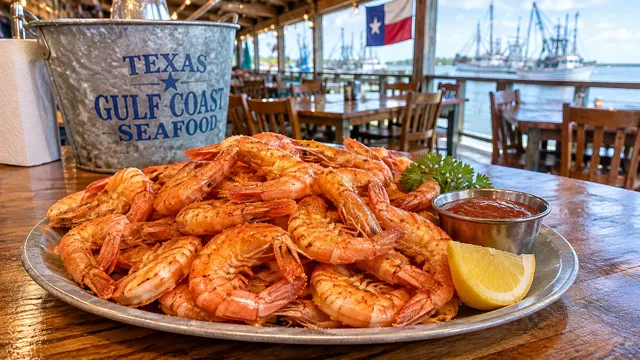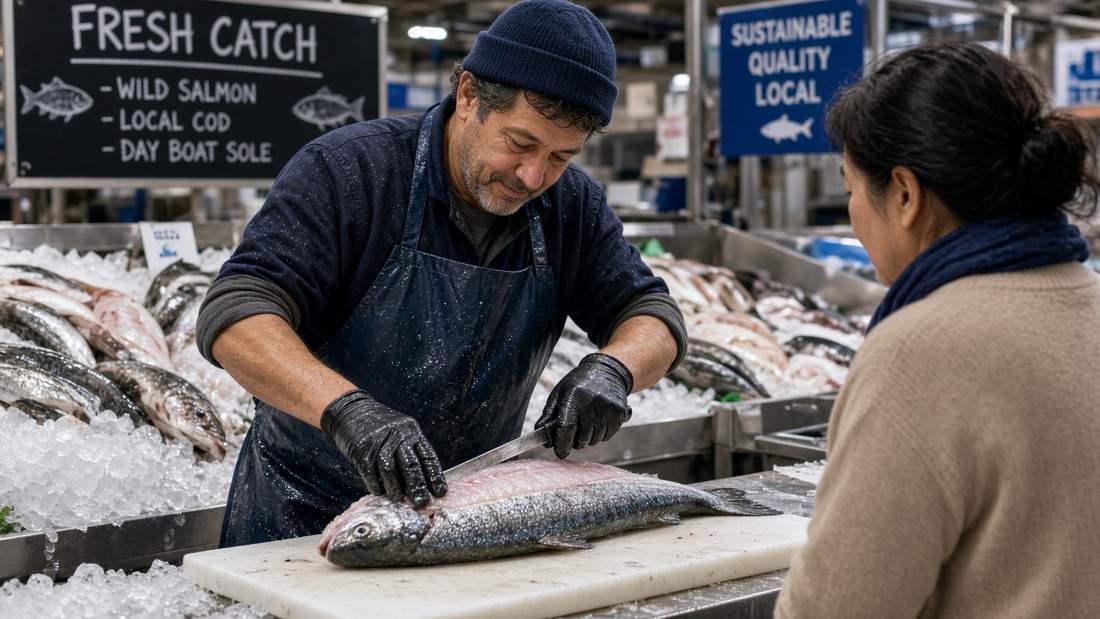
Seafood in Georgia is a short-coast story with a loyal following: wild white shrimp from the Sea Islands, blue crab from the tidal creeks and a growing interest in local oysters. The state's coastline is modest, but shrimp boats working out of Darien, Brunswick and Savannah-area docks supply fish houses and home cooks well beyond the marsh.
Finding good seafood
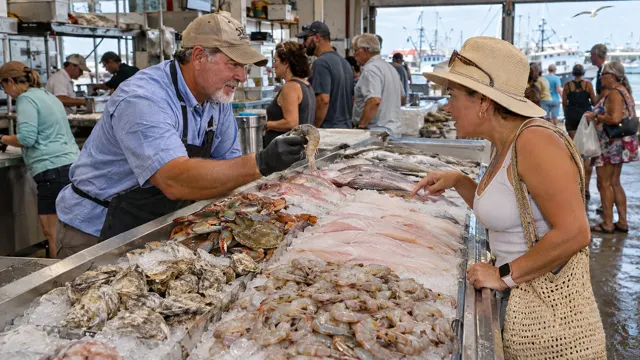
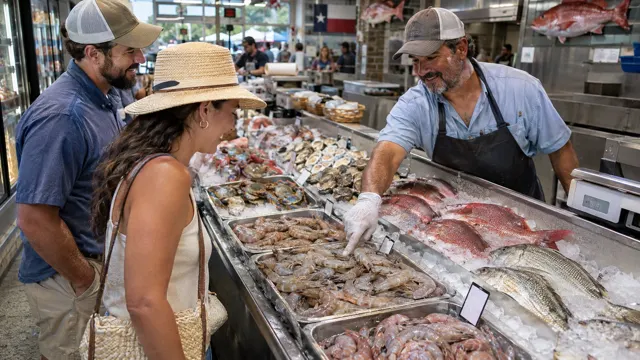
The simplest way to buy is at a working dock. Darien and the McIntosh County waterfront, Thunderbolt near Savannah and Brunswick all have boats that sell shrimp off the deck or through small dockside shops, usually heads-on and graded by size. Supermarkets in Atlanta carry Georgia shrimp when it is in season, but check the label, because imported farmed shrimp is common. Restaurants and caterers buy from dealers who hold wholesale licenses; households can usually buy retail from the same docks.
Local catch and seasons
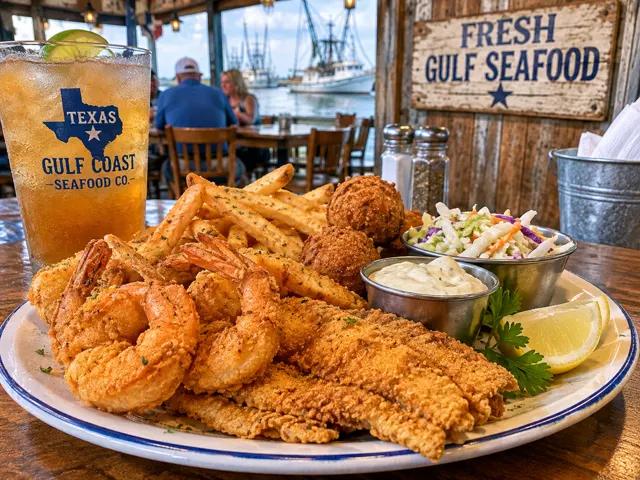
Wild shrimp is the headline. White shrimp are most plentiful from late summer into fall, while brown shrimp turn up earlier in the year, and size and sweetness both change with the weather. Blue crab fills in alongside, often sold live or as picked meat, and flounder, whiting and sea trout round out local menus. Oysters grow in tidal clusters along the marsh and are increasingly farmed for the half shell.
Reading the Georgia shrimp label
Ask whether shrimp are wild Georgia, wild Gulf or imported farmed, and whether they were frozen at sea or on land. Heads-on shrimp spoil faster, so buy them cold and cook within a day, or freeze promptly. Shrimp that smell of ammonia or feel mushy should be passed over. Look for a firm shell, translucent flesh and a faint sea smell.
Buying smart: questions worth asking
- Ask the dock when the shrimp were landed; one or two days is ideal for fresh.
- Buy blue crab live or as pasteurized meat from a seller who can name the source.
- Freeze shrimp in water in a sealed bag to limit freezer burn.
Food safety and licensing for shoppers
Georgia's coastal resources division manages marine fisheries and oyster harvest areas, and the public health agency covers shellfish sanitation and retail food inspection. Harvest areas can close after storms or heavy rain, so recreational shellfish gatherers should check notices before eating anything they pick up. Vendors who sell to the public need the appropriate state licenses.
Useful background before you shop: how traps affect crab quality, shrimp handling and buying direct from the boat.
Shopper resources: markets, sellers and trade groups
- Georgia Shrimp Association
- Georgia Grown (state buy-local program)
- Local Catch Network (community supported fisheries)
- Wild American Shrimp