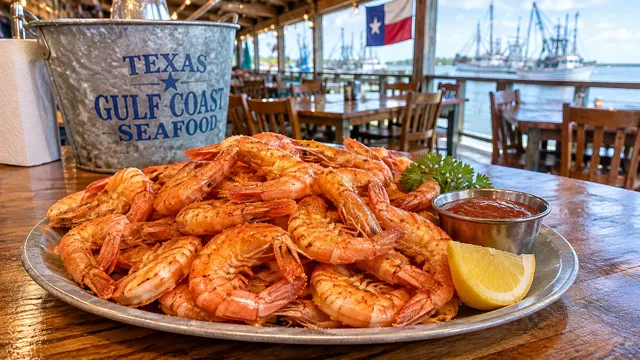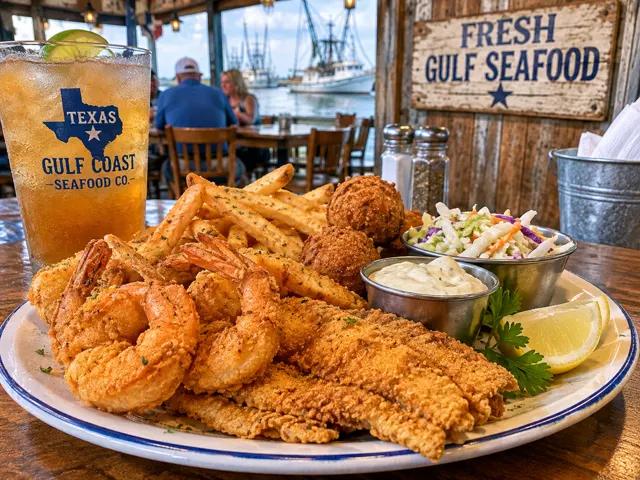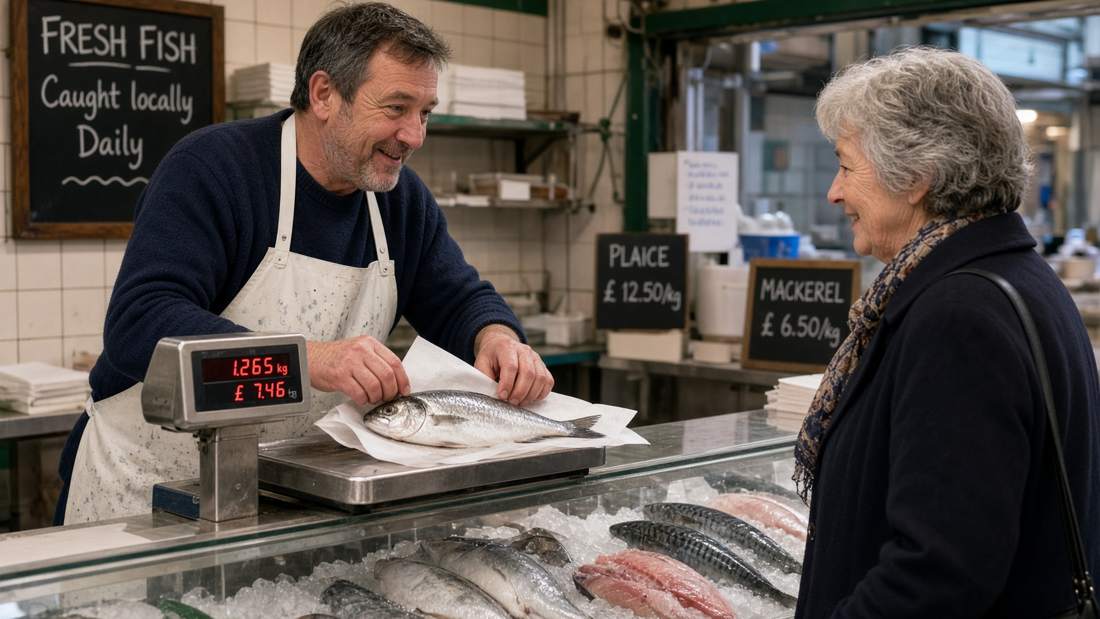
Seafood in Guam is part of Chamorro food culture, from kelaguen at fiestas to grilled reef fish at beach barbecues. Small-boat fishers work the reefs and open water around the island for tuna, mahi-mahi and other species.
What the island is known for
Reef fish, skipjack and yellowfin tuna, mahi-mahi and wahoo are common catches, and rabbitfish are a local favorite. Octopus, lobster and other shellfish are also eaten, though some species are protected by season, size or location. Fiestas and village events feature fresh and prepared seafood and are a good way to taste local cooking.
Where shoppers buy
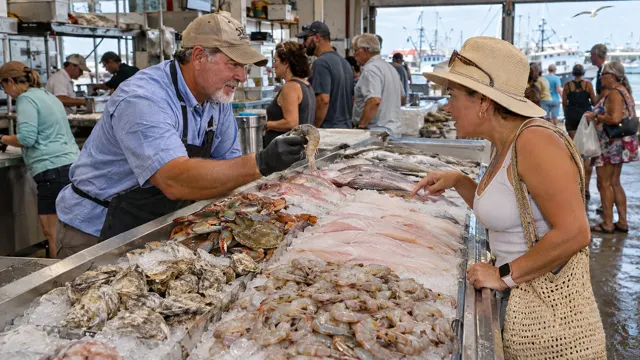
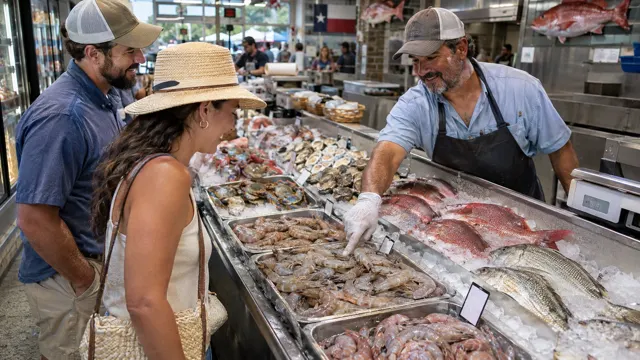
Fish is sold at roadside stands, at docks and through fishermen's cooperatives, including the cooperative at the Hagatna boat basin. Supermarkets in the Tamuning, Dededo and Hagatna areas carry both local and imported seafood. Stock depends on the weather and on recent boat trips, so ask what came in today. The Guam Visitors Bureau is a useful starting point for events and food festivals.
Kelaguen and raw fish
Kelaguen is fish or another protein cured in lemon juice with coconut and hot pepper. Because it is lightly treated, use very fresh fish from a seller you trust and keep it cold. Ask when the fish was caught.
How to buy local and buy safe
- Ask when and where the fish was caught.
- Be cautious with large predatory reef fish unless the seller can vouch for them; ciguatera occurs in tropical reef regions.
- Keep fish on ice on the trip home and refrigerate or cook the same day.
For more detail see closed seasons and marine protected areas, recognizing fish freshness and handling raw fish safely.
Fish advisories and fishing rules
For general advice on which fish to eat and how often, read the FDA advice about eating fish. For local notices, check the Guam Environmental Protection Agency and the Department of Public Health and Social Services. Local fishing rules, marine preserves and seasons are handled by the Division of Aquatic and Wildlife Resources within Guam's Department of Agriculture; check the current rules with the agency before fishing or gathering, since preserve boundaries and limits can change. The Government of Guam portal can point you to the right office.
Seasonal and money-saving tips
Fish prices on an island follow the weather: rough seas mean fewer boats and higher prices, while calm periods bring more supply. Buying whole fish from a fisher is usually cheaper per pound than buying fillets, and many sellers will clean it for you. Fiestas and village events are a good way to try local dishes without cooking, but keep prepared seafood chilled and eat it within a couple of hours if it has been sitting out. If you visit, ask your hotel or host which markets locals use, and pack an insulated bag for fish you want to bring back to a rental kitchen. Always check current rules before gathering anything from the reef yourself.