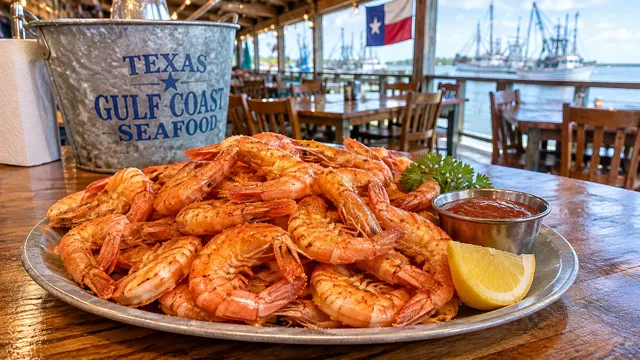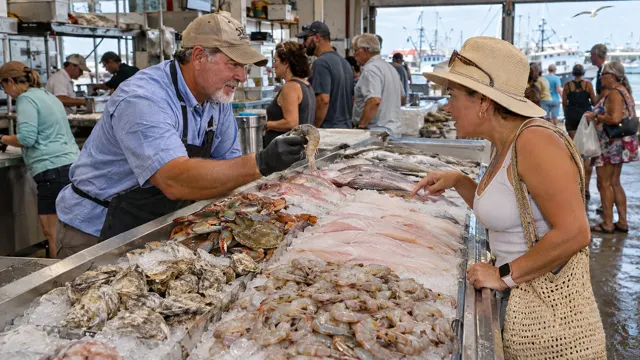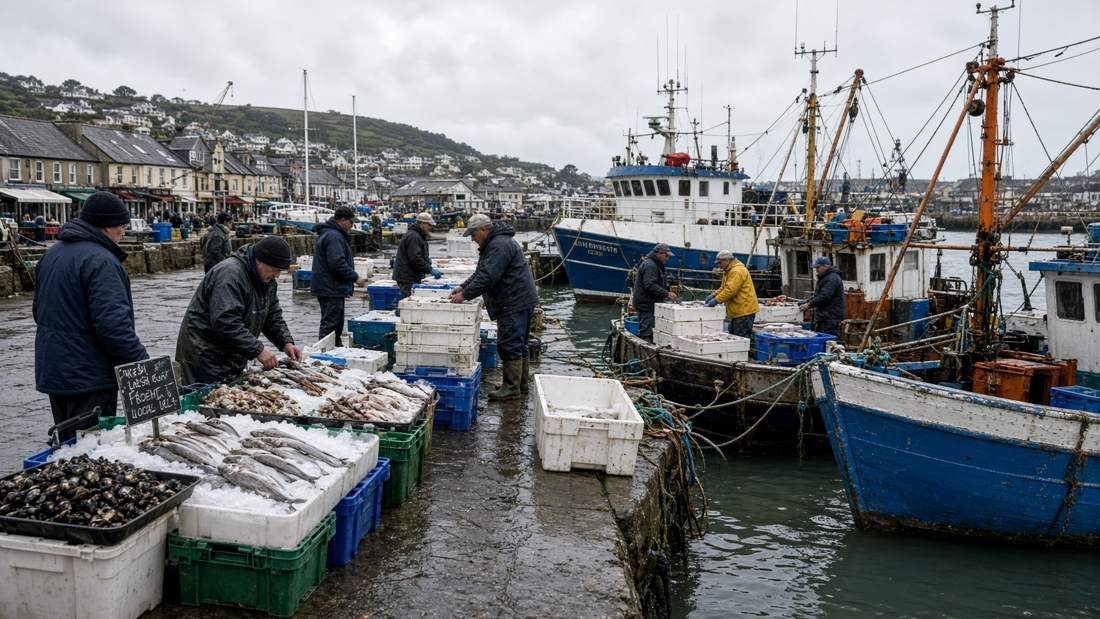
Seafood in Delaware is shaped by two bodies of water: the Delaware Bay on the western edge and the Atlantic shore along the Inland Bays and the coastal beaches. In a state this small, boats, docks and markets are close together, and summer visitors help sustain a strong seasonal demand.
Finding good seafood
Summer crabs are the draw, sold steamed by the dozen at beach-area markets and seafood shops around Lewes, Rehoboth and Bowers Beach. Delaware shoppers also cross into Maryland for Chesapeake blue crab and oysters. Local farmers markets and roadside stands sometimes carry fresh catch, and wholesale buyers deal with licensed dealers on the Delaware Bay.
Local catch and seasons
Blue crab is the iconic local catch, steamed with seasoning and eaten at tables covered in paper from Lewes to Bowers Beach. The Delaware Bay is also home to oyster beds that have seen restoration work, and the bay is famous among ecologists for its horseshoe crabs, which are managed carefully because shorebirds depend on their eggs. Fishermen target summer flounder, striped bass, weakfish and other species, with seasons and size limits set to coordinate with neighboring states. Inland Bays clams and oysters add small-scale aquaculture.
Dock stops and seasonal rhythms
Lewes, Bowers Beach and Indian River Inlet have a mix of commercial docks, charter boats and seafood markets. Crab availability follows the warm months, with strongest supply in summer and early fall. Many Delaware shoppers also buy from neighboring Maryland markets, so the mid-Atlantic is better thought of as a single regional supply area.
Buying smart: questions worth asking
- Buy crabs that are lively and feel heavy for their size.
- Keep live crabs in a ventilated container with a damp cloth, not on direct ice.
- Ask about size limits when buying from recreational anglers or private sellers.
Food safety and licensing for shoppers
The state environmental and natural resources department manages marine fisheries and shellfish, and state public health officials oversee shellfish sanitation and retail food safety. Harvest areas can be closed after heavy rainfall, and the agency posts those notices. Anyone selling seafood needs the appropriate licenses, and crabs sold live must be kept cool and damp, not submerged in fresh water.
If you want to go deeper, try live lobster and crab care, shellfish storage and cracking crab.
Shopper resources: markets, sellers and trade groups
- Maryland's Best (watermen and farmers selling to consumers)
- Chesapeake Bay Program
- USDA farmers market directory