Seafood in Colorado is defined by distance and altitude. The state has no coast, so ocean fish and shellfish arrive by truck and air freight, while its own contribution to the table comes from cold-water trout and a thriving recreational fishing scene in rivers and reservoirs.
Where shoppers find it
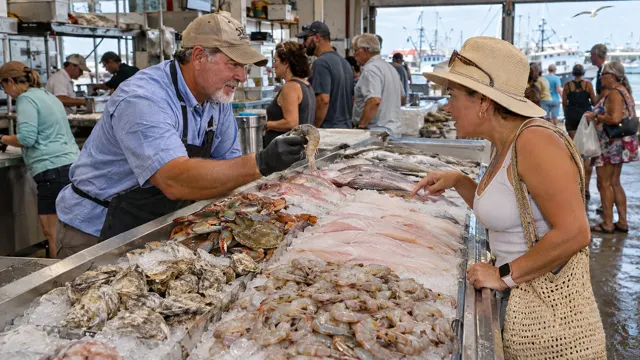
Denver, Boulder and Fort Collins have good independent fish markets and grocers with fish counters, but nothing comes off a dock nearby, so look at turnover and handling. Ask which day deliveries arrive, and plan to buy then. Colorado rainbow trout is the only widely sold local fish; it appears in supermarkets and at restaurants. Shipped community fishery boxes and frozen packs give good quality without the long drive.
What to look for through the year
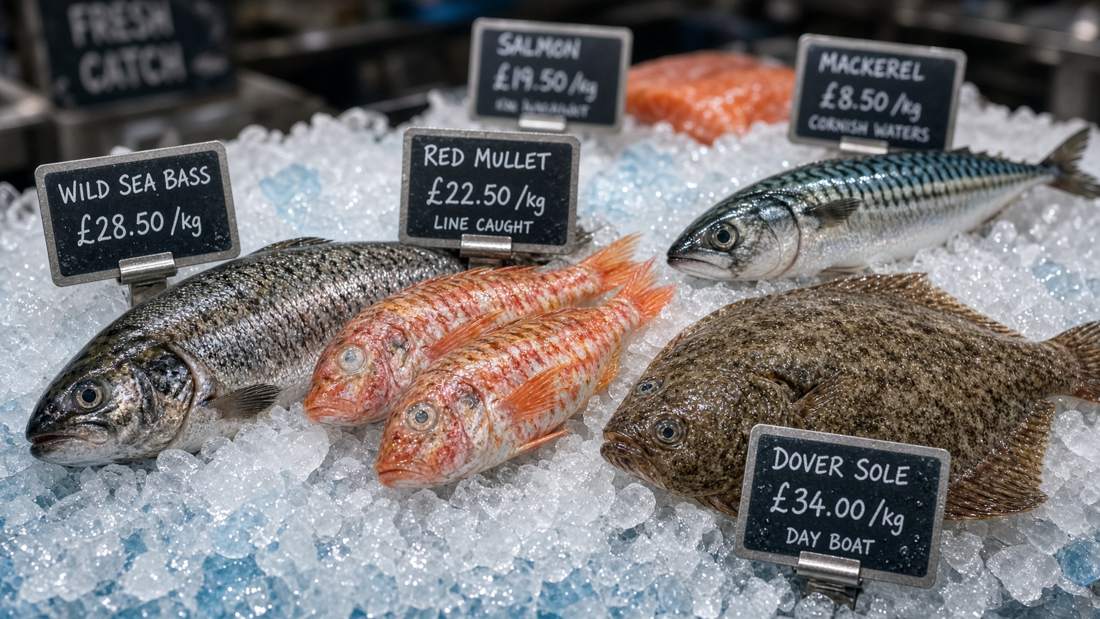
Rainbow trout is the best-known homegrown fish, raised in cold spring-fed facilities, especially in the San Luis Valley and along mountain valleys, and many Colorado restaurants feature trout among their menu staples. Anglers pursue trout in tailwaters and high lakes, and the state wildlife agency runs hatcheries that stock waters. Beyond trout, the seafood counters in Denver, Boulder, Colorado Springs and resort towns buy from national distributors, so what is on display reflects broader supply chains from Alaska, the Pacific, the Gulf and the Atlantic.
Why high elevation matters
At altitude, cooking times for poached and steamed fish may need small adjustments because water boils at a lower temperature, though quick pan and oven methods are barely affected. Food safety matters more over long supply lines, so shoppers should look for firm flesh, clean smell and bright eyes in whole fish, and well-sealed frozen packages without ice crystals. The dry climate can dehydrate unwrapped fish quickly in the refrigerator, so wrap tightly and use within a day or two of buying fresh.
At the counter: checks and questions
- For trout, look for clear eyes and a firm belly if buying whole.
- Store fresh fish on ice in the coldest part of the fridge and cook within two days.
- Check state advisories before eating fish you catch from high-country lakes.
Health and legal basics
Retail seafood counters are inspected under state and local health rules. Anyone selling fish, including trout from private ponds, should confirm requirements for processing and labeling before sale, because rules for aquaculture products differ from wild-caught fish. Fishing requires a state license, and the wildlife agency sets bag limits and identifies waters where fish consumption advisories apply.
Related reading on this site includes trout farming in raceways, the cold chain and mercury in seafood.