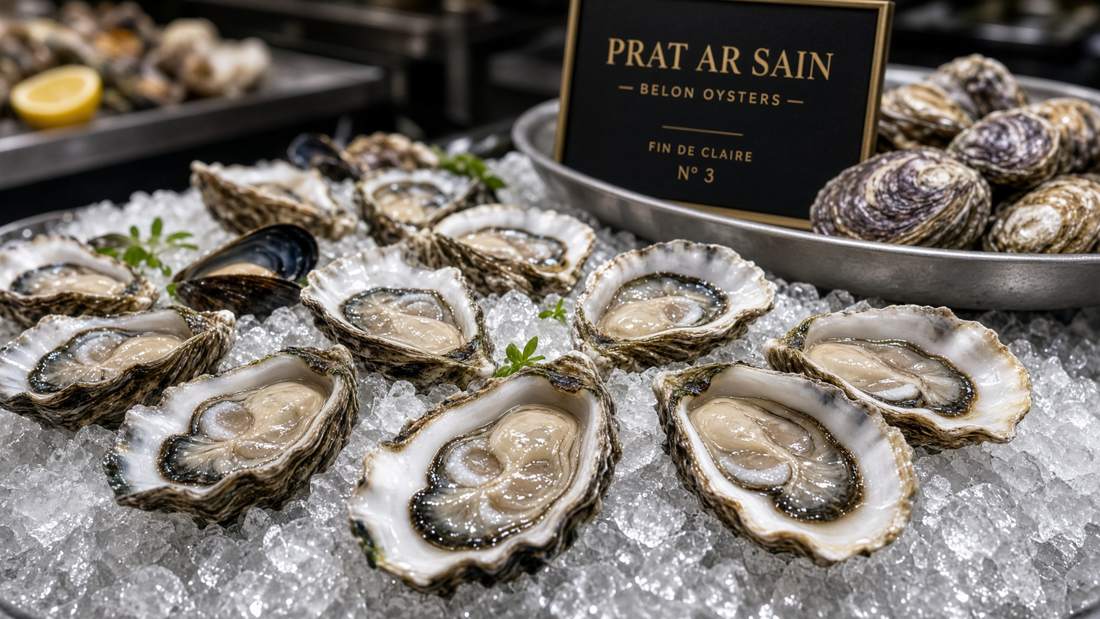
Seafood in Arizona arrives by road and air, because the state sits hundreds of miles from the nearest open ocean and has no marine commercial fishery of its own. That distance shapes how shoppers should think about quality: the questions that matter most are how the product was chilled, how long it traveled and who handled it.
Where shoppers find it
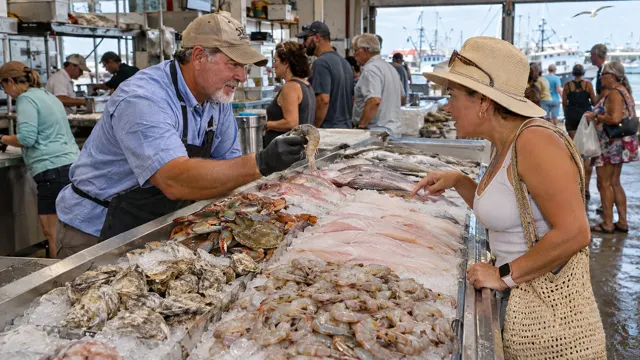
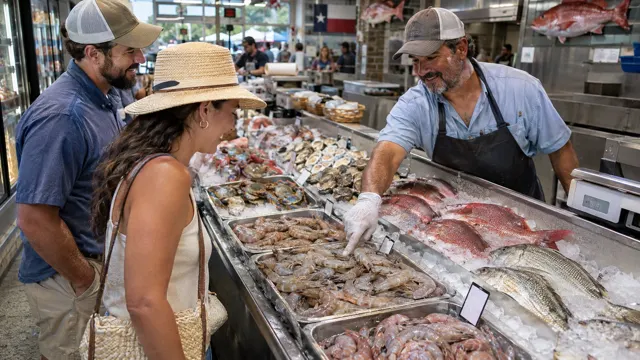
There is no local fishery to visit, so shop where turnover is high: Latin and Asian grocery stores, independent fish markets in Phoenix, Tucson and Scottsdale, and supermarket counters with a clear sell-by date. Many shoppers get better results from frozen fillets and shrimp than from fresh counters, and mail-order or community supported fishery boxes shipped overnight can beat the local fresh case. Restaurants buy through regional distributors; households rarely can.
What to look for through the year
Most fresh fish in Phoenix, Tucson and Flagstaff comes through wholesale distributors that receive shipments from Pacific ports, Gulf and Atlantic suppliers and overseas importers. Because of the border region's food culture, shrimp and fish from the Gulf of California are well loved in Sonoran-style cooking, and ceviche, aguachile and fish tacos are everyday restaurant staples. The state's own freshwater fishing is mostly recreational, centered on reservoirs and cold streams, with trout stocked in higher-elevation waters.
Reading the label in a desert market
With long supply lines, frozen seafood is often the better buy. Fish that was frozen shortly after harvest and thawed in your own refrigerator can be fresher than a fillet labeled fresh that spent several days in transit. Country-of-origin labeling applies to most fish and shellfish at retail, so look for both the origin and whether the product is wild or farm-raised. High summer temperatures also make the trip home from the store a real risk, so a cooler bag with ice is worth bringing.
At the counter: checks and questions
- Buy frozen fillets when you cannot get a clear answer about the fresh product's age.
- Carry an insulated bag in summer and go straight home from the market.
- Ask whether shrimp are wild Gulf of California, Gulf of Mexico or farmed imports.
Health and legal basics
Retail fish counters, restaurants and food trucks are regulated through county health departments and the state health agency, and sellers who handle raw fish must follow standard time and temperature rules. Anyone wanting to sell live or fresh seafood from a home or vehicle should check current requirements with the county environmental health office before opening. Anglers need a state fishing license, and the state fish and game department sets rules on species such as non-native fish.
Useful background before you shop: the cold chain from boat to plate, thawing seafood safely and country-of-origin labeling.
Shopper resources: markets, sellers and trade groups
- Local Catch Network (community supported fisheries)
- USDA farmers market directory
- Wild Alaskan Company (shipped frozen wild seafood)
- Seafood Nutrition Partnership