Seafood in Alaska operates on a scale unlike any other state, with more coastline than the rest of the country combined and a commercial catch that accounts for a large share of all wild seafood landed in the United States. Cold, nutrient-rich water from the Gulf of Alaska, the Bering Sea and the Arctic fringe supports fisheries that supply restaurants and supermarkets worldwide.
Finding good seafood
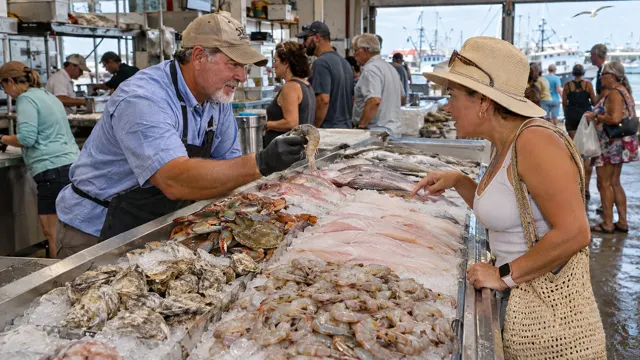
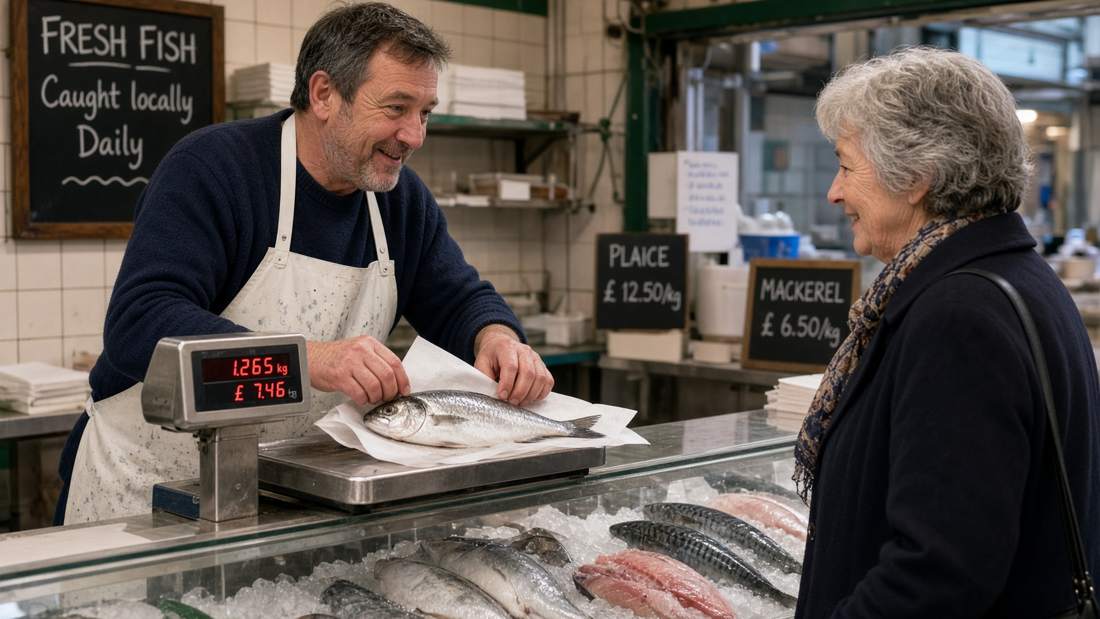
The best way to buy Alaska seafood outside the state is often a direct-from-fishermen program: community fish shares, family boats that ship frozen portions, and processors that vacuum-pack and flash-freeze salmon, halibut and cod. In Alaska itself, harbors in Homer, Seward, Sitka, Kodiak and Anchorage-area markets sell fish off the boat or through local fish shops. Wholesale buyers deal with processors and dealers; households can join shares, buy by the case, or order shipped boxes.
Local catch and seasons
Pacific salmon is the symbol of the state's fishing: sockeye, coho, Chinook, pink and chum are all harvested, with Bristol Bay famed for sockeye. Alaska pollock from the Bering Sea is the largest fishery by volume and feeds fish sticks, fillet sandwiches and surimi. Pacific halibut, sablefish (often sold as black cod), Pacific cod, rockfish, Dungeness crab, king crab and snow crab round out the list. Dutch Harbor and Unalaska are known as one of the busiest fishing ports in the nation by landed volume, and Kodiak, Homer, Sitka, Petersburg and Cordova each have their own fleets and seasons.
How the fisheries are managed
Salmon is managed by the state, while many groundfish, crab and halibut fisheries sit under federal management through the North Pacific Fishery Management Council and NOAA Fisheries. Halibut allocations are coordinated internationally with Canada. Many fisheries use catch shares or limited entry permits, which is why the fish you buy may carry a defined season rather than appearing year-round. Alaska's constitution calls for managing fish on a sustained-yield basis, a principle often cited by buyers who look for certified wild seafood. Finfish farming is not permitted in the state, though shellfish and seaweed farming are growing in places such as Kachemak Bay and Southeast Alaska.
Buying smart: questions worth asking
- Frozen-at-sea salmon fillets often rival fresh in quality and cost less outside the summer run.
- Ask for the species name and fishing area when buying salmon, since Chinook and sockeye differ widely in fat and flavor.
- Do not gather clams or mussels on the beach unless the area is officially tested.
Food safety and licensing for shoppers
Processors and sellers who move seafood need state and federal compliance, including state environmental conservation oversight of seafood processing and HACCP plans. Consumers buying direct from fishermen in docks and farmers markets should confirm that the seller holds the right permit for direct marketing. Remote harvest also means paralytic shellfish poisoning is a real concern for recreational shellfish gatherers, so never eat untested beach clams.
Related reading on this site includes reading troll-caught salmon labels, quota systems and fisheries management basics.
Shopper resources: markets, sellers and trade groups
- Bristol Bay Regional Seafood Development Association (sockeye)
- Copper River salmon marketing site
- Sitka Salmon Shares (community supported fishery)
- Wild Alaskan Company (subscription seafood)