Seafood in California spans a coastline of more than 800 miles, with fishing communities from Crescent City in the north to San Diego in the south, plus inland aquaculture in the Central Valley. The result is a market that moves through dockside sales, farmers markets and some of the best-known seafood restaurants in the country.
Finding good seafood
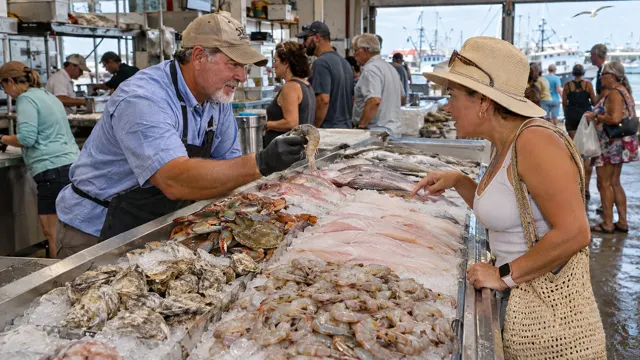
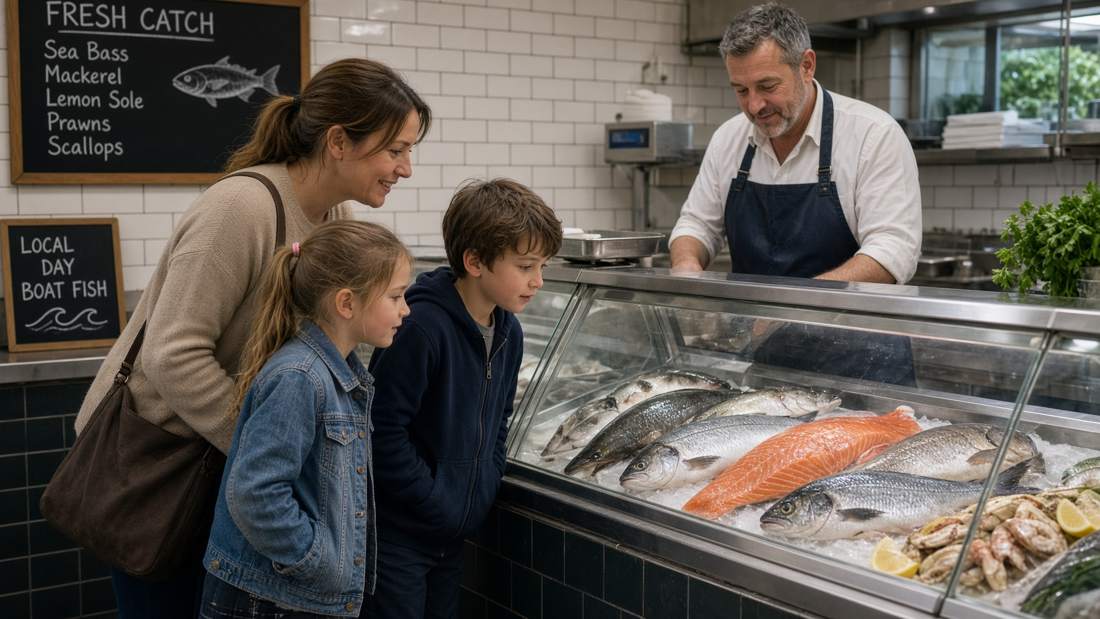
California has more ways to buy seafood directly than almost any state. Fisherman-run dockside sales operate in ports from Half Moon Bay and Monterey to Santa Barbara and San Diego, fish markets in cities such as San Francisco and Los Angeles sell whole fish and live shellfish, and community supported fishery programs deliver weekly boxes. Farmers markets often host a seafood vendor. Wholesalers supply restaurants, but a licensed fisher may sell to the public at the dock, so ask for the license.
Local catch and seasons
Dungeness crab is the signature winter fishery, with the commercial season traditionally opening in the fall or early winter and sometimes delayed for domoic acid or whale-entanglement concerns, so check current announcements. Market squid is the state's largest fishery by volume, landed mainly around Monterey and Southern California ports. Other well-known catches include Pacific sardines under strict management, albacore tuna, spot prawns, sea urchin, rockfish, sablefish and California halibut. Ports such as Half Moon Bay, Bodega Bay, Morro Bay, Moss Landing, Santa Barbara and San Pedro have working fleets.
Farmed and shellfish products
Tomales Bay and Humboldt Bay support oyster farming, and Monterey Bay is a source of farmed mussels and other shellfish. Inland, the Sacramento Valley produces farmed white sturgeon and caviar. San Diego's offshore waters support experiments with farmed shellfish and finfish. The state also makes strong use of direct sales, with boats selling off the dock in several ports and community supported fishery programs delivering boxes of local catch.
Buying smart: questions worth asking
- Ask when Dungeness crab was landed; fresh live crab should feel heavy and active.
- Check advisories before eating any shellfish you gather yourself.
- Dockside sales are legal in many ports, but the seller should show a current license.
Food safety and licensing for shoppers
Shellfish safety carries a distinctive calendar here. The state public health department runs a seasonal quarantine on sport-harvested mussels along the coast, typically from May through October, because of natural toxins, and it issues warnings that can affect commercial and recreational harvest at other times. Always check current advisories before gathering shellfish. Seafood dealers need a state license, and vessels have commercial fishing licenses and species-specific permits.
For more detail, these guides help: buying direct from the boat, ocean acidification and shellfish and closed seasons and marine protected areas.
Shopper resources: markets, sellers and trade groups
- Local Catch Network
- Pacific Coast Federation of Fishermen's Associations
- Pacific Coast Shellfish Growers Association
- USDA farmers market directory