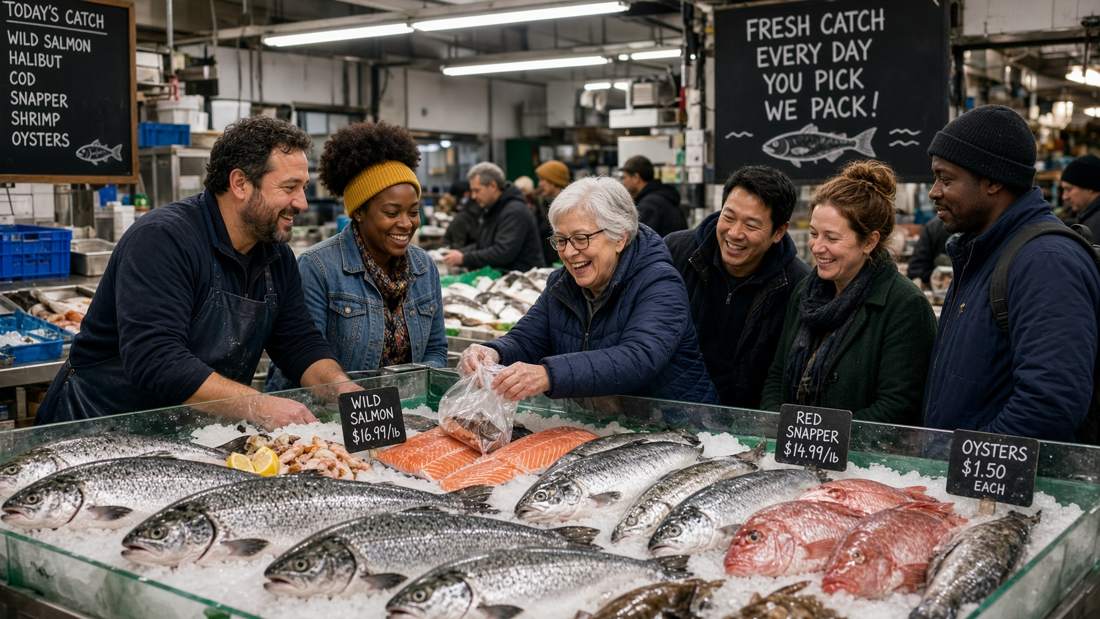
Seafood in Alabama is a story told along a short but productive stretch of Gulf of Mexico shoreline, centered on Mobile Bay and the waters off Dauphin Island, and balanced by a large inland catfish industry in the state's western Black Belt. The coast is only a small part of the map, yet it feeds a seafood trade that reaches well beyond the state line.
Where to buy
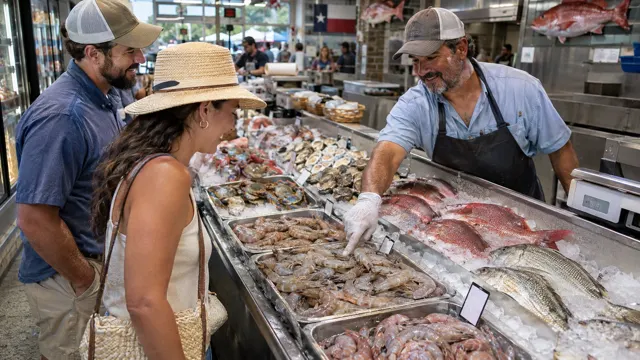
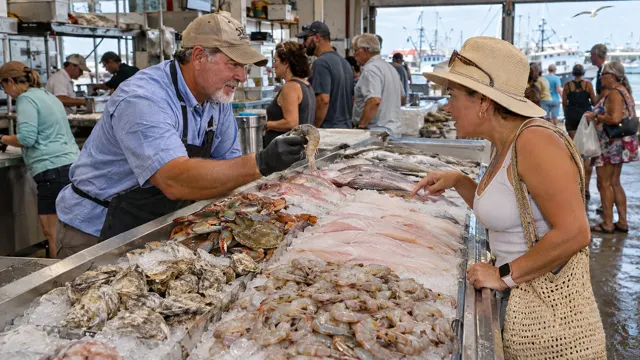
Shoppers on the Gulf Coast can buy shrimp, crab and oysters straight from docks and small seafood markets around Bayou La Batre, Mobile Bay and the Gulf Shores area, and many grocery stores in Mobile and Baldwin counties carry local shrimp when the boats are running. Inland, supermarkets and farm stores sell Alabama farm-raised catfish, often fresher than frozen imports. Wholesale buyers such as restaurants usually buy through coastal dealers who hold state seafood licenses; households can often buy retail from the same docks.
What is local and in season
Mobile Bay and the Mississippi Sound are shallow, brackish and nutrient-rich, which suits shrimp, blue crab and oysters. Bayou La Batre, south of Mobile, is widely known as a working seafood town with shrimp boats, docks and processors, and it has long been one of the state's most recognizable fishing communities. Offshore, Alabama-based boats and charters work reef fish such as red snapper under federal Gulf of Mexico rules, so seasons and limits for snapper and grouper are set at the federal level rather than by the state alone. Mobile Bay is also famous for the jubilee, an occasional event in which crabs, flounder and shrimp crowd the shoreline when low-oxygen water pushes them toward shallows.
Catfish country and oyster water
Inland, farm-raised catfish is the state's most important aquaculture product, grown in earthen ponds across the Black Belt counties of west-central Alabama. If you shop for catfish in Alabama, the fillets in the case may well have come from a pond within a couple of hours' drive. Oyster farming has also grown along the coast, with off-bottom gear in Mobile Bay and Portersville Bay giving restaurants a half-shell oyster with a consistent shape. Wild shrimp seasons, set by the state marine resources agency, open in fall for the larger brown and white shrimp, and market prices tend to track dock supply closely.
How to choose and what to ask
- Ask whether Gulf shrimp are wild-caught or imported; a good counter will say so plainly.
- Keep oysters on ice, cup-side down, and eat them within a few days of purchase.
- In summer, choose oysters that are tagged and kept cold, because warm water raises bacterial risk.
Safety and rules in plain terms
Alabama's shellfish sanitation work is handled through the state public health department's seafood program together with the marine resources division, and harvest areas are classified and sometimes closed after storms or heavy rain. Buyers should look for shellfish tags that identify the harvest area and date, and retail sellers need the appropriate state licenses. Rules differ for commercial and recreational harvesters, so check current regulations before selling or buying direct from a boat.
For more detail, these guides help: how harvest areas are classified, U.S. catfish farming and Vibrio risk in oysters.
Shopper resources: markets, sellers and trade groups
- Gulf Shores and Orange Beach tourism site (seafood restaurants and markets)
- Gulf Coast Seafood Alliance
- Wild American Shrimp (domestic shrimp buying guide)