Seafood in Florida is among the most varied in the nation, drawing from the Gulf of Mexico, the Atlantic and the Keys, and supporting a mix of commercial fleets, charter captains, fish houses and restaurants. The state's long coastline and tropical species give it dishes and seasons found nowhere else.
Where to buy
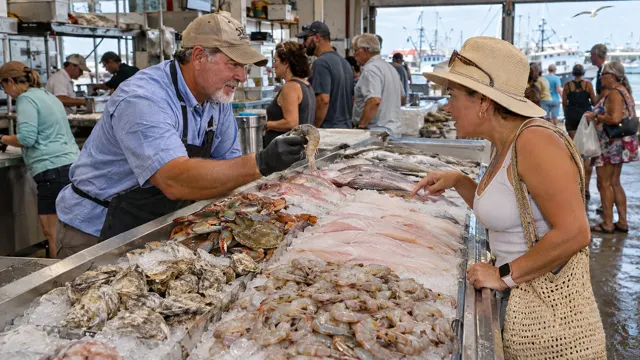
Florida shoppers have dockside fish houses on both coasts, from Key West and Cortez to Cedar Key and Apalachicola, as well as city fish markets that sell grouper, snapper, shrimp, stone crab claws and spiny lobster. Look for fish houses that cook as well as sell, since they usually have the freshest product. In-season stone crab and lobster can be bought by the pound at markets; wholesale volumes go to restaurants through licensed dealers.
What is local and in season
Florida stone crab is harvested for its claws, which regrow after the crab is released, and the season runs from mid-October to early May. Spiny lobster has a regular season that begins in early August, preceded by a two-day sport mini-season in July, with the Keys as the center of the fishery. Reef fish such as grouper and snapper are Gulf and Atlantic staples, managed under a mix of state and federal rules. Pink shrimp, mahi-mahi, wahoo, mullet and Spanish mackerel are all common catches. Ports include Key West, Cortez, Fernandina Beach, Mayport, Madeira Beach and Panama City.
Oysters, clams and farmed seafood
Apalachicola Bay oysters were once among the most famous in the country, but the bay's oyster harvest has been restricted for recovery, so check Florida Department of Agriculture and Consumer Services and FWC notices for current status before assuming availability. Cedar Key is known for farmed clams, grown on leases in the Gulf. Aquaculture across the state also includes ornamental fish, tilapia and other species. Seafood fraud and species substitution have been investigated in the state, so ask restaurants and markets for species names.
How to choose and what to ask
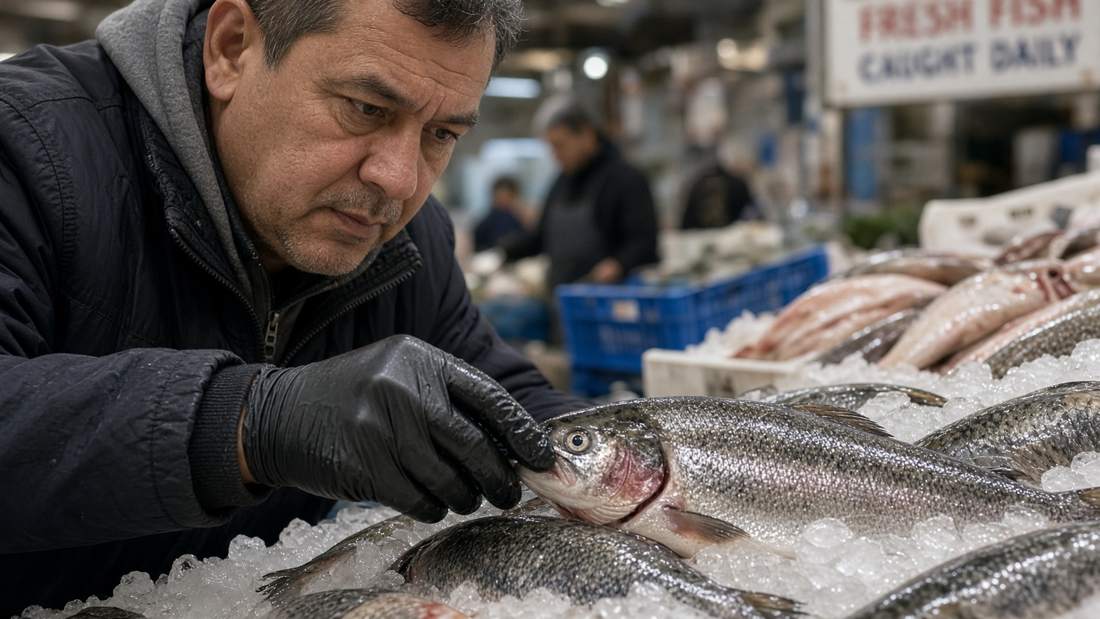
- Confirm the species when buying grouper; look-alike fish are sometimes substituted.
- Stone crab claws should be cold, firm and have no ammonia odor.
- Check current seasons before buying or harvesting spiny lobster.
Safety and rules in plain terms
Marine fisheries rules fall to the state fish and wildlife commission, while shellfish harvesting area classification and aquaculture programs sit with the state agriculture and consumer services department. Commercial harvesters and dealers need licenses, and a saltwater products license is required to sell wild-caught fish. Federal Gulf and South Atlantic rules apply for many reef fish, with seasons that can change from year to year.
Related reading on this site includes seafood fraud enforcement, Vibrio in oysters and southern seafood culture.
Shopper resources: markets, sellers and trade groups
- Florida Seafood Festival (Apalachicola)
- Apalachicola Bay Chamber of Commerce
- Wild American Shrimp
- LocalHarvest