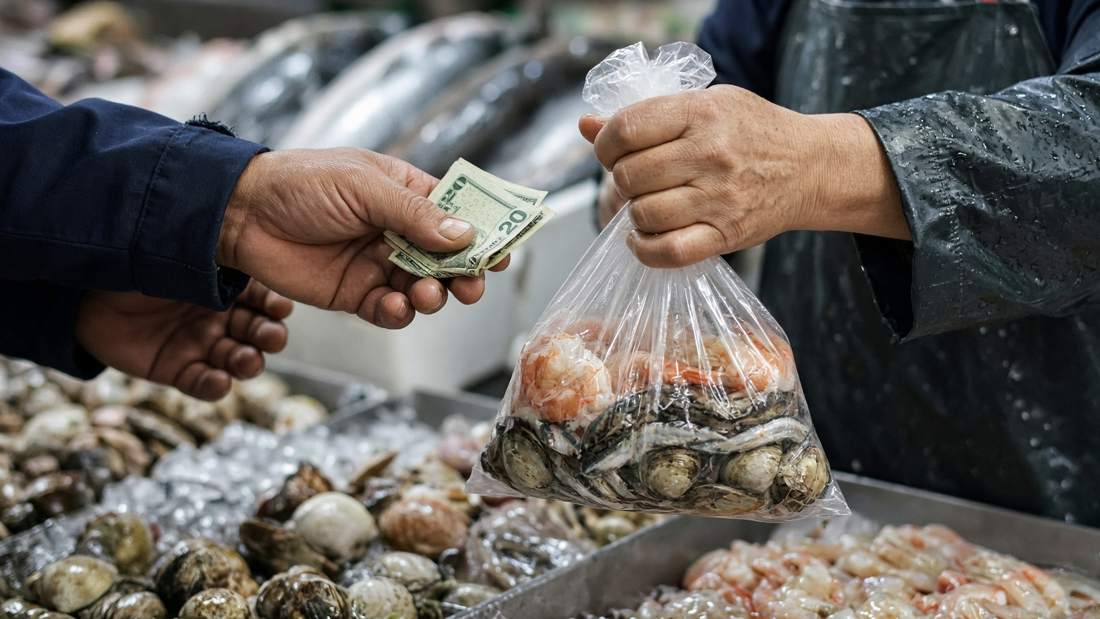
Seafood in Hawaii is part of daily life, from poke counters in neighborhood groceries to white-tablecloth restaurants serving opakapaka. The islands sit amid open Pacific tuna waters, and the local fleet mixes small boats, longliners and nearshore fishers who sell a wide range of species.
Where shoppers find it
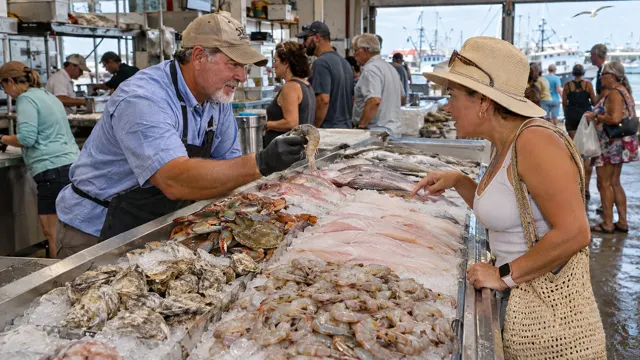
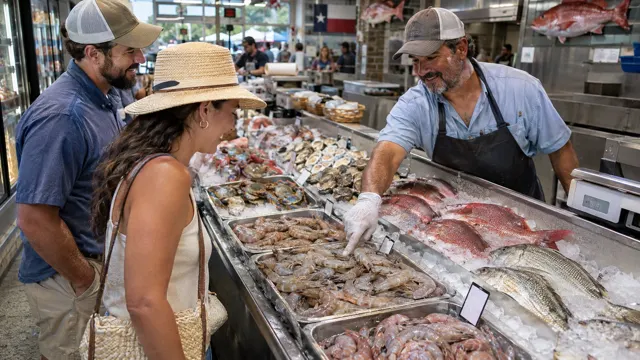
The best-known buying spot is the Honolulu fish auction at Pier 38, where yellowfin and bigeye tuna, swordfish and other pelagic fish are sold at an early morning auction to wholesalers, restaurants and markets. For shoppers, supermarket poke counters, neighborhood fish markets in Honolulu, Hilo and Kahului, and local farmers markets are easier. Island fish stores often sell by the cut, and hand-lined fish from small boats is prized.
What to look for through the year
Ahi (yellowfin and bigeye tuna) is the star, along with mahi-mahi, ono (wahoo), opah, swordfish and the snappers known as opakapaka, onaga and ehu. Nearshore catches include akule, papio and reef fish, and traditional foods such as limu (seaweed) and opihi (limpets) are valued but harvested under strict rules. Hawaii also has aquaculture, including Pacific threadfin (moi), farmed shrimp, oysters and open-ocean fish farming off Kona.
Poke, ciguatera and buying raw fish
Raw fish demands clean handling, so buy poke from counters that keep it on ice and rotate fresh batches. Ciguatera, a toxin that can build up in some large reef fish, is a known issue in the islands; local fishers and health officials know which species and areas to avoid, and shoppers should buy reef fish from sellers who do. If a vendor cannot say where a fish came from, choose something else.
At the counter: checks and questions
- Look for tuna with a bright, translucent color, not brown or dull edges.
- Ask when poke was mixed; same-day is best.
- Buy large reef fish only from sources who track where they were caught.
Health and legal basics
Hawaii's marine resources are managed by the state aquatic resources division, with federal management for many Pacific pelagic species through the Western Pacific Fishery Management Council and NOAA Fisheries. The health department oversees retail food safety and issues advisories. Anyone who sells fish needs the right commercial licenses, and many nearshore areas have size and season limits.
If you want to go deeper, try recognizing freshness in fish, raw fish safety at home and handlined seafood.
Shopper resources: markets, sellers and trade groups
- Hawaii Farm Bureau (island farm and food producers)
- USDA farmers market directory
- Local Catch Network (community supported fisheries)