Influencer partnerships in seafood are now a normal part of how brands reach shoppers: a chef or home cook shows a seafood box, a canned fish brand or a favorite fishmonger, and followers click to buy. Plenty of the recommendations are honest and useful, and some are paid promotion. Knowing how to tell them apart helps you buy what suits you.
How influencer partnerships in seafood work
A brand may send free product, pay a fee, offer a discount code or pay a commission on sales. In many countries, creators are expected to disclose these relationships clearly, using labels such as "ad" or "paid partnership," but practice varies, so check how a post is marked. A partnership does not make a recommendation false. It does mean the creator has a reason to be positive, so look for evidence beyond enthusiasm.
What to look for in a recommendation
Disclosure in influencer partnerships in seafood
A trustworthy creator tells you when something is sponsored and mentions drawbacks, such as price, portion size or shipping. If every post is glowing and none disclose a relationship, treat the content with more caution.
Specifics about the product
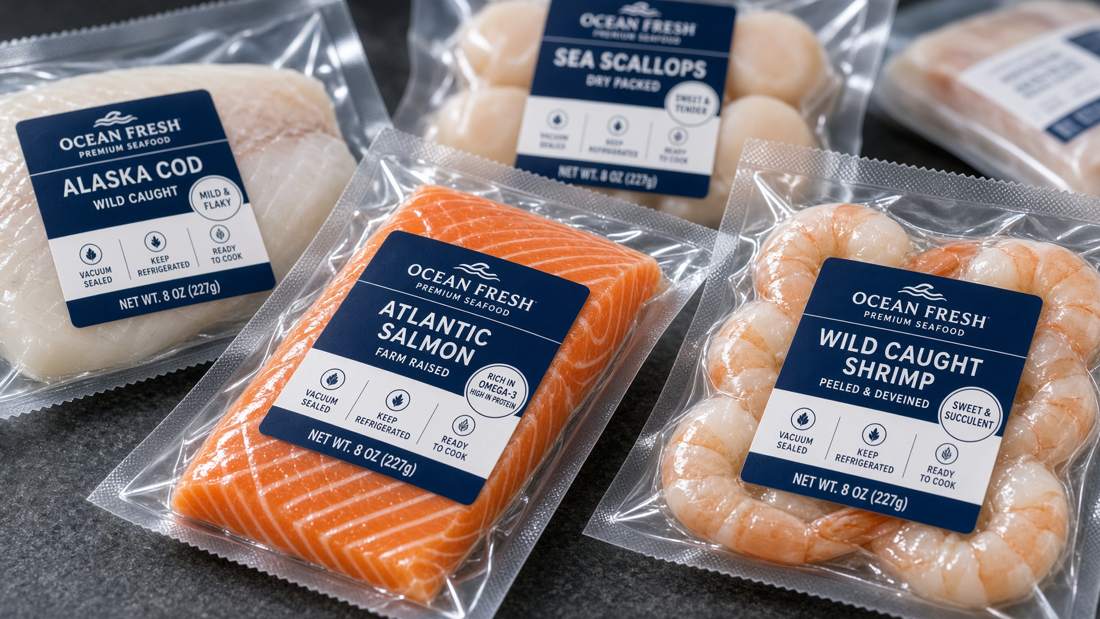
Good posts name the species, origin, and whether it is wild or farmed, show the real product and explain how it was cooked. A vague line like "the best seafood ever" gives you nothing to check. Use FishWatch to look up the species and see what it should taste like and how it is usually sold.
Evidence for health and sustainability claims
Be careful with sweeping claims such as "the healthiest fish," "toxin free" or "100 percent sustainable." Health advice should align with reliable sources such as the FDA advice about eating fish, and sustainability claims should be checkable against Seafood Watch or certification programs such as the Marine Stewardship Council. Our guide to greenwashing in seafood marketing explains common tricks.
Using influencer partnerships in seafood to your advantage
- Use discount codes wisely. Compare the discounted price per pound with other sellers, including your local shop.
- Read the fine print. Subscription offers may renew automatically. See subscription seafood boxes.
- Look at independent reviews. Check customer comments and photos, not just the creator's post. See reviews and reputation management.
- Ask what was cooked and how. Recipes on social media may skip food safety details; for fish, check doneness and storage against trusted guidance.
- Be careful with raw fish trends. Raw seafood carries risk for some people, so check the FDA advice before copying a trend.
Where else to find advice
- Your local fishmonger, who can tell you what is fresh today.
- Government and non-profit guides on sustainability and safety.
- Cooking sites and cookbooks that test recipes thoroughly.
Read ask your fishmonger the questions that reveal quality and sourcing for questions you can bring to any seller.
Influencer partnerships in seafood can introduce you to new products and good cooks. Keep an eye out for disclosure, check the facts on your own and let the fish speak for itself when it arrives.