Buying seafood in bulk can lower your cost per pound, but only if you can store it properly and eat it before quality fades. A lower price on a ten-pound box is no bargain if half of it ends up freezer burned or thrown away.
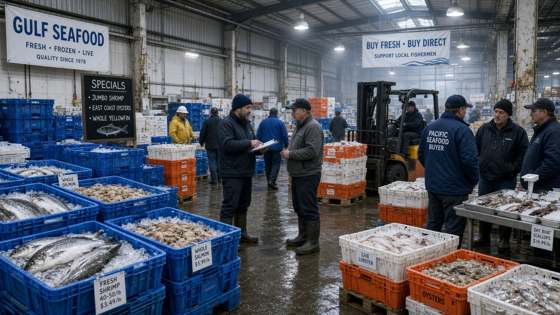
Where buying seafood in bulk is possible
- Warehouse and wholesale clubs that sell large bags of frozen shrimp, fillets or salmon portions.
- Local shops that offer case or half-case prices if you order ahead.
- Community-supported fisheries and direct-to-consumer sellers that ship larger shares. See community-supported fisheries explained.
- Whole fish bought from a dock or market and cut up at home or by the fishmonger.
How to judge if buying seafood in bulk saves money
Divide the total price by the pounds you receive, after shipping, and compare with the usual price at your store. Consider glaze, which is a coat of ice on frozen products that adds weight, and shell-on products that include inedible shell. Look at the net weight on the package. Then ask how long you can keep it. Frozen fish stays safe at 0 F for a long time, but best quality fades over months, so plan to eat it within a few months.
Storage before you buy
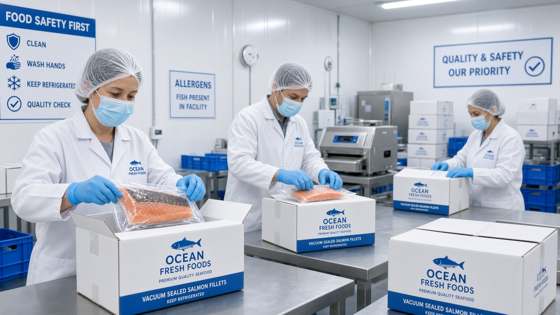
Check you have the room, and the right equipment, for example a vacuum sealer or freezer bags. If you will portion a large box, work quickly, keep the fish cold and wrap each portion tightly. Our guide to freezing fish techniques explains how. Keep the freezer at 0 F, as the FDA recommends on its refrigerator thermometer page.
Share the order
Splitting a case with friends, neighbors or family cuts the amount you have to store and lowers the risk of waste. Agree on how to split weights fairly, who collects and who pays for any shipping, and write it down.
When bulk is not a bargain
- Fresh fish that you cannot use or freeze within a day or two.
- Species you have never tried, in a quantity too big to enjoy.
- Products with a short date, or that arrive partially thawed.
- Seafood without clear labeling of species and origin. See reading seafood labels.
Check before you commit
Ask whether the product was frozen at sea or on land, whether it was previously thawed and what the return policy is. The FDA's advice about eating fish and the NOAA FishWatch site are useful when you are weighing unfamiliar species.
Choosing between a club, a shop order and a share
The best route depends on how much you eat and how much freezer space you have. A warehouse club suits households that eat shrimp, salmon or cod portions every week and want standard frozen packs. A shop case order suits cooks who want a specific fresh fish, such as a whole salmon or a case of oysters for a party, and can plan around a pickup date. A shared order suits smaller households that want better price and quality but not the quantity.
A simple price check
- Write down the total price and the net weight.
- Subtract the weight of any shell, head or glaze if you can estimate it.
- Divide the price by the edible weight to get a true price per pound.
- Compare with the same species at your usual store.
Our article on minimum orders and case sizes goes into order terms in more detail.
Whole fish, portioned at home
A whole fish is often the cheapest way to buy, but only if you know how to use it. Ask the fishmonger to scale, gut and fillet it, and take the head and bones for stock. Cut fillets into meal-sized pieces, wrap each tightly and freeze what you will not eat in a couple of days. Keep cold throughout, and wash hands, boards and knives after handling raw fish.
Handling a big delivery on the day
- Clear freezer space before the box arrives.
- Check that frozen items are still frozen hard and fresh items are cold.
- Label each portion with the species and date.
- Use the oldest fish first and keep a simple list on the freezer door.
Frequently asked questions
How long does frozen fish keep?
Safe at 0 F indefinitely, but quality drops over time. Lean fish tends to keep its quality longer than oily fish. Check guidance from the FDA or the seller's label for suggested times.
Are club store seafood packs good quality?
Many are, particularly frozen products, but check species, origin and any certification on the pack, as with any seafood.
What about shellfish in bulk?
Live shellfish should be bought only as much as you will cook within a day or two, and should be kept cold and ventilated. Discard any that do not close or that smell off.
Done carefully, buying seafood in bulk rewards you with lower prices and a freezer stocked with good fish, so measure the real price per pound, keep an eye on storage time and share the order when it is too big for your household.