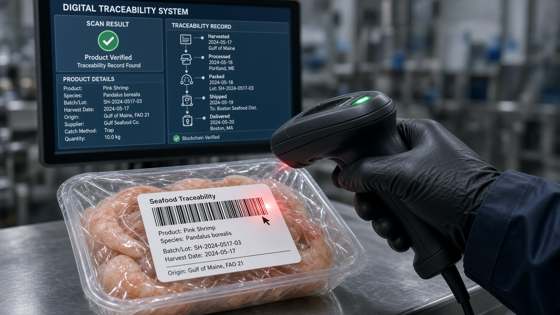
Seafood receipts and scales are where a good deal is either confirmed or quietly lost, and a ten-second check at the counter can save real money. Fish is sold by weight, the price is per pound or per kilogram, and small details such as ice, packaging and trimming change what the scale shows.
How the scale and register work together
At most seafood counters, staff place your fish on a scale connected to the register. The system multiplies the weight by the posted price and prints a label or adds the line to your total. A legal-for-trade scale is inspected by local weights and measures officials in many places, and you can usually see a seal or sticker on it. If you cannot see one, it is fair to ask.
Why seafood receipts and scales can include ice and packaging
Weight can include packaging, paper, a bag or even ice. A properly set scale subtracts this container weight, known as tare, before pricing. If you buy a whole fish packed on ice, make sure the ice is not being sold as fish. Ask staff to confirm that the weight shown is net, meaning only the product.
What to check on your seafood receipts and scales
- Watch the display when the fish is weighed so you can see the weight and price per pound.
- Check the item name matches what you asked for, such as wild versus farmed or fresh versus previously frozen.
- Compare the line price with the sign. Specials and member prices sometimes do not scan correctly.
- Look at the total before you pay and keep the receipt for any problem.
Our guide to reading seafood labels explains terms that appear on the label and receipt.
Whole fish, fillets and yield
The price per pound of a whole fish is not the cost of what you eat, because heads, bones and skin do not end up on the plate. A whole fish at a lower price may still cost more per edible pound than fillets. Ask the fishmonger to fillet it for you and keep the trimmings for stock, which is common practice. See yield in seafood processing for more on how this works.
Weight loss in shell-on products
Shell-on shrimp, crab and lobster weigh more than the meat you eat. Compare prices with edible yield in mind, and read the label for terms such as glazed, which means a coating of ice that adds weight in frozen products.
If something looks wrong
Ask politely for a recheck on the spot. Most shops will fix a mistake quickly. If you are overcharged and the shop does not fix it, your local consumer protection or weights and measures office can help, and the USA.gov site at usa.gov points to government contacts. Keep your fish cold on the way home as well, since the FDA's safe food handling advice says perishable food should not sit out for more than two hours, or one hour in hot weather.
Taking a moment to check seafood receipts and scales at the counter helps you pay for exactly what you received, spot labeling mistakes early and get better value from every pound of fish.