Every seafood retail business plan has to answer one hard question: how do you sell a product that spoils in days at a price people will pay? The answer shapes the price tag on your fillet, the daily specials board and even how fresh the fish in the case really is. Once you see the economics, you can shop smarter.
What a seafood retail business plan has to cover
A shop plan lists what the seller expects to buy, what it will cost to keep cold, how much will be thrown away and what customers will pay. Unlike a shelf of canned goods, fresh fish cannot sit. Whatever is not sold within its good days is either marked down, frozen, turned into prepared food or discarded. That risk is built into every price.
What a seafood retail business plan hides in the price tag
The price you pay covers more than the fish. It also covers refrigeration and electricity, ice, packaging, staff who can cut and advise, rent and the product that never sold. A shop with a fine seafood retail business plan builds all of this in, which is why a counter with knowledgeable staff and a wide choice may charge more than a pre-packed tray in a supermarket aisle.
Why prices move from week to week
Wild fish prices follow the catch, weather and season, and farmed fish follows feed, supply and demand. A shop passes those changes along. Our guide to seasonal pricing fluctuations explains the pattern, and it is why the same fish can be a bargain in one month and expensive the next. You can check what is in season and what species are well managed on FishWatch, the NOAA information site.
How to read a markdown
A reduced-price sticker is not automatically bad news. Shops often discount fish that is still within its best days so it sells that day. The useful question is simple: when did this arrive, and should I cook it today? If the answer is "today," a markdown can be real savings. If the seller cannot say, or the fish looks dull, smells sour or has liquid pooling around it, skip it. For help judging quality yourself, read how to recognize freshness in fish.
Ways to get better value from any fish counter
- Ask what arrived most recently and buy that, even if it was not the species you planned on.
- Buy whole fish and ask the counter to fillet it. You pay for the bones, but you also get the head and frame for stock.
- Choose frozen-at-sea or flash-frozen fillets when fresh looks tired. Frozen fish is often a good buy, and the FDA's page on choosing fresh and frozen seafood says what to check on packages.
- Plan one fish dinner around the special of the day instead of a fixed recipe.
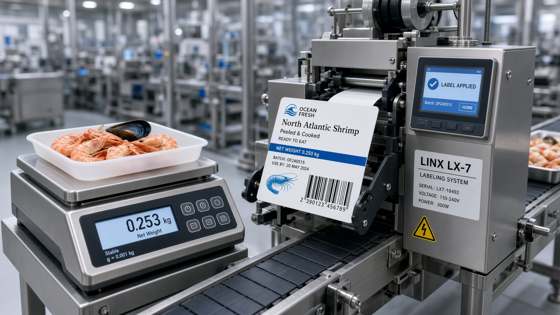
- Ask whether shrimp or other items are "previously frozen." Thawed fish is fine to buy if it is labeled and priced accordingly.
What a healthy shop looks like
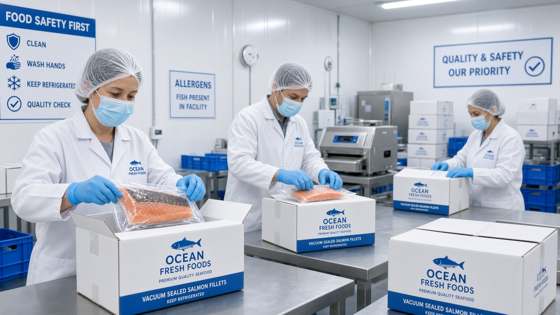
A well-run shop usually has steady customers, a clean and cold case and staff who answer questions without hesitation. Turnover matters because busy counters sell product while it is still at its best. An empty case with the same fish sitting in it hour after hour is less appealing than a busy one with a short list of choices.
Thinking about the seafood retail business plan behind a shop gives you a practical lens: ask about arrival dates, choose what is in season, use markdowns on the day you plan to cook, and treat a fair price for well-handled fish as good value rather than a cost to avoid.