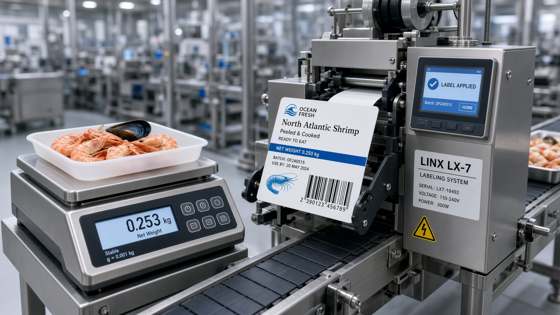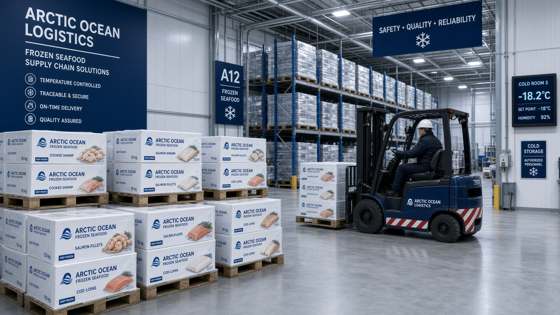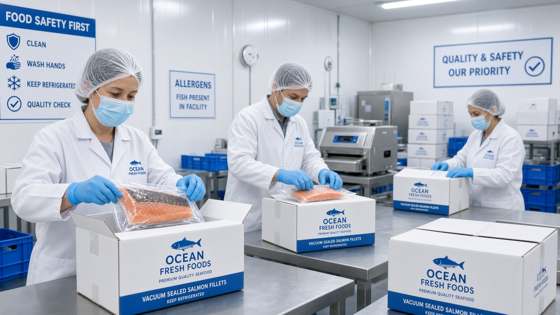
When someone is starting a seafood business, almost every early decision lands on your plate later: where the fish comes from, how it is kept cold, how much it costs and how quickly it sells. New fish shops, market stalls and online sellers open all the time, and knowing what goes into those first steps helps you tell a careful operator from a risky one.
What starting a seafood business actually involves
Selling fish is regulated more closely than selling most foods, because seafood spoils quickly and some of it carries specific hazards. A new seller has to sort out permits and inspections, find suppliers, buy refrigeration and decide how the product will be packed and sold. None of that is glamorous, but each piece affects what you take home.
Suppliers decide freshness when starting a seafood business
A seller who has worked out reliable suppliers can tell you where a fish came from and roughly when it arrived. A seller still figuring this out may buy whatever is available, which can mean uneven quality. Ask a new shop who supplies its fish and how often deliveries arrive. A good answer is specific, such as a named boat, dock or distributor, rather than a vague "we get it fresh."
Cold storage is the biggest startup cost to look for
Refrigeration is one of the largest things a new seafood seller must get right, because fish that warms up even briefly loses quality fast. As a shopper you can see the result: a display case that looks cold, fish resting on clean ice or in a properly chilled case, and no strong fishy smell in the shop. For more on what good cold equipment looks like from the customer side, see our guide to what equipment a good seafood shop has.
Permits and inspections you can ask about
Requirements differ by state, county and country, so check current rules where you live. In the United States, seafood processors and many importers must follow the FDA's seafood HACCP approach, a system of identifying and controlling hazards, explained on the FDA seafood HACCP page. Retail shops are usually inspected by local or state health departments. You do not need to read the rules, but it is reasonable to look for a posted permit or inspection result and to ask a seller how they handle food safety. Our article on licensing for seafood dealers explains what to look for.
Warning signs and good signs in a brand-new seller
- Good sign: staff can name the species, where it was caught or farmed, and whether it was previously frozen.
- Good sign: the counter, knives and scales look clean, and raw fish is kept apart from cooked or ready-to-eat items.
- Good sign: the seller is happy to cut, scale or bone a fish for you while you watch.
- Warning sign: no one can tell you the origin or catch method of anything in the case.
- Warning sign: cloudy eyes on whole fish, dull flesh, ammonia or sour smells, or liquid pooling under fillets.
- Warning sign: online sellers who will not say how the fish is shipped or kept cold in transit.
The FDA's page on selecting and serving fresh and frozen seafood safely lists what to check at the counter, and it applies to any seller, new or old.
Why a new seller's prices can look different
A start-up often has higher costs per pound than a large chain because it buys in smaller amounts, so a slightly higher price is not a red flag by itself. What matters is value: fish that is fresh, correctly labeled and handled well. A very low price on a premium species deserves a question, since substitution of a cheaper fish for an expensive one is a known problem in the seafood trade.
A simple way to try a new seller
Start small. Buy a single fillet or a half pound of shrimp, check it at home for smell and texture, cook it the same day and see how you feel about the experience. If the seller was open, the fish was good and the shop was clean, you have found a keeper. Understanding the thinking behind starting a seafood business turns you from a passive buyer into someone who knows which questions to ask, and that is the best protection a shopper has.