Seafood dealer licensing sounds like paperwork for businesses, but it is also one of your best protections as a buyer. A licensed, inspected seller is accountable for where its fish comes from, how it is stored and what happens when something goes wrong. Knowing what to look for takes a minute at the counter or on a website.
What seafood dealer licensing usually covers
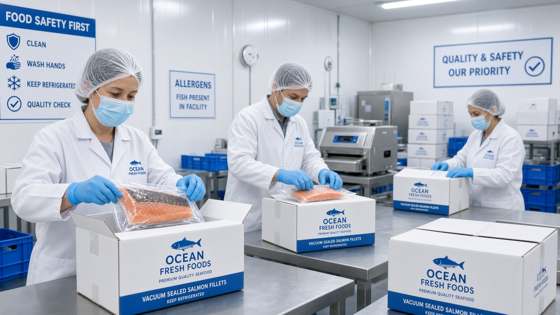
Rules vary by country, state and even county, so check current rules where you live. In general, a seafood seller may need a business license, a food or retail permit from the local health department, and, for some activities, additional permits for buying from fishermen or handling shellfish. Sellers that process fish, such as cutting, smoking or packing, face stricter requirements than shops that only resell pre-packed product.
Why shellfish get extra attention in seafood dealer licensing
Oysters, clams and mussels filter water, so they can carry bacteria or natural toxins from where they grew. In the United States, states classify shellfish growing areas and certify dealers who handle them, working within a national program described by the Interstate Shellfish Sanitation Conference. This is why a reputable shop keeps the tag that comes with a bag or sack of live shellfish and can tell you the harvest area and date. If a seller cannot show where oysters came from, buy something else.
A shopper's licensing checklist
- Look for a posted health permit or recent inspection result, which many jurisdictions require to be visible or available on request.
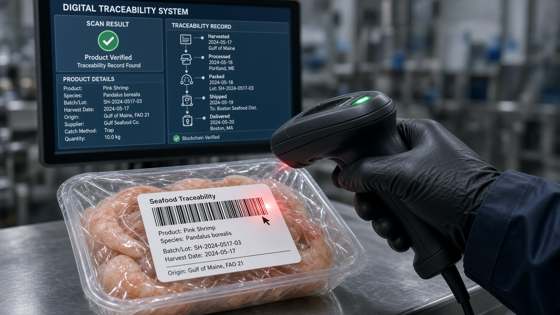
- Ask where the shellfish was harvested and when, and whether the tags are kept on file.
- For online sellers, check for a business name, physical address and contact details on the site, and look for a clear statement about how orders are shipped and kept cold.
- Be cautious of sellers who only sell from a cooler with no label, no origin and no way to contact them afterward.
- If you buy at a farmers market, ask the same questions you would at a shop.
Imports and labeling
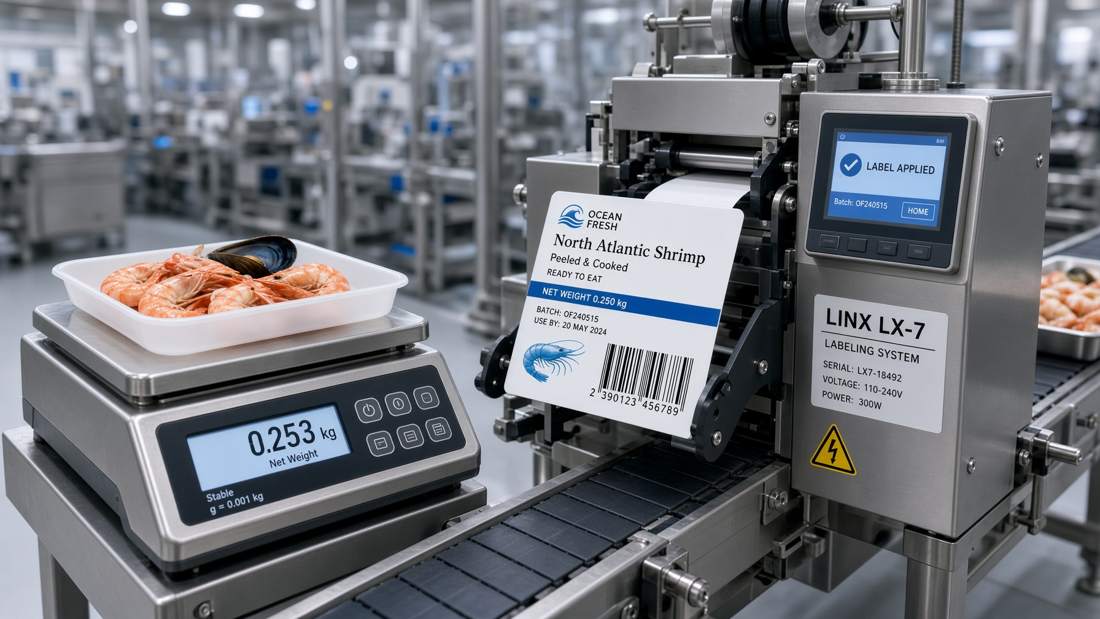
Imported seafood passes through its own checks, and retail labeling rules apply in many places. In the United States, country-of-origin labeling for fish and shellfish is described by the USDA Agricultural Marketing Service. Our article on country-of-origin labeling breaks it down for shoppers.
What a license does not guarantee
A license shows that a seller has met a minimum standard on the day it was issued or inspected. It does not tell you how fresh today's fish is, whether the species is correctly named or whether the counter was cleaned an hour ago. Use it alongside your own checks: smell, appearance, temperature and a seller's willingness to answer questions. The FDA's page on selecting and serving seafood safely is a handy reference for what to look for at the counter and in the package.
Licensing for online and delivery sellers
Selling seafood online does not remove these requirements. A seller shipping fish across state lines still needs to be properly registered and follow food safety rules, and live shellfish and some species face extra conditions. Look for a clear business address, a phone number or email that works, and a plain description of how the order is packed. If a website will not tell you who is behind it, that is reason enough to shop elsewhere.
What to do if something seems wrong
If you get sick after eating seafood or find a product that is spoiled, tell the seller, keep the packaging and any remaining product if it is safe to do so, and contact your local health department. Licensed sellers are expected to take complaints seriously, and reports help officials spot problems. For how inspections work from the seller's side, see what to expect from food safety inspections.
Seafood dealer licensing will never replace your own eyes and nose, but it gives you a baseline. A seller that is licensed, answers your questions openly and keeps clear records is a seller worth coming back to.