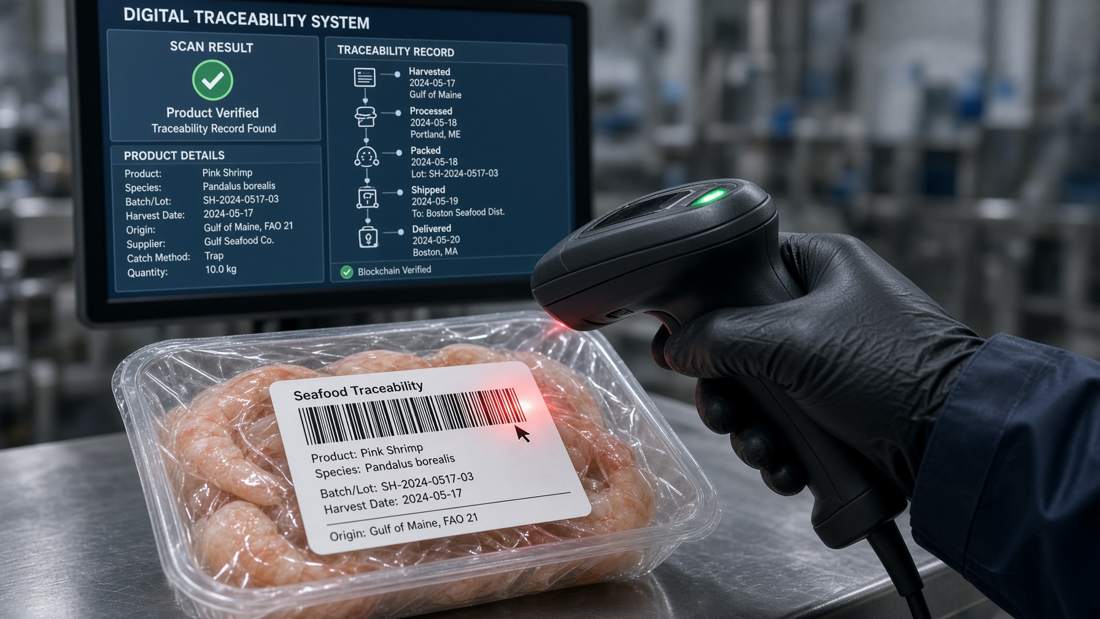
Delivery fleet options for seafood decide whether your online or local order arrives cold, fresh and safe. Some shops deliver in their own refrigerated vans, some use couriers and some ship overnight in insulated boxes. Knowing what each method means helps you pick a seller and check your order when it arrives.
Delivery fleet options for seafood: how fish reaches you
- Shop or local delivery van: a seller delivers on its own routes, sometimes in refrigerated vehicles. This can work well for nearby customers and scheduled drop-offs.
- Courier or overnight shipping: fish is packed in an insulated box with ice packs or dry ice and sent by a carrier. Look for a clear delivery window and tracking.
- Pick-up and community drop points: common with community-supported fisheries, where you collect a share at a set time. Our guide to community-supported fisheries explains how they work.
- Grocery delivery: fish is picked in a store and delivered by a driver, so check the date and condition on arrival.
Delivery fleet options for seafood: what good packing looks like
Fish should be sealed, leak-proof and surrounded by enough cold packs or ice for the whole transit time, inside a sturdy insulated box. Frozen items should arrive firm. The best sellers explain their packing on the website. Read about insulated boxes and gel packs to know what to expect. If a seller does not say how orders are packed or what happens to a delayed shipment, think twice.
What to check when your delivery arrives
- Open the box promptly and check the temperature of the fish. Fresh fish should feel cold, and frozen fish should feel solid.
- Look for leaks, torn packaging, a sour or ammonia smell, or fish that looks dull or slimy.
- Put it in the refrigerator or freezer right away, using the FDA's guidance of 40 F or below for the fridge and 0 F for the freezer on its refrigerator thermometer page.
- Take a photo and contact the seller quickly if something is wrong, and follow their policy for replacement or refund.
When to refuse or discard a delivery
If a package of fresh fish is warm, the ice packs are fully melted and the fish is no longer cold to the touch, do not take chances. The FDA's guidance on selecting and serving seafood safely describes signs of quality problems. Live shellfish with gaping shells that do not close when tapped should be discarded. See buying seafood online: what to check for more.
Choosing a seller wisely
Before ordering, check the seller's address, contact details, delivery areas, delivery days and policy for late or damaged orders. Be home when the package arrives or arrange a safe place for it, especially in hot weather. Ask whether orders ship early in the week, so they do not sit in a depot over a weekend.
Understanding delivery fleet options for seafood puts you in control: pick the method that suits your location, check the packing, inspect on arrival and store at once. For tips on using fish properly once it is home, see fridge and freezer care for fish.