Third-party logistics for seafood sounds like a back-office detail, but it can decide whether your frozen shrimp arrives hard as a rock or half thawed. In plain terms, it means the company you bought from hires another business to store, pack and ship your order.
How the arrangement works
A small seafood brand may not have its own freezer warehouse or a packing team. Instead it sends product to a specialist facility. When you order, the warehouse picks the item, packs it with ice or dry ice, and hands the box to a carrier. The brand still handles your questions and refunds. That is common and not a bad sign by itself. It does mean there is an extra step between the seller and you.
Third-party logistics for seafood: what can improve
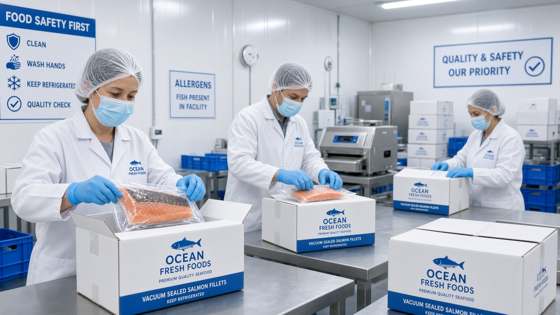
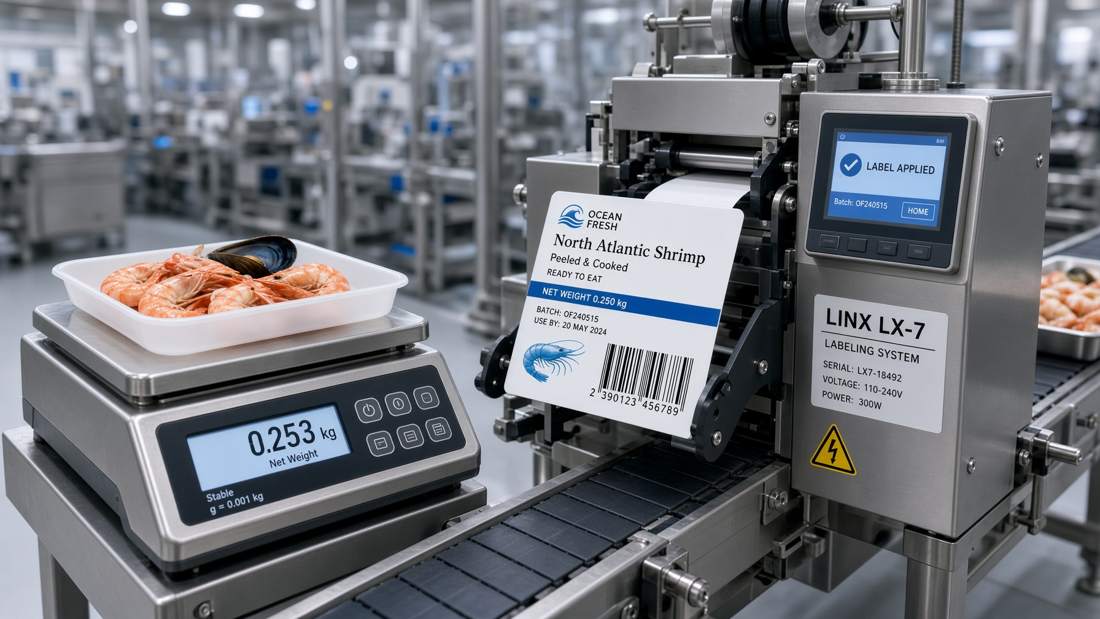
A warehouse that handles frozen goods all day usually has proper freezers, trained packers and tested box designs. That can mean more consistent packing than a small shop doing it on a busy afternoon. Orders may also ship faster, since the product sits closer to major carrier hubs.
What can get worse
More hands mean more places for something to go wrong. A box may wait on a loading dock, or a pack-out may be rushed on a peak day. If the brand does not see the warehouse every day, problems can take longer to spot.
Third-party logistics for seafood: what to check as a shopper
- Look at the shipping page for a clear ship-by day, such as only Monday to Wednesday. That suggests the seller is avoiding weekend delays.
- Check whether the listing says frozen, previously frozen or fresh. Our guide to reading seafood labels helps with the wording.
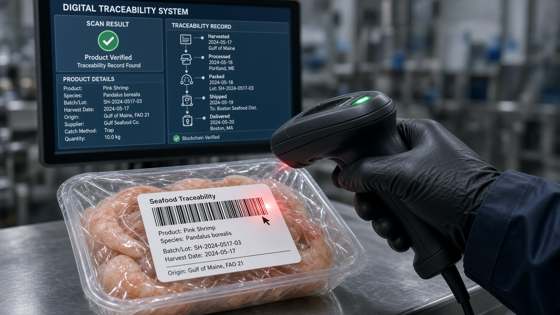
- Confirm that you get a tracking link and an estimated arrival date.
- Read the replacement or refund policy for orders that arrive warm.
On arrival
Whoever packed it, the same checks apply. Frozen items should be solid, fresh items cold, and nothing should smell sour. Photograph anything that is wrong and contact the seller promptly. Keep the packaging until the issue is settled. For storage afterward, the FDA's refrigerator and freezer temperature advice gives the targets: 40 F or below for the fridge and 0 F for the freezer.
If you cook with frozen fish, the way you thaw it matters as much as how it shipped, so read thawing seafood safely before dinner.
A note on labels and honesty
A reputable brand will say plainly when a warehouse partner ships its orders, or at least explain the shipping process in its help pages. If you cannot find any information on where a package comes from, treat that as a reason to ask. The FDA keeps general guidance for consumers on eating fish, which is useful whatever route the fish takes.
In the end, third-party logistics for seafood is neither good nor bad on its own. It is a choice that works when the seller manages it well, and your best tools are clear shipping terms, quick checks on arrival and a willingness to ask questions before you order.