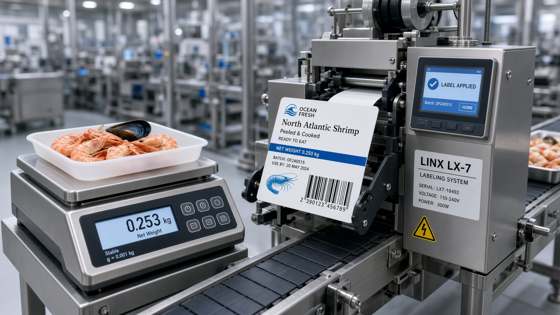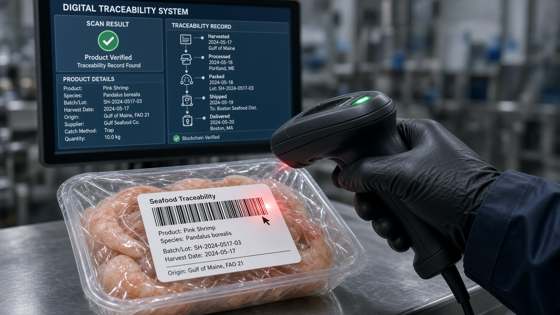
Cold chain carriers are the refrigerated trucks, cold stores and courier networks that sit between a fishing boat and your refrigerator, and most shoppers never see them. When they do their job, a fillet is chilled from landing to your door. When a link fails, the damage is invisible until the fish smells wrong or cooks up mushy.
What cold chain carriers actually do
A seller rarely owns every truck and cold room. Many hire specialist carriers to collect product, hold it at a set temperature, and hand it to the next stage. For you, the practical question is simple: how many hands touched this fish, and was it kept cold at each handoff? Our overview of the cold chain from boat to plate walks through those stages.
Why more cold chain carriers can raise the risk
Each time seafood moves from truck to dock to cold room, there is a chance it sits somewhere warm for a few minutes. One or two short breaks may do little. Many of them add up, which is why shorter, more direct supply chains often deliver better fish. It does not mean a long chain is always bad, only that the seller needs to manage it well.
Questions to ask a seller
- Is the fish shipped fresh or frozen, and how was it chilled during transport?
- How long does it normally take from packing to my door?
- Do you use gel packs, dry ice or ice, and is the box tested for my climate?
- What is your policy if the order arrives warm?
A seller who answers clearly is usually one who has thought about the chain. Vague replies are a signal to look elsewhere. Our checklist for buying seafood online adds more questions worth asking.
Signs the cold chain broke
You cannot read a temperature log from your kitchen, but you can read the product.
- Frozen fish that is soft, bent, or has ice crystals inside the bag may have thawed and refrozen.
- Heavy frost or large ice crystals can point to temperature swings.
- Fresh fish with a sour or ammonia smell, dull and sticky flesh, or a milky liquid in the package is a warning.
- Gel packs that arrive fully liquid and a box that feels warm inside suggest the trip ran too long.
The FDA's page on safe food handling reminds consumers that perishable food should not stay out of refrigeration for more than two hours, or one hour in hot weather. If your delivery is in doubt, the safe choice is not to eat it.
What you can do on your end
Choose a delivery day when you will be home, put the order away immediately, and keep a simple appliance thermometer in the fridge and freezer. The FDA explains the 40 F refrigerator and 0 F freezer targets on its refrigerator thermometer page. The last few feet of the chain are yours.
Cold chain carriers cannot be inspected by a shopper, so the best protection is a seller who explains how they ship, a box that arrives properly cold, and your own quick action once it is inside the house.