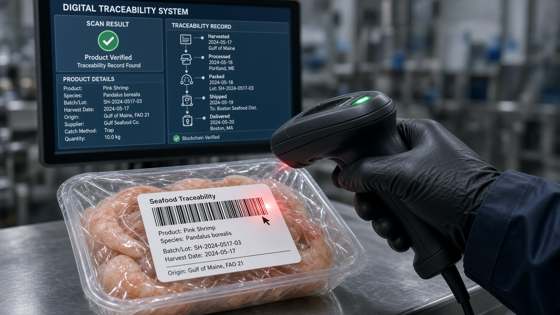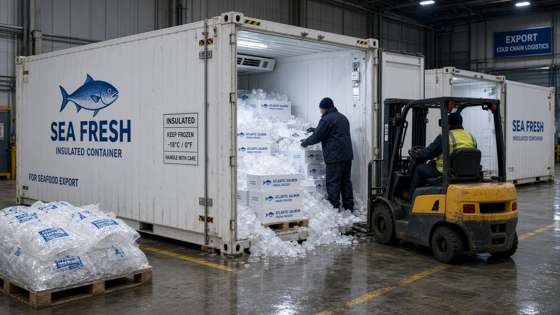
Seafood delivery routes are the reason your fish shows up between 10 and 2 instead of at a time you chose, and it directly affects how cold your order is when you open the door. A driver may carry dozens of stops. Every minute your box sits on a porch or in a warm van is a minute taken from its shelf life.
Why seafood delivery routes give wide windows
Companies that deliver perishables build routes so that the stops are grouped by area and, ideally, so that the shortest trips carry the most temperature-sensitive items. Traffic, weather, and the number of orders in your neighborhood all move the arrival time around. A wide window is not carelessness. It is how a route absorbs a late pickup or a slow road without leaving the last customers on the list with a spoiled box.
What you can do is pick the smallest window offered, choose a day when someone will be home, and watch for tracking updates. Many services send a text when the driver is close. If yours does, treat that message as the cue to be at the door.
What good seafood delivery routes mean for your fish
Good routing keeps the time between packing and your doorstep short. The rule that matters most at home is the same as in any kitchen: perishable food should not sit in the temperature danger zone for long. The FDA's safe food handling guidance uses the familiar two-hour limit for perishable food left out, and one hour when it is hot outside. A delivery that spends most of that allowance in transit leaves you little room.
Choosing a delivery day and slot
- Avoid ordering for a day when you will be out, even if the box says it is insulated. Insulation slows warming, it does not stop it.
- If a service offers morning slots and your area gets hot afternoons, take the morning.
- Midweek deliveries usually avoid weekend holding in a depot if a package is delayed. Ask the seller whether they ship early in the week for that reason.
- Give accurate gate codes and notes. A driver who cannot find the door loses time.
What to do when the box arrives
Open it right away. Check that the fish feels cold to the touch and that any gel packs or ice are still at least partly frozen. Frozen seafood should still be solid. Fresh fish should be cold and smell clean and mild, like the sea, not sharp or sour. If you want a refresher on the signs, see recognizing freshness in fish.
Then get it into the refrigerator or freezer. The FDA advises keeping your refrigerator at 40 F or below and your freezer at 0 F, and it recommends an appliance thermometer to confirm it, which is explained on its refrigerator thermometer page.
When to refuse or report a delivery
If the contents are warm, the packaging is soaked and leaking, or the fish smells off, take photos of the box and contents and contact the seller the same day. Do not eat food you doubt. Reputable sellers expect this and usually offer a refund or replacement, but they need quick notice and pictures. Read their policy before you order. Our guide to buying seafood online covers the policy questions worth asking.
If you will not be home
Some people arrange for a neighbor to take the package or send it to a workplace with a refrigerator. Others use a pickup point. Ask the seller whether the carrier leaves packages without a signature. A signature requirement can protect the food, but it can also mean a missed delivery and a second attempt that adds a day in transit, so weigh the two before choosing it.
Understanding seafood delivery routes will not change how fast a driver moves, but it helps you choose a window, stay home for it and act quickly when the box lands, which is where most of the freshness you pay for is kept or lost.