Processing room design is the hidden part of the seafood you buy: the room where fish is cut, trimmed, packed or smoked before it ever reaches a case or a box. You rarely see it, but its layout affects safety and quality, and you can borrow its principles for your own kitchen.
Processing room design: what makes a good one
A well-designed room is cold, easy to clean and organized so that raw product moves toward packaging without crossing paths with finished product. Surfaces are smooth and washable, floors drain, and there are handwashing stations and areas for waste kept separate from food. Cooked or ready-to-eat items are handled in a separate area from raw fish, because bacteria on raw seafood can spread to foods that will not be cooked again. In the United States, businesses that process seafood follow the FDA's seafood HACCP system, which requires them to identify and control hazards.
Processing room design clues in labels and packaging
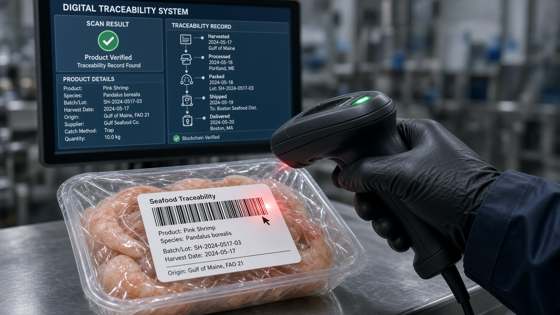
You cannot tour most plants, but labels help. Look for clear product names, the packer or distributor name, a use-by or sell-by date where provided and storage instructions such as "keep refrigerated" or "keep frozen." A package that is torn, leaking or warm at the edges is a warning sign. Our guide on reading seafood labels and certifications explains what each line means.
Questions to ask about prepared and packaged seafood
- Was this product cut or packed in-house, or does it come from a supplier?
- Has it been frozen, and was it thawed for sale?
- How should I store it, and how long will it keep?
- For smoked or ready-to-eat items: is it kept separate from raw fish in the shop?
Staff at a good shop will answer without fuss. The FDA's guide to selecting and serving seafood safely offers more checks to use at the counter.
Designing a small processing zone at home
You do not need a plant, but you can use the same ideas.
- Choose one counter near the sink for raw seafood and clear it of everything else.
- Use a board that is only for raw fish and shellfish, and wash it in hot soapy water afterward.
- Set out a clean tray for finished fillets and put them straight into the fridge or onto ice.
- Keep a bin or bag for scraps within reach and empty it when you finish.
- Wash hands before moving to cooked or ready-to-eat foods.
Wet and dry areas in a small processing room design
Separate wet work like scaling and rinsing from dry work like seasoning and portioning, using the sink and the counter. A splash guard or tray reduces mess, and a mat on the floor helps with slips. If you freeze portions, label them with the species and date as you go. See setting up a filleting station for a fuller layout.
Good processing room design comes down to cold, clean and orderly, and any shopper can recognize the results: fish that smells fresh, labels that tell the whole story and sellers who explain how it was handled.