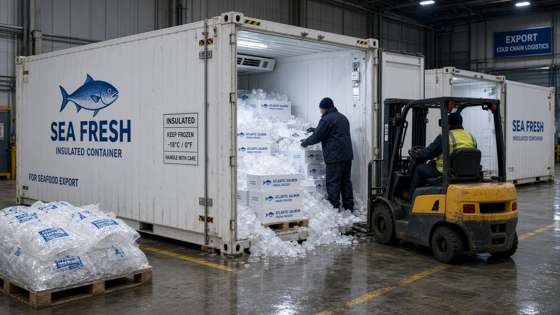
Washdown systems and drainage are what keep a busy fish shop clean and safe, and you can read their results the moment you walk in. Floors, drains and hoses are not glamorous, but they tell you whether a seller is staying on top of the mess that fish naturally creates.
What washdown systems and drainage do
Fish shops deal with ice melt, blood, scales and rinse water all day, so floors slope toward drains and surfaces are built to be rinsed and scrubbed. After closing, staff typically clear scraps, wash surfaces with detergent, rinse and then sanitize. Done well, this keeps odors down and bacteria from building up. Our article on cleaning and sanitizing seafood prep areas describes the steps.
Signs of good washdown systems and drainage
- Floors are damp at most, not covered in standing water or scales.
- Drains are clear and there is no sour or sewage smell.
- Display cases are drained, so melted ice is not pooling around fish.
- Staff wear boots or non-slip shoes and mop or squeegee between busy periods.
- Equipment looks clean, with no crusty residue on knives, scales or boards.
Warning signs worth noticing
Clogged drains, wet mats that smell, flies, dirty scoops and puddles under cases all suggest cleaning is lagging. A fishy smell in a shop is not always a bad sign, but a sharp, sour or ammonia-like odor is. The FDA suggests choosing fish that smells fresh and mild and does not smell strongly of ammonia, as explained in its selecting and serving seafood safely page. If the shop seems dirty, shop elsewhere.
Why this matters for your health
Raw fish and shellfish can carry bacteria, and wet, warm, dirty surfaces let those bacteria spread. Good washdown reduces the chance that something from one product reaches another, which matters most for ready-to-eat items such as smoked salmon or cooked shrimp. As a shopper, you cannot test a floor, but you can watch whether staff keep wet areas under control and whether raw and cooked items are handled with separate tools. If you see staff sweeping scraps into a bin and wiping the case between customers, that is a good sign.
Washdown at home: a simple routine
- Scrape scraps into a bag and tie it. Do not rinse bones and skin down the sink.
- Wash the board, knives and counters with hot soapy water.
- Rinse well and, if you wish, sanitize with a solution made by following the instructions on a household sanitizer or bleach label.
- Run the disposal or flush the sink with hot water, and clean the drain strainer.
- Air-dry boards and tools standing up, and wash dishcloths and sponges often.
Keep your drain and sink fresh
Fish residue can leave sink drains smelling. Remove food debris regularly and flush with hot water. A baking soda and vinegar rinse is a common household remedy for odors, though it is not a sanitizer. Lemon halves can freshen a cutting board but do not replace washing. For cross-contamination tips, read about cross-contamination risks in seafood handling.
When you look at the floor and drains of a fish shop, you are reading its habits. Strong washdown systems and drainage almost always go along with careful handling, which is just what you want for fish you plan to bring home and serve to your family. For more on what a good shop looks like, see fish shop layout and workflow, and for fish safety facts visit FishWatch.