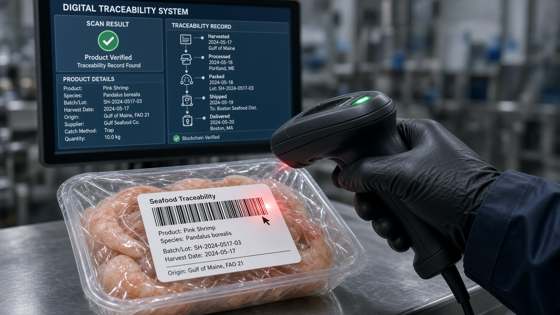
Training seafood counter staff well makes a visible difference to you as a customer, because the person behind the case decides how your fish is handled, cut and explained. A trained team keeps raw and cooked items apart, knows one fish from another and can say how to store and cook what you buy.
What training seafood counter staff should cover
- Food safety: hand washing, glove changes, cleaning and sanitizing boards and knives, keeping raw and ready-to-eat foods apart and keeping fish cold. In the United States, seafood processors follow FDA seafood HACCP principles, and retail rules are set by local and state authorities.
- Species knowledge: names, flavor and texture, best cooking methods, wild versus farmed, and look-alike species.
- Freshness checks: clear eyes on whole fish, bright flesh, mild smell and firm texture.
- Allergen awareness: fish and shellfish are major allergens, and cross-contact must be avoided.
- Customer service: honesty, patience and the confidence to say "I'll find out."
Training seafood counter staff: quick ways to test knowledge
You do not need to quiz anyone, but a few natural questions show a lot. Ask what is freshest today and why. Ask whether the salmon is wild or farmed, and where it came from. Ask how to cook a fish you have not tried. A trained person gives an answer that is specific, not vague. Our guide to questions that reveal quality and sourcing offers more ideas.
Why training seafood counter staff matters for safety
Seafood can carry hazards if mishandled, including bacteria that grow when fish is warm and substances such as histamine in some fish that have been held at poor temperatures. Trained staff know to keep fish cold, discard questionable product and keep records. If you have a seafood allergy, tell staff before you order and ask them to use clean gloves and a clean board, and consider whether a shop that mixes fish and shellfish at one counter is safe for you. For more on handling, see cross-contamination risks in seafood handling.
Signs the training is paying off
- Staff wash hands or change gloves between tasks and between raw and cooked items.
- Labels are accurate, and species names are correct.
- Staff can tell you whether a fish was previously frozen.
- They suggest alternatives if the fish you wanted is not at its best.
- Wrapping is neat and leak-free, and they offer ice if you have a long trip.
What to do if you see poor practice
If you see staff handling raw and ready-to-eat items with the same tools, touching money and then fish without washing, or selling fish that smells off, choose another shop and consider telling the manager. Serious concerns can be reported to your local health department. The FDA's selecting and serving seafood safely page lists signs of quality to check yourself.
Shops that invest in training seafood counter staff tend to have better fish, cleaner counters and more helpful answers. Reward them with your business, and use the questions above to get the best from each visit. For the bigger picture, read what a well-staffed fish counter does for you.