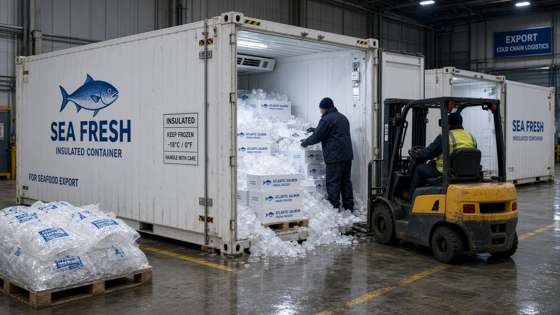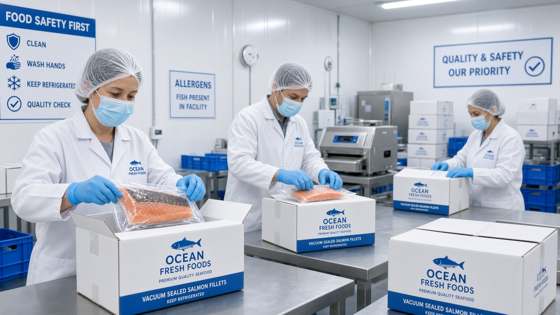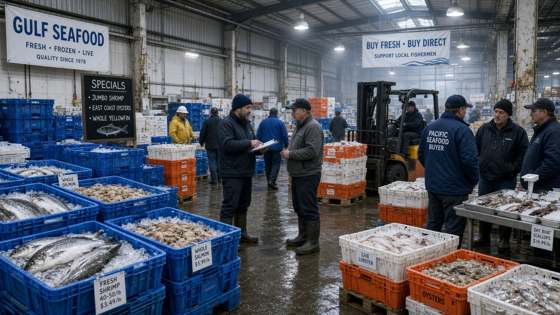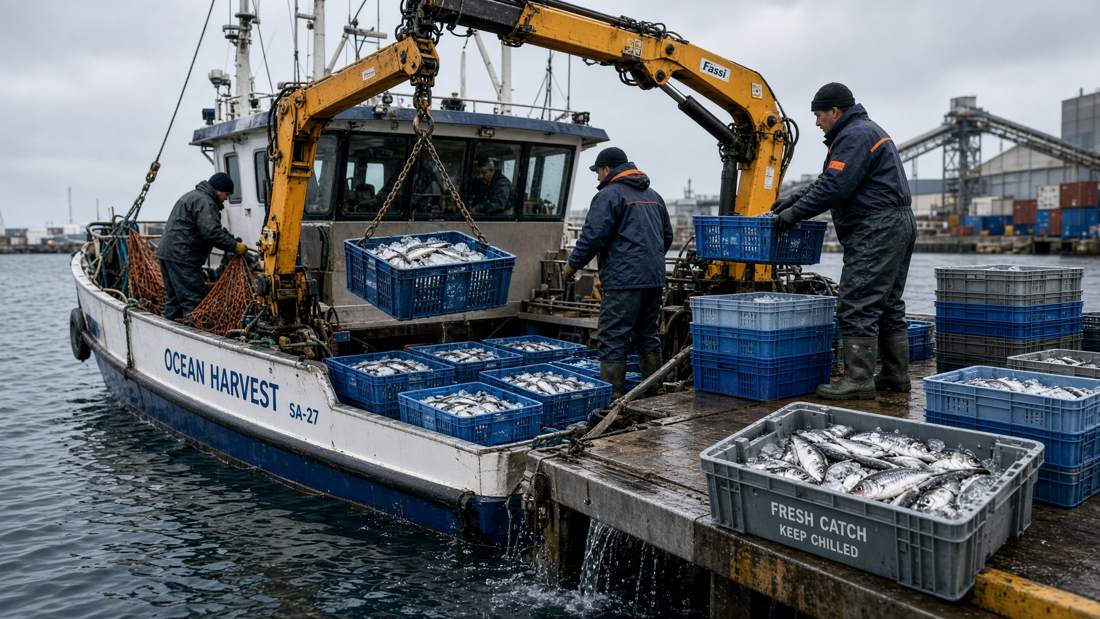
Last-mile delivery of perishables is the final trip from a local depot to your front step, and for seafood it is the riskiest stretch. The fish may have been perfectly chilled for days, then sit in a hot van or on a sunny porch for the one hour that matters.
Where last-mile delivery of perishables goes wrong
Most delays are small and ordinary: a driver who cannot find a gate, a customer who is out, a van parked in sun while stops are made. Seafood is less forgiving than many foods because fresh fish spoils quickly once it warms. The FDA's safe food handling guidance advises discarding perishable food that has been out of refrigeration for more than two hours, or more than one hour when the temperature is above 90 F.
Why last-mile delivery of perishables is hardest in summer
Hot weather shortens the time an insulated box can protect its contents. A box left in direct sun can warm much faster than one in shade, and a metal porch or doorstep can add heat. If you live somewhere with hot afternoons, choose morning delivery and avoid ordering on days with extreme heat in the forecast, if the seller allows rescheduling.
How to make delivery work for you
- Choose the earliest slot and a day you will be home.
- Set up a shaded, safe spot and tell the driver where to leave the box, if you must be away.
- Watch for the delivery text and collect the box as soon as it arrives.
- Open it immediately and check how cold the contents are.
- Move everything into the refrigerator or freezer straight away.
What to check at the door
Fresh fish should feel cold, with ice or gel packs still cold. Frozen seafood should be firm all the way through. A clean, mild sea smell is normal for fresh fish, while a sour, sharp or ammonia-like smell is not. Our page on spoilage signs you should never ignore lists what to watch for.
If the box is warm inside or the contents are soft, contact the seller the same day with photos. Do not taste-test seafood you doubt, because many of the bacteria and toxins that make people ill do not change the smell.
Ask about a backup plan
A good seller will have a stated policy on late or warm deliveries and will explain whether they ship early in the week to avoid weekends in transit. Our guide to buying seafood online lists more questions to ask before you pay.
Storing it right afterward
Keep the refrigerator at 40 F or colder and the freezer at 0 F, as the FDA recommends on its refrigerator thermometer page. Fresh fish should be cooked or frozen within a day or two of arrival, so plan dinner around it.
The weakest point in last-mile delivery of perishables is often the time between the box landing and the shopper opening it, so being ready for the drop is the single most useful thing you can do.