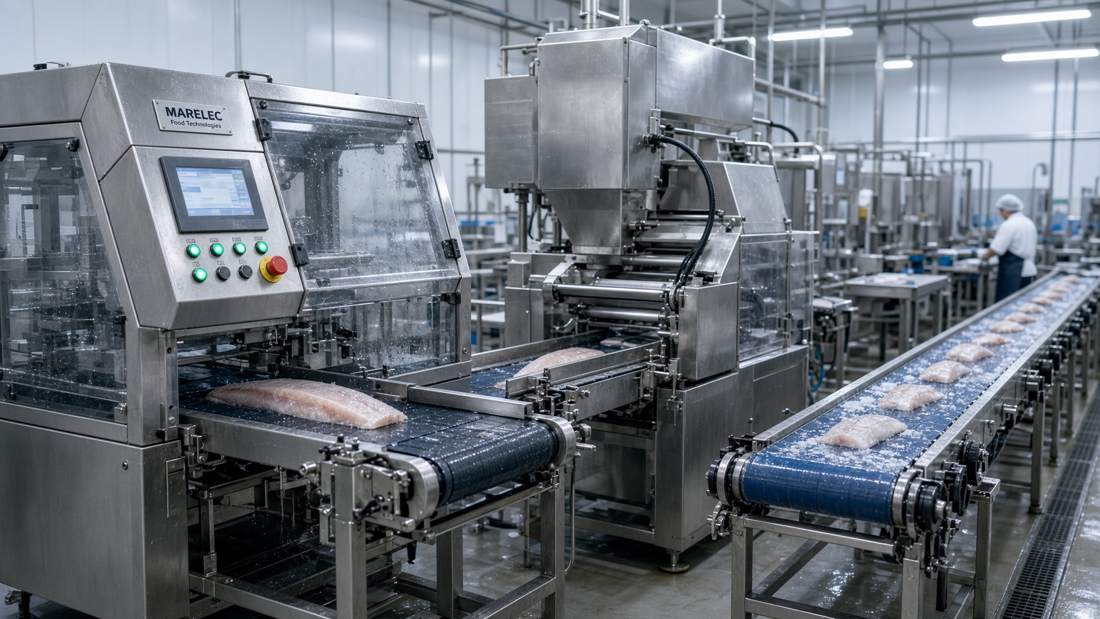
Energy costs in seafood retail are one reason fresh fish can be pricier than shelf-stable foods. Keeping fish cold around the clock takes electricity for coolers, display cases, freezers and ice making, and that cost is built into what you pay. Understanding it helps you shop with realistic expectations and manage your own cold storage more cheaply.
Where energy costs in seafood retail show up
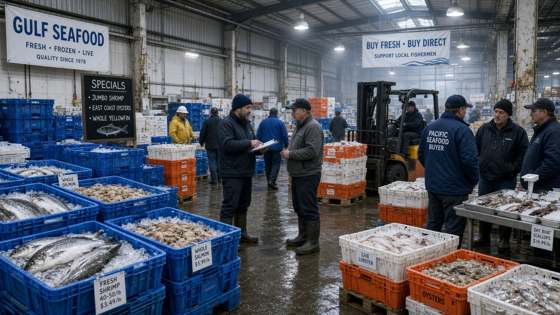
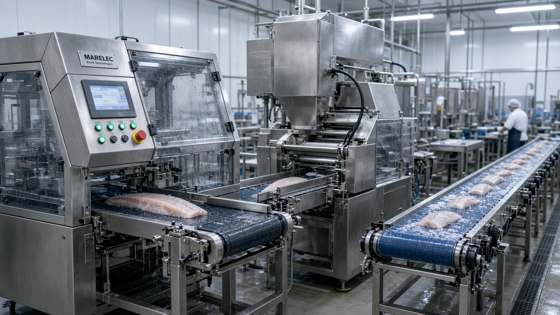
A seafood seller runs cold equipment all day and night, because fish cannot be allowed to warm up. Refrigeration, freezers, ice machines, lighting over cases and sometimes live tanks all draw power. A shop may also pay for air conditioning in the staff area and for washing equipment with hot water. These costs do not appear as a line on your receipt, but they are part of the price per pound, along with labor, rent and fish that does not sell. Our article on how a seafood retail business plan affects your price shows how those pieces add up.
What energy costs in seafood retail mean for prices
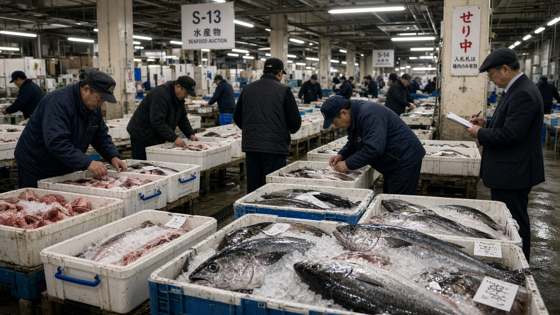
Prices vary by shop for many reasons, so a higher price is not proof of bad value, and a lower price is not proof of a bargain. Look at the whole picture: how fresh the fish is, how knowledgeable the staff are, whether the case is clean and cold and whether the seller is willing to explain where the fish came from. Frozen fish often carries lower holding costs per day than fresh, and the FDA's guide to selecting fresh and frozen seafood notes what to look for in each.
Saving energy with your own fridge and freezer
- Set temperatures correctly: the FDA advises 40 F or below for the fridge and 0 F for the freezer. Colder than necessary wastes power.
- Keep the freezer reasonably full, since frozen food helps hold the cold, but do not block airflow.
- Do not leave doors open while you decide what to take out.
- Let hot food cool a little before refrigerating, but do not leave perishable food out for long.
- Clean condenser coils and check door seals, as described in refrigeration maintenance schedules.
- Place the appliance away from ovens, sunny windows and dishwashers' heat.
Choosing an efficient freezer
If you are buying a freezer for fish, compare the energy label or ENERGY STAR certification, and think about size. ENERGY STAR lists certified models on its freezers page. Chest freezers are often efficient because cold air stays put when you open the lid, while uprights are easier to organize. Choose the capacity you will actually use, because a large, half-empty freezer wastes money. For a refresher on thermometer use, see the FDA refrigerator thermometer page.
Smart buying to reduce your own cold-storage load
Buy fish on the day you plan to cook it, or freeze it promptly. Portion fish before freezing so you thaw only what you need, and thaw in the fridge rather than refreezing repeatedly. Each of these habits reduces waste, which is a hidden cost of every kitchen. Our guide to thawing seafood safely shows the safest methods.
The next time a price at the counter makes you wince, remember that energy costs in seafood retail are one real part of it, and put the same thinking to work at home with a well-placed, well-maintained and sensibly sized fridge and freezer.