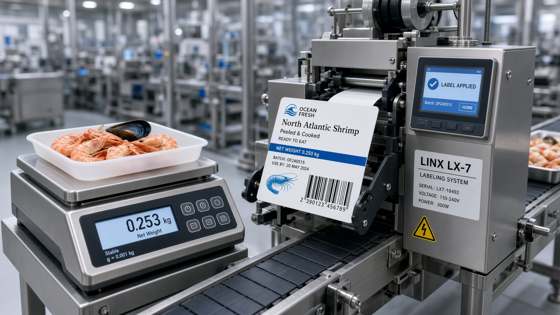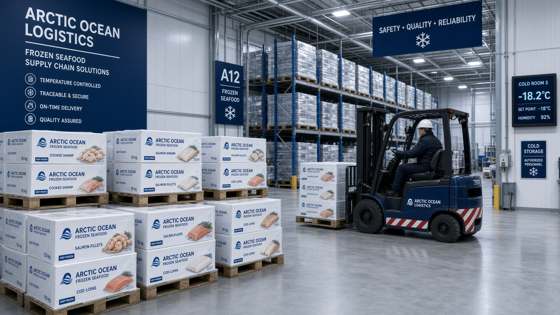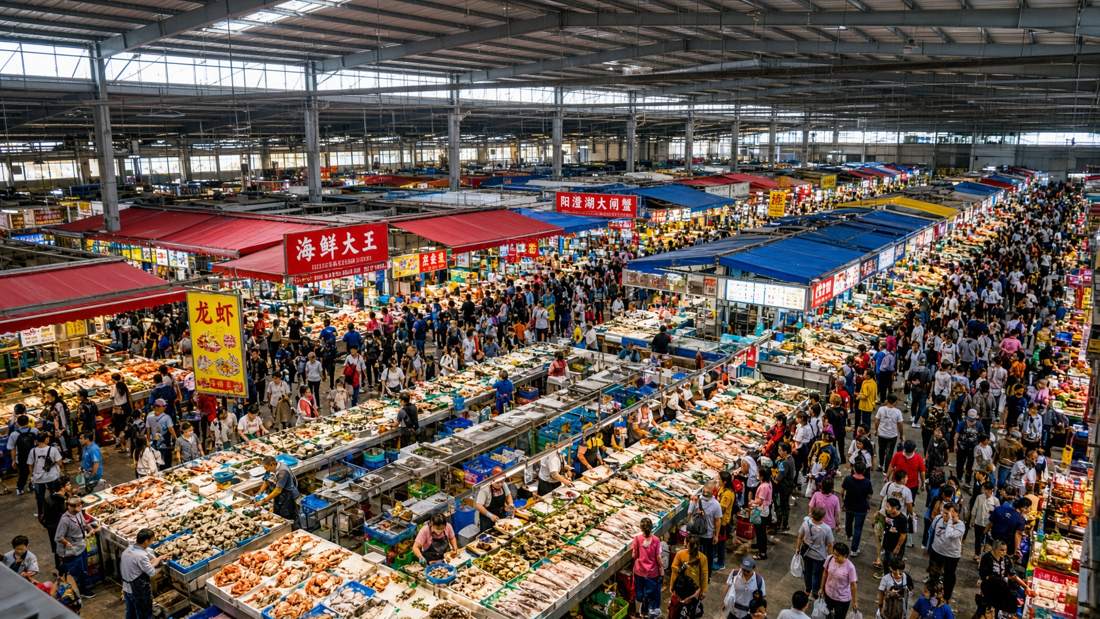
Imported seafood makes up a large share of what Americans eat, and every shipment has to clear paperwork and inspection before it reaches a store or a delivery box. Understanding that process helps you read labels and ask better questions at the counter.
What happens at the border
When a shipment of seafood enters the country, the importer files documents describing the product, and customs brokers often handle that paperwork for them. The FDA reviews food entries and can examine, sample or hold shipments. The agency also applies its seafood safety rules, described on its seafood HACCP page, to importers as well as domestic processors.
Why imported seafood can be delayed
A hold can happen when documents are incomplete, when a shipment is selected for sampling or when product needs further review. Delays can affect frozen products less than fresh ones, and sometimes show up as shortages or price changes. Shoppers rarely see this directly, but you may notice an out-of-stock item.
Imported seafood at the counter
Retail seafood generally carries country-of-origin information, and the USDA explains the rules on its country of origin labeling page. The label can also say whether the fish is wild-caught or farm-raised. Our article on country of origin labeling goes into more detail.
- Read the origin on the package or sign. If it is missing, ask.
- Do not assume imported means lower quality. Quality depends on handling, freezing and the producer, not the passport of the fish.
- Do not assume domestic means better. Look at freshness and storage, whatever the source.
- Ask whether the fish was previously frozen. Many products are frozen at sea or at the processor and thawed for sale.
How to shop wisely
Imports are not a risk category to avoid. Shrimp, tuna, salmon and many other popular products are widely imported, and many are frozen soon after harvest, which can protect quality. What matters is how the fish was handled after that and whether the seller can tell you what it is. If the price of a fish seems far too low for the species named, that is worth a question. Compare with a similar product, and look at the package for the species name, origin and any certification logos.
Choose a seller that is open about sourcing. If a label claims a specific species, you can compare it with the market name lists, and our piece on avoiding fraudulent seafood substitution explains what to watch for. Check the freshness cues at the counter, and keep fish cold on the way home.
What about safety
The FDA publishes consumer guidance on which fish to choose, including advice for pregnant women and young children, on its advice about eating fish page. That guidance applies whether the fish is domestic or imported.
The key point about imported seafood is that border checks are one layer of protection, and your own checks on labels, smell, temperature and storage are the layer you control.