Seafood catering is one of the most appealing choices for a wedding, birthday or business dinner, and also one of the trickiest to get right, because fish and shellfish are perishable and prices swing. Hotels and caterers buy seafood through specialist suppliers, and what they pay and how they handle it affects what your guests eat. These are the questions and checks that protect your event.
How hotels and caterers source seafood
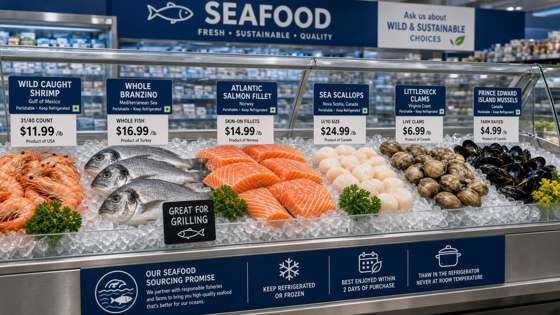
Kitchens that serve large groups usually order from wholesale suppliers on a schedule, often with set specifications for species, size and form. They want consistent portions, so frozen portion-cut fish, farmed salmon and frozen shrimp are common. Premium items such as lobster, oysters or whole fish are usually ordered closer to the event date. Because of this, seafood often costs more per head than chicken or pork, and menu prices respond to market changes. See how wholesale seafood pricing works for what drives those costs.
What to ask when booking seafood catering
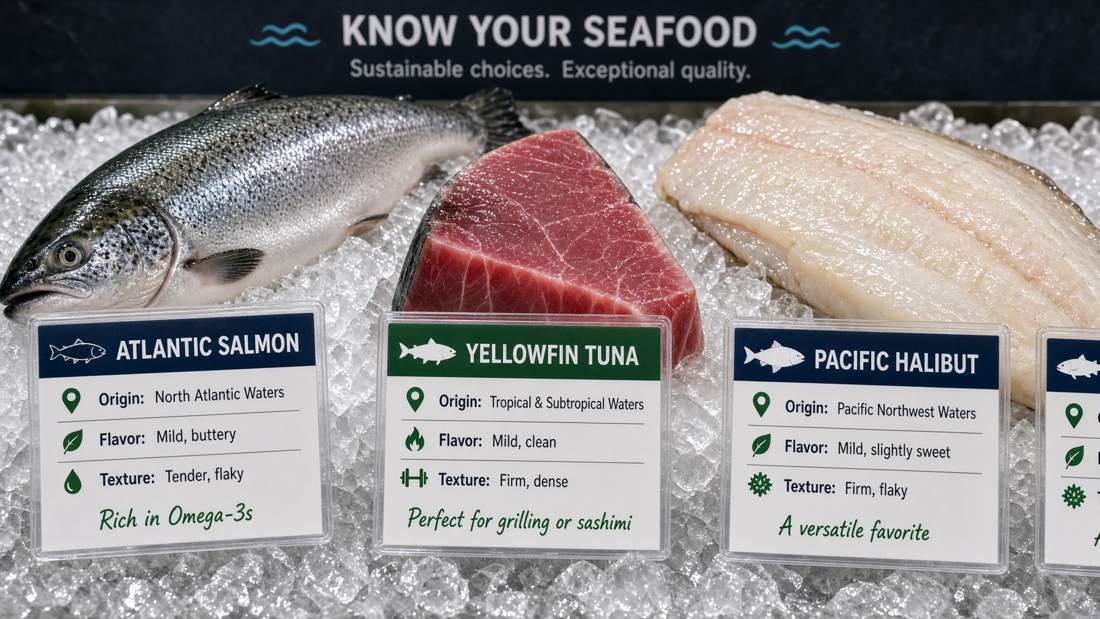
- What species and form? "Fish of the day" is not enough. Ask for the species, whether it is wild or farmed, and whether it is fresh or frozen.
- How is it stored and transported? Seafood must be kept cold from delivery through service. Our guide on the cold chain from boat to plate explains why.
- How is it cooked and held? Fish held in a warming tray for long periods dries out. Ask about cooking close to service time, or choose dishes that hold well such as braises, chowders and baked fish.
- What about raw items? Oysters, sushi and ceviche carry more risk. The FDA advice about eating fish is useful for guests who are pregnant, elderly or have weakened immune systems. Ask for a cooked alternative.
- How are allergies handled? Fish and shellfish are major allergens. Ask how the kitchen separates them and labels dishes.
- Is there a backup? If the main fish is unavailable, what will replace it, and at what price?
Seafood catering costs and how to manage them
What pushes the price up
Shellfish, premium fillets, raw bars, live stations and menus timed with holiday demand cost more. Staffing and equipment for cooking on site also add charges.
Ways to keep seafood catering affordable
- Choose a sturdy fish such as salmon, cod or haddock rather than a delicate or scarce species.
- Use shrimp or mussels as part of a dish rather than as the whole entree. Mussels are often inexpensive.
- Book outside peak holiday dates if you can.
- Offer a small seafood starter and a different main course.
- Ask which species are in best supply for your date; see seasonal pricing fluctuations.
Checking quality at a tasting
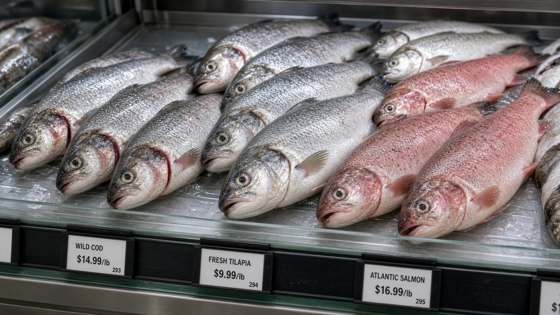
Ask for a tasting of the exact fish dish you plan to serve. Fish should smell clean, flake gently and taste of the sea without sharpness. Shrimp should be firm, not mushy. Check recognizing freshness in fish for signs to look for.
Sustainability and sourcing
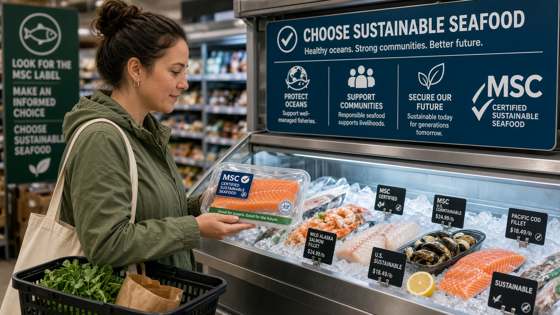
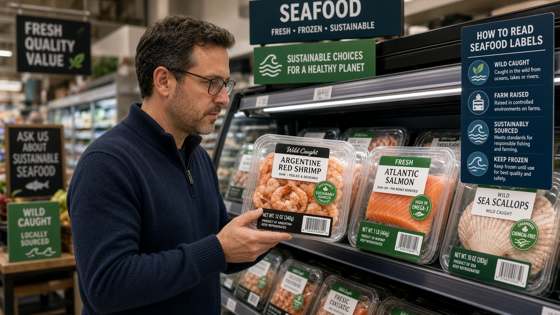
If it matters to you, ask whether the caterer can offer seafood from certified or well-rated sources, such as options listed by Seafood Watch. Many caterers can accommodate this if asked early.
Planning seafood catering with hotels and caterers is easier when you ask direct questions and agree on the species, the cooking method and the backup in writing. Do that, and the fish can be the highlight of your event rather than the worry.