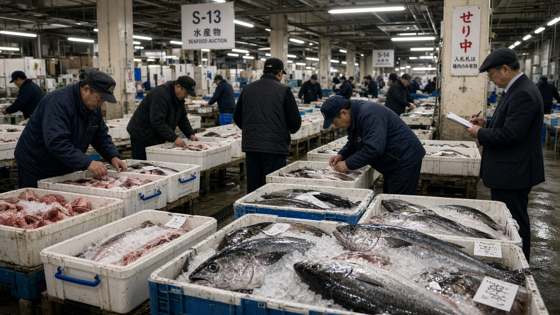
Display ice machines compared side by side come down to one idea shoppers can use: the shape of the ice changes how well it protects fish. Fish shops use ice machines to make the bed that holds whole fish, fillets and shellfish, and learning what good ice looks like helps you judge the shop and ice your own fish at home.
Display ice machines compared: flake, cube and nugget
Seafood shops generally use one of a few types. Flake ice is soft, small and thin, so it packs closely around fish and cools evenly without bruising delicate flesh. Cube ice is harder and bulkier, leaving gaps and sometimes pressing on soft fillets. Nugget or chewable ice sits in between. Many fish professionals favor flake or finely crushed ice for display because it surrounds the fish. You do not need to know the machine brand; you need to judge the result.
What good ice from display ice machines looks like at the counter
- It is plentiful, clean, white and free of debris, and it is replenished through the day.
- Whole fish are nested into the ice and fillets rest on a tray or paper layer above or within it, not sitting in standing water.
- Melt water drains away instead of pooling around the fish.
- Shellfish such as clams, mussels and oysters stay cold but are not submerged in fresh water, which can kill them.
- Ice does not look gray, slimy or discolored.
Why ice quality matters to you
Ice is food contact material when it touches your fish, so it should be made from clean water and kept clean. Our article on why ice quality matters goes deeper. A shop that cares about its ice usually cares about the rest of its hygiene. The government-run FishWatch site is a good companion for choosing what to buy. To check how long fish can safely stay on ice yourself, see how long seafood can stay on ice.
Icing fish at home and on the way
You do not need a machine at home. A cooler or tray with crushed ice, a drained rack or colander so the fish does not sit in meltwater and a lid will do. Wrap fish in plastic or place it in a sealed bag first so it does not get waterlogged, then bury it in ice. Replace ice as it melts. The FDA recommends keeping refrigerated foods at 40 F or below; see the FDA refrigerator thermometer page for why checking temperature matters.
Buying a home ice maker or ice trays
Standard freezer trays and fridge ice makers produce cubes that you can crush in a clean bag with a mallet or rolling pin. If you often ice fish, such as after a fishing trip or when buying whole fish for a party, a bag of bagged ice from a store is usually the simplest solution. For longer trips, use an insulated cooler with a drain plug and keep it shaded.
When you compare display ice machines, remember the bottom line for shoppers: clean, plentiful, fine ice with good drainage is a mark of a careful seller, and the same principles keep your own fish cold between the shop and the stove.