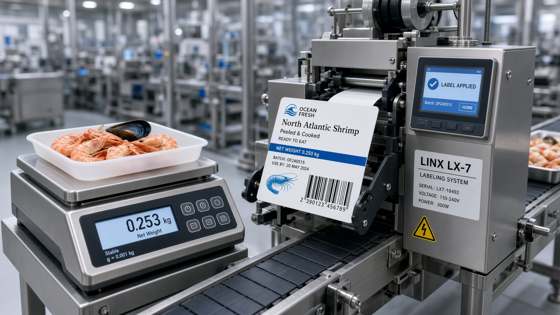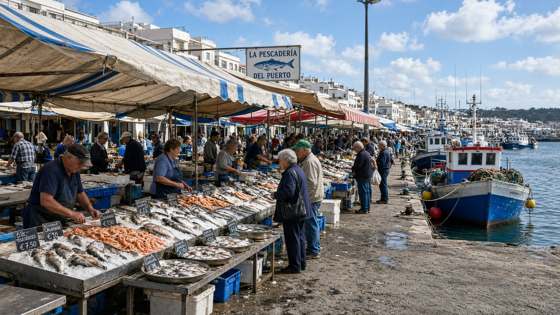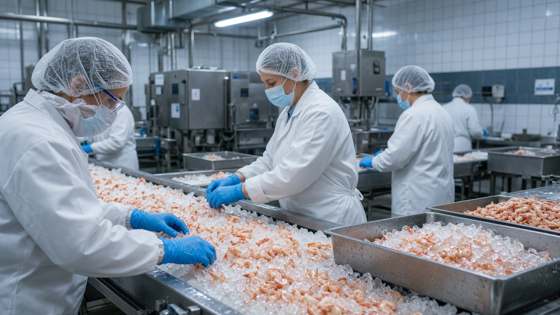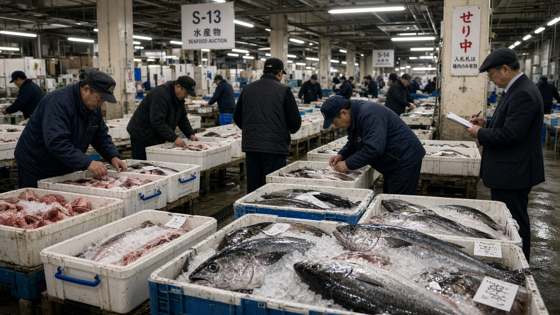
The seafood shop location you choose tells you more about your dinner than you might expect. A shop near a working dock may get fish within hours, while one in a busy mall relies on distributors and trucks. Neither is better or worse by default, but understanding how location shapes freshness helps you pick where to buy and how to plan the trip.
How seafood shop location affects what you buy
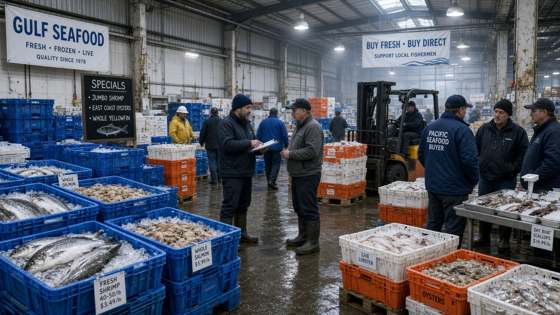
Shops on the coast or near fishing ports can sometimes buy directly from boats or small dealers, which can shorten the time from catch to counter. Inland shops depend more on distributors and refrigerated transport, and many do it very well. What matters most is how quickly the fish sells and how well it was kept cold along the way, not the zip code alone. Read our piece on the cold chain from boat to plate to see why.
Judge a seafood shop location by turnover, not just proximity
A busy shop in a city can move product faster than a quiet shop on the waterfront. Signs of good turnover include a steady stream of customers, a case that is stocked but not overfilled and staff who can tell you what came in today. A shop that restocks often is usually safer than one with a beautiful display that never changes.
Fish markets, supermarkets, farmers markets and online
- Independent fish shops: usually the most knowledgeable staff and the most willingness to cut to order.
- Supermarket counters: convenient, often good prices, and many also carry frozen products with clear labels.
- Dockside and farmers market sellers: excellent when well chilled, but ask about storage and where the fish came from.
- Online and delivery: useful when no good shop is nearby; check how it ships and keeps product cold.
Getting fish home when your shop is far away
Distance matters because fish should stay cold on the trip. The FDA recommends keeping refrigerated foods at 40 F or below, which you can read about on its page on refrigerator thermometers and cold food safety. Bring a cooler bag and ice packs, buy the fish last on a shopping trip and go straight home. Our guide to transporting seafood in your car has more tips for hot days and long drives.
Visit at the right time
Ask your shop which days its main deliveries arrive and shop soon after. Mid-morning on a delivery day usually offers the widest choice, while the end of the day can bring markdowns on fish that must sell quickly. If you want a specific item, such as a whole fish or a dozen oysters, call ahead and ask the counter to hold it. Many shops are glad to do so, and it saves a wasted trip. The government site FishWatch is useful for deciding what to ask for, since it describes dozens of U.S. species and how they are caught or farmed.
Questions to ask any shop, wherever it is
- When did this fish arrive, and where did it come from?
- Has it been frozen before?
- Can you pack it with ice for a long trip?
- Which fish are best today?
The best seafood shop location for you is the one you can reach regularly, where the fish moves fast, staff share information and your trip home keeps everything cold. Pick that, and the rest of the shopping gets easier.