Reading a seafood invoice carefully takes two minutes and often catches a mistake or a fee you did not expect. Whether you buy from a shop, a market stall or an online store, the paperwork tells you what you paid for and gives you evidence if there is a problem.
The lines that matter when reading a seafood invoice
- Item description, such as species, cut and whether it is wild or farmed, fresh or frozen.
- Quantity and weight, shown in pounds or ounces.
- Unit price, usually per pound.
- Line total, which is weight times unit price.
- Shipping, handling or packaging fees on online orders.
- Tax, where it applies, which varies by place and product.
- Discounts or credits.
How to check the maths when reading a seafood invoice
Multiply weight by unit price and compare it with the line total. Small rounding differences are normal. A large gap is worth a question. Then add up the lines and check the total. For online orders, divide the full cost, including shipping, by the pounds you received to see the real price per pound, which is the number to compare between sellers.
Common surprises
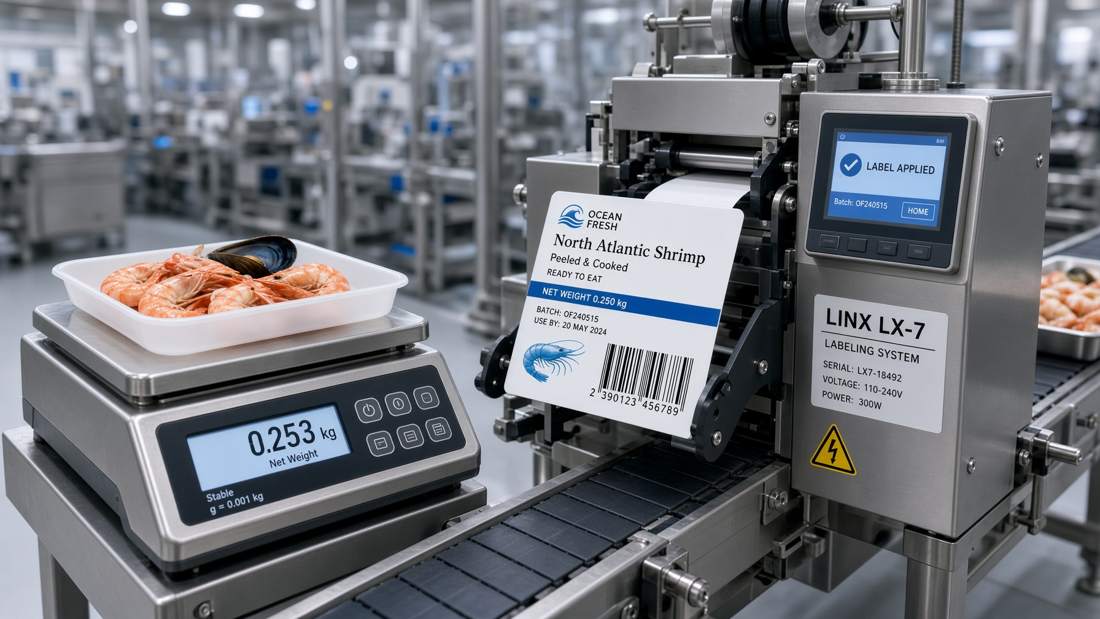
Weights can differ from what you ordered. Fish is cut by hand, so a portion listed as one pound may weigh slightly more or less, and the price adjusts. Some online sellers list an approximate weight and bill the actual weight. Read the notes on the product page. Frozen products may be sold with a glaze of ice, which adds weight, so check whether the stated weight is net. See seafood receipts and scales for more on how weights work.
Substitutions
If an item was out of stock, the order confirmation should say what replaced it. Check the species and the price. A swap for a cheaper fish without a price change is a fair reason to ask for a credit. Our article on avoiding fraudulent seafood substitution explains why accurate naming matters.
Keep your records
If you buy imported or specialty products, the label should show the country of origin, and the USDA explains the rules on its country of origin labeling page. Compare the invoice line with the label so you know the item you were billed for is the item you received.
Keep the confirmation email or receipt until the fish is eaten. If an order arrives warm or is wrong, you will need it, along with photos. The FDA's safe food handling advice says perishable food should not stay out of refrigeration beyond two hours, or one hour in hot weather, so act the same day. Records also help if you are budgeting for seafood, since you can see which items cost the most per portion.
Make a habit of reading a seafood invoice before you put the fish away, and you will spot errors quickly, understand where your money goes and have the proof you need if you ever have to ask for a refund.