The future of aquaculture technology will shape the seafood you buy over the next decade: how fish are fed, how farms monitor animal health, where they are located and how much they cost. Not every innovation will succeed, so it helps to know which ideas are practical and what to watch for.
The future of aquaculture technology starts with smarter monitoring
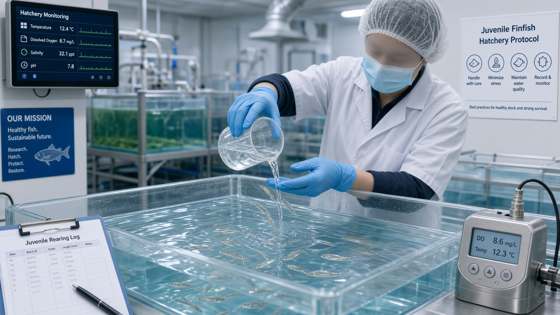
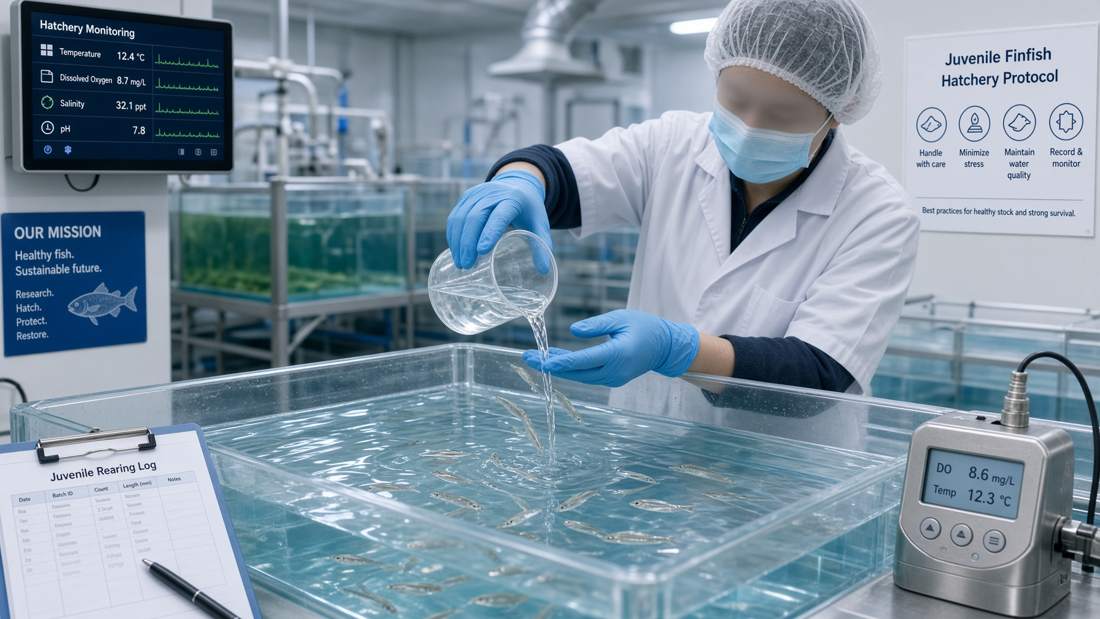
Sensors in the water track oxygen, temperature and other conditions, and cameras and software help farmers see how fish are eating and spot problems early. Better monitoring can mean fewer losses, less wasted feed and fewer medicines, which can help keep prices steady. It also supports traceability, so a product can be linked to the farm and harvest that produced it.
Feeds and ingredients
Feed is a major cost and environmental factor for fed species. Researchers and producers are using more plant-based ingredients, microalgae, insect meal and trimmings from seafood processing in place of wild-caught fish; see alternative proteins in aquafeed and feed formulation for farmed fish. For shoppers, the main benefit is less pressure on wild forage fish, and the main question is whether the fish keeps its flavor and nutrition, which depends on feed design.
The future of aquaculture technology in farm design
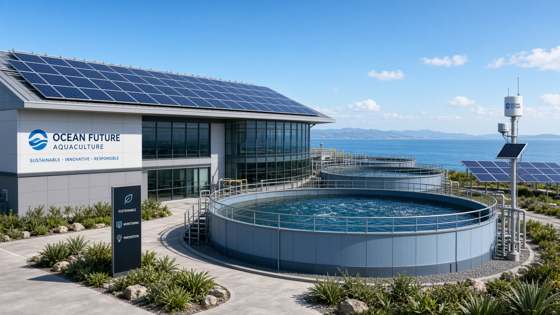
- Land-based systems. Recirculating tanks allow farms close to cities and avoid escapes; see recirculating aquaculture systems.
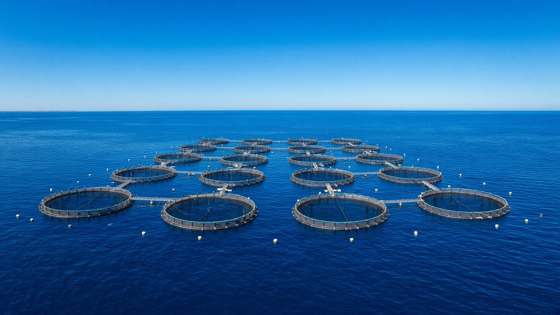
- Offshore farms. Stronger pens in deeper water aim to reduce local impacts and open more space; see offshore aquaculture.
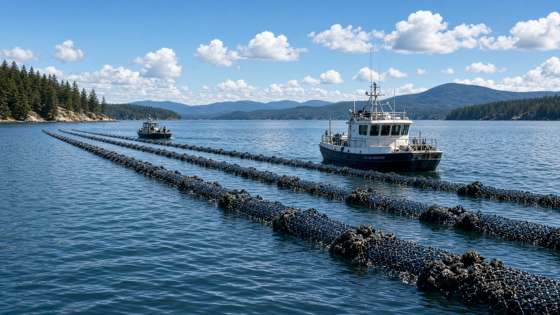
- Multi-species farms. Combining fish, shellfish and seaweed uses waste as a resource.
- Renewable power. Solar and wind help cut footprint on farms.
Breeding and health
Breeding programs continue to improve growth and disease resistance, and vaccines are expanding for more species. Gene-editing and genetic engineering are being researched and regulated differently around the world, so labeling rules may differ. Check current rules and product labels if this matters to you.
What it could mean for shoppers
- More local options. Indoor farms may supply fresh fish in regions far from the coast.
- More variety. New species and products will appear, though some will be premium priced.
- Better transparency. Digital tracking can allow QR codes or lot numbers that show origin.
- Lower footprint, in some cases. Improved feeds and energy use can cut impacts, but results vary by farm.
How to evaluate new products
Ask where and how the product was raised, what it was fed, and whether an independent standard applies. Look at the Aquaculture Stewardship Council and Seafood Watch for current standards and ratings, and check the FDA advice about eating fish for health guidance. Be cautious of marketing that promises a breakthrough without details.
What will not change
Whatever the technology, the person at the counter remains your best source of information. Ask when the product arrived, how it was stored and what the farm or fishery is. A seller who knows the answers is usually handling the product well too.
Basics will still apply: buy from sellers you trust, keep seafood cold, cook fish to 145 F (63 C) and rotate species. New technology cannot replace freshness and good handling.
The future of aquaculture technology promises more efficient and traceable seafood, and the best way to benefit is to stay curious, compare labels and judge each new product by its evidence.