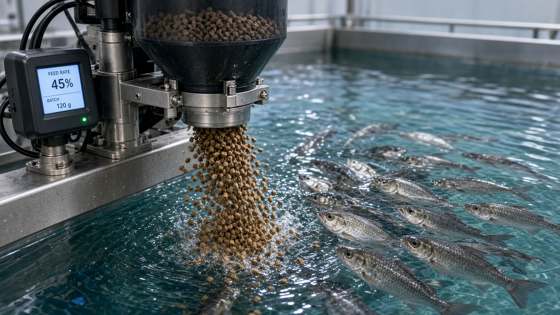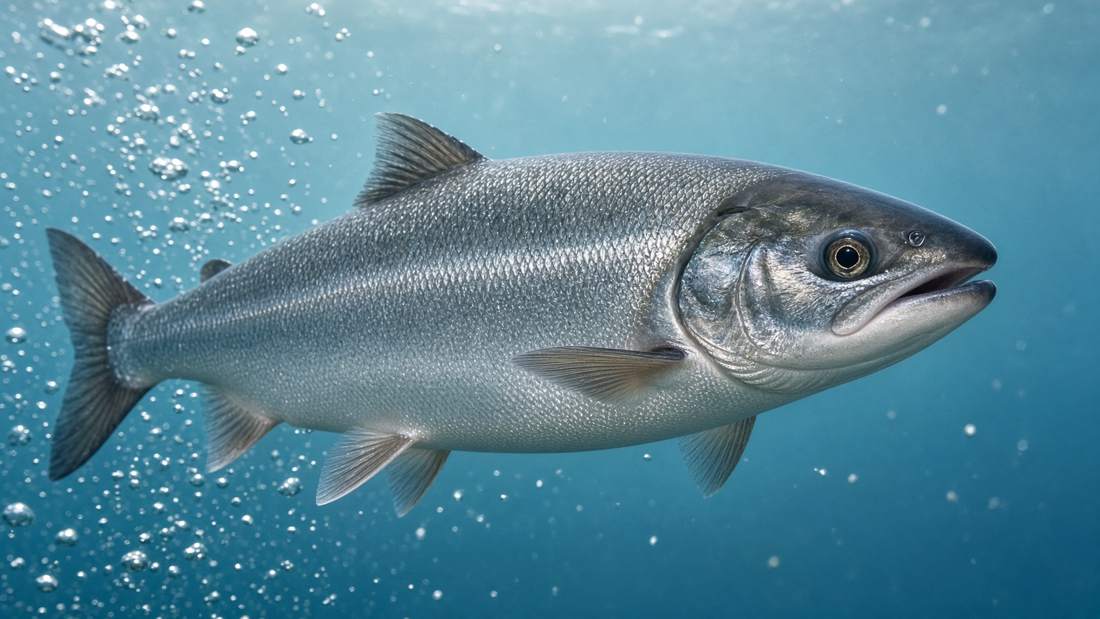
Alternative proteins in aquafeed are new or lesser-used ingredients that replace some of the fishmeal and fish oil traditionally fed to farmed fish. You may start seeing claims on packages, such as "fed with algae oil" or "raised on insect-based feed." Here is what those ingredients are, and what they could mean for the fish you buy.
Why alternative proteins in aquafeed are growing
Traditional feeds for many farmed fish use fishmeal and fish oil from wild-caught forage fish. Relying on them has raised concerns about pressure on wild stocks, along with cost and supply limits. So feed makers have been replacing part of the fishmeal and oil with other ingredients while keeping the fish healthy and nutritious. Our article on feed formulation for farmed fish describes the basics.
The main alternative ingredients
Plant proteins and oils
Soy, peas, wheat gluten, corn gluten and canola oil are widely used. They are affordable and available, but they do not contain the long-chain omega-3 fats found in fish, so feed makers may add those back in another way.
Microalgae oil
Fish get their omega-3s (EPA and DHA) from marine algae at the base of the food chain. Oil from cultivated microalgae can supply the same fats directly, which lets farms keep omega-3 levels up without as much fish oil.
Insect meal in aquafeed
Meal made from insects such as black soldier fly larvae is used as a protein source, sometimes grown on food by-products. It is still a small part of the market, and costs can be high.
Single-cell proteins
These are proteins made from bacteria, yeast or similar microbes grown in controlled fermentation. They are a developing option, and availability and cost vary.
Animal by-products
Poultry by-product meal and other processing by-products are used in some feeds and put otherwise discarded material to work. Rules about what can be used differ by country.
What it means on your plate
- Taste: in well-formulated feeds, farmed fish taste normal. Diet can change fat content and richness slightly.
- Nutrition: omega-3 levels depend on the feed. Products that mention algae oil or marine ingredients may keep levels higher. Read our omega-3s guide.
- Sustainability: less reliance on wild forage fish is generally seen as a plus, but impact also depends on how other ingredients are grown, such as soy.
- Price: novel ingredients can raise costs, so premium claims may come with premium prices.
How to judge feed claims
- Look for specifics: which ingredient, and how much of the feed it makes up.
- Check third-party standards, such as ASC, which include feed requirements.
- Check the product's rating on Seafood Watch.
- Be cautious of vague wording such as "natural" or "eco feed."
For wider context see alternative feeds and sustainability.
What the science still needs to show
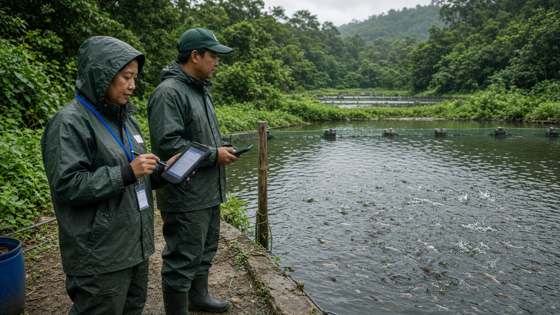
Many alternative ingredients are promising but new, and results differ among species. Carnivorous fish such as salmon have more specific needs than omnivores such as tilapia, so a feed that works well for one may not suit another. Researchers and feed companies continue to test growth, health and flesh quality. For shoppers, the sensible approach is to treat claims as a signal to ask questions, not as proof of better fish.
Will it change what you pay?
Not necessarily. Some novel ingredients cost more than conventional ones, while others, such as plant proteins, can be cheaper. Retail prices depend on many factors, including the farm, the species and the market, so you will not usually see the feed reflected directly at the counter.
Alternative proteins in aquafeed are changing how fish are raised, and with a few questions about ingredients and certification, you can tell real progress from marketing talk and pick fish that fits your values and your taste.