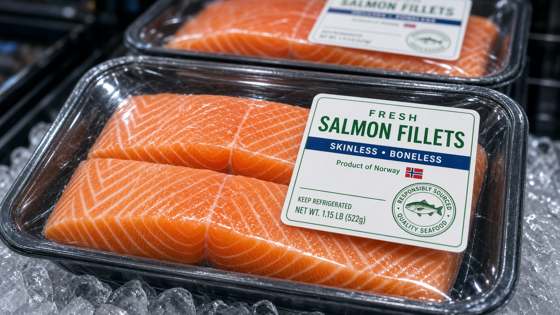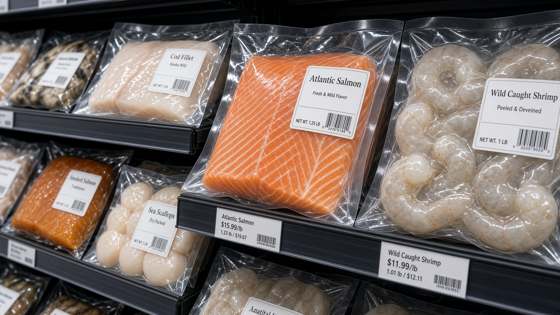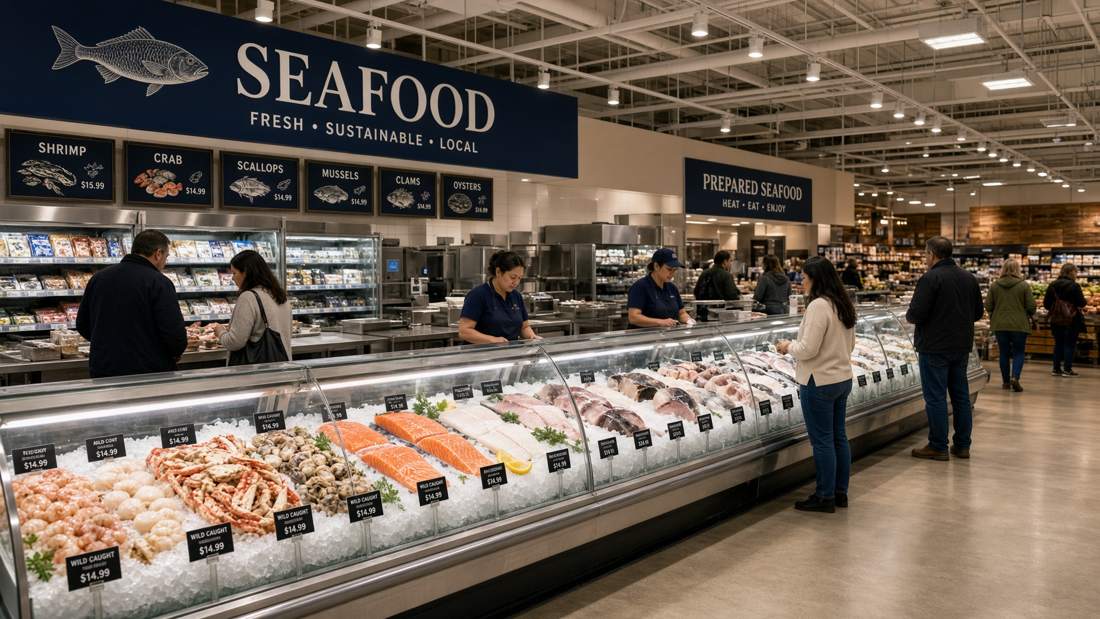
Seafood certification and transparency are often lumped together, but they do different jobs, and understanding the difference helps you judge any chain. A logo tells you that an independent body assessed a fishery or farm. A transparency effort tells you what a retailer buys, from where and under what rules. You want both, and chains vary in which they offer.
Seafood certification and transparency: what a logo gives you
The MSC explains on its blue fish label page that independent assessors check a wild fishery against its standard, that certified fish is kept separate and tracked at every step to the shelf, and that businesses handling it are usually audited yearly. That is a strong, checkable system for the question it addresses. The MSC also says its label covers environmental performance only and certifies a specific fishery rather than a whole company, and that farmed-only operations are outside its scope.
The limits of seafood certification and transparency
- Labour and social conditions. The MSC states these are not covered; other programs such as Fair Trade USA focus on them.
- Scope. A chain can sell many certified products and still sell many uncertified ones. Look at the share, not just the logo.
- Challenges. In August 2026, a lawsuit against Amazon alleged that the MSC logos and sustainability wording on its seafood were misleading. Supermarket News reported that the MSC declined to comment on the litigation but said it stands behind its program. The case is ongoing and the claims are allegations.
What transparency gives you
Transparency is the public record of what a chain does: dated targets, percentages, supplier rules and shortfalls. Sainsbury's, for instance, publishes on its seafood sourcing page both its certified shares and its distance from a 100% target. At the other end, Greenpeace's 2025 tuna report describes Trader Joe's public documentation as scant, and notes Trader Joe's does not use certification schemes but says it holds vendors accountable. Our article on the transparency gap shows how disclosure programs work.
Is there really a paradox?
The idea that more certification means less transparency is not supported by the evidence we found. The chains with the strongest public records, such as Sainsbury's and Whole Foods, combine both. What does exist is a gap: a logo can sit on a pack from a chain that publishes little else, and a chain can publish plenty without third-party logos. Neither alone is complete.
How to judge both together
- Check the pack for a logo that matches wild (MSC) or farmed (ASC) status.
- Check the chain's website for dated targets, percentages and named standards.
- Note whether the chain reports shortfalls as well as successes.
- Look the species up on Seafood Watch.
Read more about decoding packs in our label decoder, and about how the word "sustainable" is used in our counter guide.
The balanced view of seafood certification and transparency is that they complement each other. Buy what carries a credible logo, favour chains that publish clear numbers, and ask questions when either is missing.