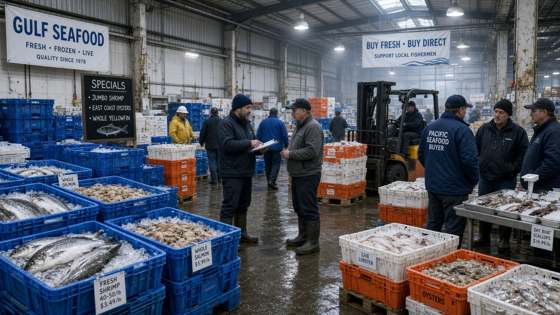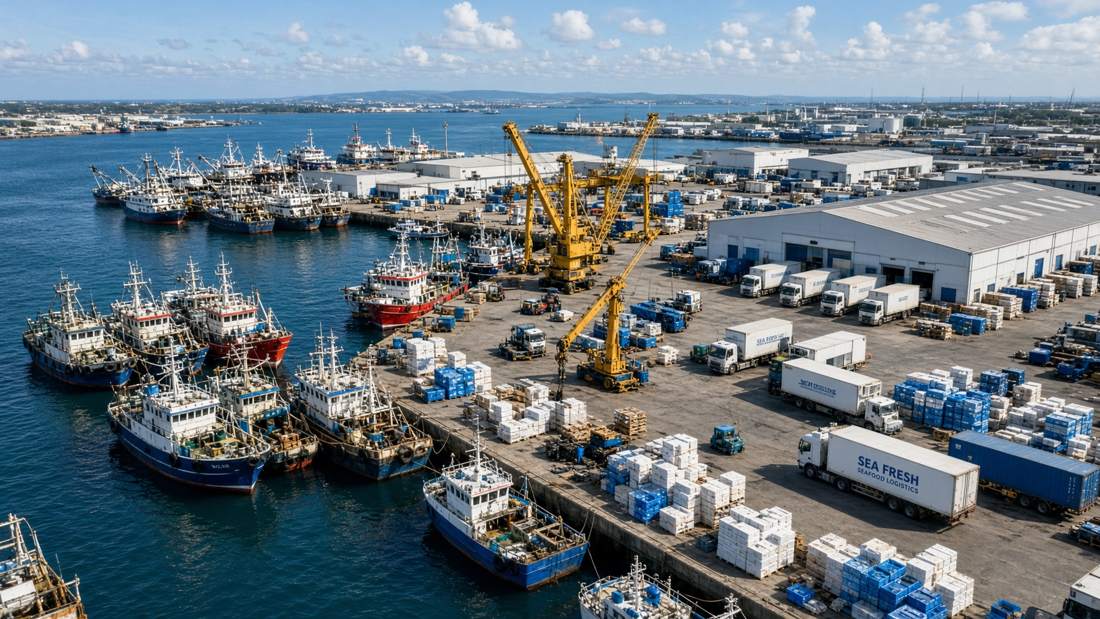
Scheduling for seasonal demand is how fish shops plan staff, deliveries and stock around the busiest times of year, and it affects you directly: availability, price and how long you wait at the counter. Knowing the rhythm helps you shop at better times and avoid disappointment when you need fish for an important meal.
How scheduling for seasonal demand shapes your shopping
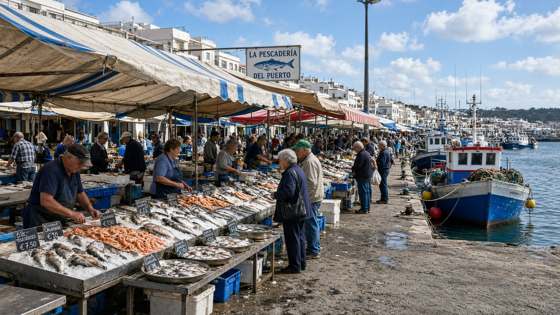
Seafood demand is not even through the year. Many shoppers buy more around certain holidays, in summer cookout and shellfish season, and at religious observances where fish is traditional, though the exact peaks differ by region and culture. Shops respond by ordering extra fish, adding staff and sometimes taking pre-orders. In busy weeks, popular items can sell out early, and prices may rise when supply is tight. Our article on seasonal pricing fluctuations explains why.
Scheduling for seasonal demand: plan around natural seasons too
Wild fish and shellfish have seasons shaped by migration, spawning and regulation, so the best choices change through the year. In-season fish is usually fresher and more plentiful. Ask your shop what is running now, and browse species on FishWatch to see where and how fish are caught. Our guide to seasonal quality variations in seafood covers how quality shifts over the year.
Smart timing tips for shoppers
- Pre-order holiday fish, lobsters, oysters or large platters as early as the shop allows, and confirm the pick-up time.
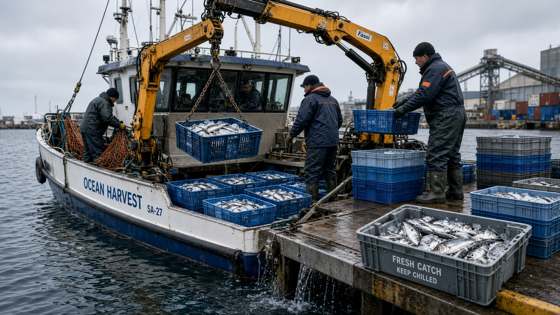
- Ask which days the main deliveries arrive and shop soon after.
- Go early on weekdays when counters are quieter and staff have more time to talk.
- Keep a second-choice species in mind in case your first is sold out.
- For big events, buy frozen items ahead and fresh the day before or morning of.
Handling holiday fish after pick-up
If you collect fish a day or two early, keep it cold. The FDA recommends keeping the refrigerator at 40 F or below, as explained on its refrigerator thermometer page. Put it on the lowest shelf in the coldest area, or on ice in a cooler if your fridge is full. Live shellfish need breathable storage and should not be submerged in fresh water; see shellfish storage for clams, mussels and oysters.
What to ask when you order ahead
A pre-order is a small agreement, so make it clear. Confirm the species, the weight or number of portions, whether you want it whole or cut, the price per pound or the total, the pick-up day and time and whether the shop wants a deposit. Ask what happens if the catch or delivery falls through, since weather and supply can change at short notice. A good shop will offer a close alternative instead of leaving you empty-handed, and many will call you if there is a change. Write the details down, and ask for a confirmation by phone, email or text where you can.
Using frozen seafood to beat the rush
Frozen fish and shellfish are not second best, and buying them in quiet periods can help you avoid pre-holiday rushes and prices. Check packaging for a solid freeze without ice crystals or frost, and thaw safely in the refrigerator. Tips from the FDA on selecting fresh and frozen seafood help you check quality.
Think of scheduling for seasonal demand as a calendar you can use too: order early for the big days, shop soon after deliveries, choose what is in season and keep a flexible plan B. That small amount of planning means better fish with less stress.