Seasonal seafood prices rise and fall for ordinary reasons, and knowing them lets you buy at the right time. Some fish are caught only in certain months, demand spikes around holidays and weather can keep boats in port, and shops adjust their stock, hours and prices to match.
What drives seasonal seafood prices
Supply is the first factor. Many fisheries have seasons set to protect fish stocks, as the NOAA overview of fisheries management in the United States explains. When the fish are plentiful, prices tend to ease. When the season ends or weather limits fishing, supply tightens and prices can rise. Our article on seasonal pricing fluctuations goes deeper.
Demand peaks to watch
- Lent and other religious observances, when many people eat more fish.
- Holidays such as Christmas Eve, New Year and summer cookouts, which can lift demand for shrimp, crab, lobster and salmon.
- Weekends and market days, when shops are busiest.
How shops adjust
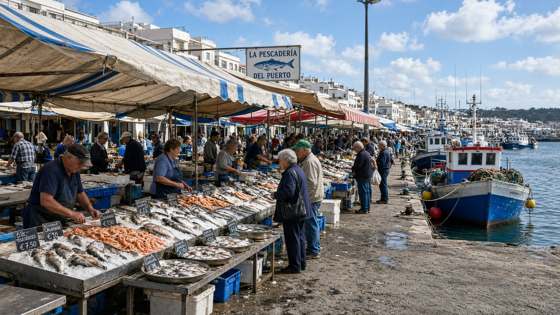
Opening hours can look odd to a shopper but usually follow the catch. A small shop may open earlier on days when boats land fresh product and close sooner when stock is sold out. Check the shop's website or call before a long trip, especially in the off season. If a shop uses a pre-order system for holiday weeks, ask about pickup windows and how to store the order if you cannot collect it right away. A fishmonger will often offer advice on what to buy instead when your first choice is scarce, and that is a good moment to try something new.
A seasonal shop may close for part of the year or reduce its hours in the quieter months, and in busy periods it may take pre-orders. If you want a holiday item, ordering early secures supply and sometimes a better price. Asking when a shop expects its next delivery helps you plan.
Saving money with seasonal seafood prices
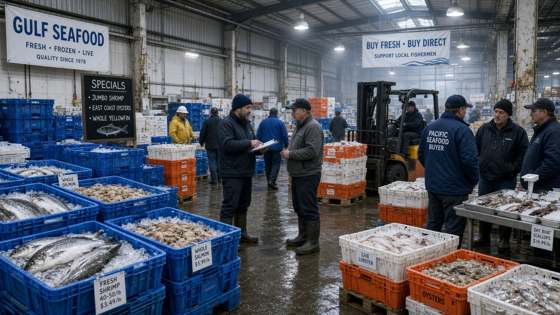
- Ask staff what is plentiful this week, because plentiful fish is often the best deal.
- Buy frozen when a favorite species is out of season. Fish frozen at harvest can be excellent.
- Stock the freezer when a deal appears, as long as you can use it in a few months.
- Be flexible: swap one species for a similar one, such as another white fish in a recipe.
- Avoid last-minute holiday shopping when prices and queues peak.
Think of the freezer as a way to move a good price from one month to another. A few well-wrapped portions bought in a plentiful week can save you from paying peak prices later. For more ideas, see our guide to sustainable seafood on a budget.
Store what you buy properly
Buying in bulk only helps if the food stays good. Freeze fresh fish the day you buy it unless you will cook it in a day or two, wrap it airtight and label it. The FDA's refrigerator thermometer page gives the 40 F fridge and 0 F freezer targets, and FishWatch from NOAA has species profiles, including seasons and sourcing.
Once you see how seasonal seafood prices work, shopping becomes calmer: you will know when fish is plentiful, plan holiday orders early and use the freezer to take advantage of good prices all year.