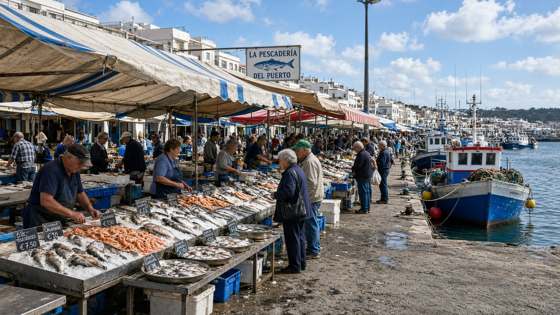
Seafood shop branches are a sign that a business is doing well, but they raise a fair question for shoppers: does the second shop match the first? A new branch may share a name, a supplier and a sign without sharing the care that built the original reputation.
What can change at new seafood shop branches
Stock may come from the same supplier or from a central warehouse, which can help consistency but adds time in transit. Staff may be newer and less familiar with the fish. Some branches have smaller counters and sell more pre-packed products. None of this is bad by itself, but it is worth checking rather than assuming.
Judging seafood shop branches on your first visit
- Look at the fish: clear eyes on whole fish, moist and firm flesh, no sharp or sour smell. See recognizing freshness in fish.
- Check that the ice is clean, the case is cold and the display is tidy.
- Ask what came in today and when. A well-trained team will know.
- Read labels for species, origin and whether the fish was previously frozen.
- Notice whether staff offer to fillet or give cooking tips.
Same name, same sourcing?
Ask whether the new branch sources from the same boats, farms or suppliers as the original. If the shop advertises certifications or sustainability claims, check the logo and details on the certifier's site, such as the Marine Stewardship Council, and read our guide to sustainable fishing certifications compared. Claims should be consistent across branches.
Value for you
More branches can mean wider choice, longer opening hours and better prices thanks to larger buying volumes. They can also mean a shift to products with longer shelf life. Compare prices per pound, not just headlines, and consider whether you would still choose the shop if it were new to you.
Chains, supermarkets and independents
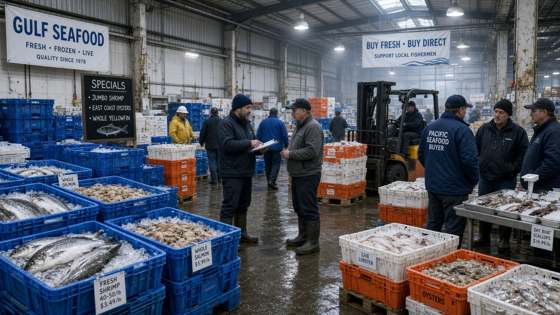
The same questions apply whether you shop at a small local fishmonger with a second site or a large chain. Bigger operations often buy in volume, which can reduce prices and give you steady availability of popular fish. Smaller shops may offer more variety and local catch, and staff who know the boats. Neither model is automatically better. Visit more than once, at different times of day, and compare. If a branch looks good in the morning but tired by late afternoon, you know when to shop.
Give feedback
If something is off, tell the manager politely, with details. Good shops listen, and honest feedback helps them keep standards at every branch. If you feel unwell after eating, seek medical advice and report the issue to your local health department. For background on choosing fish wisely, see the FDA's advice about eating fish.
Whether a shop has one site or ten, you decide by what is in the case, so use the same freshness checks at every one of its seafood shop branches and trust the fish more than the logo.