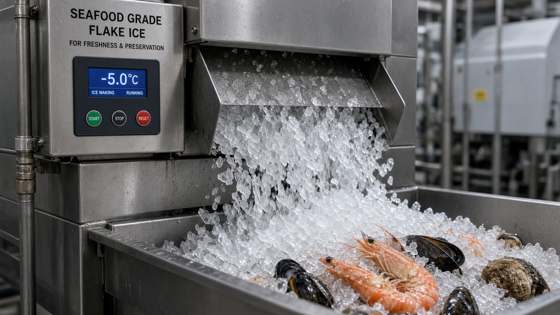
Squid and octopus care starts with speed and cold: squid should be cooked within a day of buying, octopus within one to two days, and both should be kept on ice or in the coldest part of the fridge. Both are cephalopods with delicate skin and fast-acting enzymes, so they go from sweet and clean to ammoniated in a short time.
Buying Squid and Octopus
Fresh squid should have a smooth, glossy, shiny skin, pale pink to purplish speckles, clear eyes and a clean smell like the sea. Choose firm, springy bodies, not slimy or yellowing ones. Octopus should be moist and firm with a mild, briny aroma. Many octopus and squid in stores are sold frozen, often pre-cleaned, and this is perfectly fine. Freezing actually helps tenderize octopus, because ice crystals break down some of its tough fibers. Buy frozen if you are not planning to cook the same day.
Check the ingredients on frozen packs. Some products include added water or phosphates; read the label if you want plain squid. Ask whether the squid is cleaned or whole. Whole is cheaper per pound but loses weight in prep.
Squid and Octopus Care in the Fridge
- Squid: pat dry, place in a covered container, set on ice in the fridge and cook within 24 hours. Cleaned tubes and tentacles keep the same time.
- Octopus: keep whole in a container on ice, cook within 1 to 2 days.
- Cooked: store in an airtight container for three to four days.
Keep both below 40 degrees F, away from ready-to-eat food, and wash boards well. See refrigerator organization for seafood for where to place raw seafood. If a strong ammonia smell or slimy film appears, throw it out; spoilage signs you should never ignore lists what else to look for.
Freezing and thawing for squid and octopus care
Wrap pieces tightly in freezer bags with air pressed out, label with the date and use within about three months. Thaw in the fridge overnight, in a bowl to catch liquid. For cold-water thawing, seal the bag and submerge it. Do not refreeze thawed squid, which turns watery and tough.
Cleaning Squid
- Pull the head and tentacles from the body. The innards come out with them.
- Cut the tentacles just above the eyes. Squeeze out the hard beak from the center of the tentacles and discard.
- Pull out the clear plastic-like quill from inside the body.
- Rinse the tube inside and out. Peel the purplish skin if you like or leave it on; it is edible.
- Pat dry. Slice into rings or leave whole for stuffing.
If you want a step-by-step guide, see how to clean and prep squid. The ink sac, if intact, can be saved for pasta, as in squid ink pasta.
Keeping Squid and Octopus Tender
These animals follow a simple rule: cook them either very briefly or for a long time. Squid is tender after 1 to 2 minutes of high heat (fried, grilled or sauteed) or after 30 to 45 minutes of gentle braising. Anything in between turns rubbery. Octopus usually needs slow simmering, often 45 minutes to an hour or more depending on size, until a knife slides in easily. Do not salt it heavily at the start, and avoid boiling hard.
For sourcing, the Seafood Watch site rates squid and octopus choices, and NOAA FishWatch profiles species like longfin squid. Following sound squid and octopus care habits, cold storage, quick use and the right cooking time, brings the best flavor for the least money.