Seafood in the Northern Mariana Islands is island seafood in the fullest sense: reef fish, tuna, skipjack, mahi-mahi and other pelagic fish caught by small boats around Saipan, Tinian and Rota. Fish is part of daily meals and family gatherings, and buying directly from fishers or small markets is common, with imported frozen seafood filling the gaps.
Where to buy seafood in the Northern Marianas
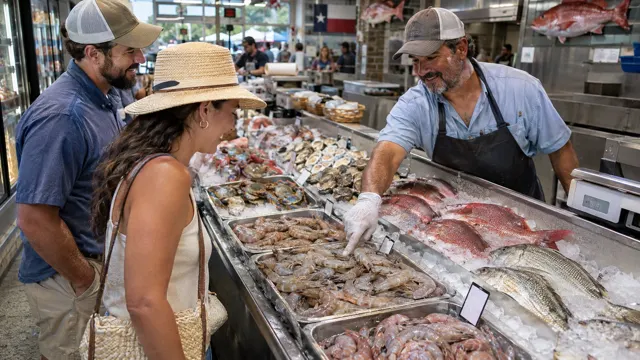
On Saipan, Tinian and Rota, look for fishers selling at docks and roadside, small fish markets, and supermarkets that carry both local and imported fish. Many families buy fish through personal connections or from fishers' cooperatives and associations, so ask neighbors and local businesses where the best catch is sold that day. Supermarkets stock frozen fish and shrimp imported from the mainland United States and Asia, and canned and dried fish are important staples. Because supplies depend on weather, prices and availability swing; keep your plans flexible.
What is local and in season
Commonly caught species include skipjack and yellowfin tuna, mahi-mahi, wahoo, snapper, grouper and emperor, along with reef fish such as parrotfish and surgeonfish. Octopus, shellfish, coconut crab and other traditional foods are part of local cuisine, but many are subject to size limits, seasons or protected status, so check current rules before buying or harvesting. If a seller offers a species you do not recognize, ask what it is and whether it is legal and safe to eat.
Ciguatera and reef fish
Ciguatera is a type of fish poisoning that occurs in tropical reef regions, including the Pacific, and is linked to certain large reef predators. It cannot be detected by smell, taste or cooking. Ask local fishers and health authorities which species and areas to avoid, and follow current advice; the FDA covers the hazard in its fish and fishery products hazards guidance. If you develop symptoms after eating reef fish, seek medical care.
Buying tips
- Keep fish on ice immediately; tropical heat spoils it fast. See the cold chain from boat to plate.
- Ask for whole fish and check clear eyes and red gills.
- Use recognizing freshness in fish as a checklist.
Fish consumption advisories and fishing rules
For advisories about local reef fish and about contaminants, check with the CNMI Division of Fish and Wildlife, the Bureau of Environmental and Coastal Quality and the Commonwealth Healthcare Corporation; the current advice can change. For store-bought fish, see the FDA advice about eating fish. Fishing rules, including gear limits, size limits, protected species and marine protected areas, are set locally and under federal management, and you should confirm current requirements before fishing. See closed seasons and marine protected areas for the general idea.
Federal fishery management in the Western Pacific is handled by the Western Pacific Regional Fishery Management Council and NOAA Fisheries Pacific Islands. Shellfish sanitation follows the National Shellfish Sanitation Program; if you plan to eat local shellfish, check current local guidance first.
Shopper resources: markets, sellers and trade groups
- Local Catch Network (community supported fisheries)
- Seafood Watch ratings
- NOAA FishWatch species profiles