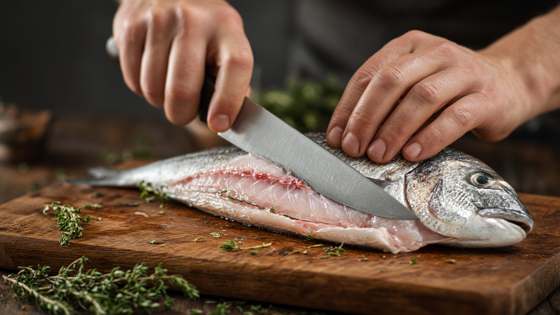
Steaming fish is gentle, fast and nearly foolproof if you follow a timing guide: allow about 8 to 10 minutes per inch of thickness over steady steam. It keeps fish moist and lets clean flavors like ginger, scallion and citrus come through.
Timing by cut
- Thin fillets (1/2 inch), such as sole or flounder: 4 to 6 minutes.
- Medium fillets (3/4 to 1 inch), such as cod, snapper or salmon: 6 to 10 minutes.
- Thick steaks (1 inch or more), such as halibut: 10 to 12 minutes.
- Whole fish (1 to 1.5 pounds), such as sea bass: about 10 to 15 minutes, measured at the thickest part.
These are guides, since steamers differ. Start checking early. The fish is done when it reaches 145 F or when the thickest part is opaque and flakes easily.
Set up a steamer
- Use a pot with a lid, a bamboo steamer, or a rack in a wok or deep skillet.
- Bring about 1 to 2 inches of water to a steady simmer or boil. The water should not touch the fish.
- Place the fish on a heatproof plate with a rim to catch juices, or on parchment, with space for steam to circulate.
- Cover and steam over medium-high heat.
Prep the fish
Pat it dry, season with salt, and lay slices of ginger or lemon underneath so the fish does not touch the plate. For a whole fish, score the thickest part in two or three places, which helps heat reach the bone. Prep help is in how to choose fish at the market.
Flavoring ideas
- Ginger-scallion: top with shredded ginger and scallion, then pour over hot oil and a splash of soy sauce after steaming.
- Lemon-herb: lemon slices, dill and olive oil.
- Thai style: lime, garlic, chili and cilantro; see Thai steamed fish with lime and chili.
Overview of regional techniques is in Asian seafood techniques overview.
Best fish for steaming
Lean, mild fish such as cod, sea bass, snapper, flounder, tilapia and grouper steam beautifully. Salmon works too but can turn pale and soft. Frozen fish should be thawed first; see thawing seafood safely.
Troubleshooting
- Rubbery or dry: overcooked; reduce time by a minute or two.
- Raw center: steam longer, with the lid on.
- Watery plate: pour off excess liquid before adding sauce.
Safety
Use the FDA and USDA 145 F guideline for cooked fish, as described in the FDA advice about eating fish, and see FishWatch for species information.
Resting and serving
Turn off the heat and let the fish sit for a minute covered so that carryover heat finishes the center. Pour off the cloudy liquid on the plate, which is mostly protein and water and can taste dull, then add fresh sauce or hot oil. Serve right away with steamed rice and greens so nothing waits.
Steaming from frozen
You can steam frozen fillets without thawing if you add about 50 percent more time and check the center. Thawed fish steams more evenly, so thaw in the refrigerator when you have time. Pat away any ice glaze first.
Keep this steaming fish timing guide handy and you will turn out tender, clean-tasting fish in about ten minutes.