Asian seafood techniques are varied, but several themes recur from Japan to Thailand: respect for freshness, quick heat, and sauces that support the seafood rather than hiding it. Learn a handful of methods and you can cook fish and shellfish in many regional styles with ingredients from an ordinary supermarket.
Steaming
Steaming is the signature technique of Cantonese cooking and appears across Southeast Asia. A whole fish is placed on aromatics such as ginger and scallion, steamed until just cooked, then finished with hot oil and soy sauce. It keeps fish moist and tastes clean. Timing and setup are covered in our steaming fish timing guide. Thai-style steamed fish adds lime, chili and garlic to the same method.
Rules for good steamed fish
- Use very fresh whole fish with clear eyes.
- Steam over rapidly boiling water; about 8 to 10 minutes for a 1-pound (450 g) fish. Check that the flesh is opaque near the bone.
- Drain any cloudy liquid before adding sauce.
Stir-frying
Shrimp, squid and scallops suit a hot wok because they cook in minutes. Heat the pan until the oil shimmers, cook in small batches so the temperature stays high, and add sauces at the very end. Cut squid in a crosshatch so it curls and tenderizes; see how to clean and prep squid.
Braising and simmering
Fish braised in soy, rice wine, ginger and sugar, or simmered in coconut milk curries, is common in China, Korea, Thailand, India and Vietnam. Firm fish such as mackerel, catfish and sea bass hold up well. Simmer gently; do not boil hard, or the fish falls apart.
Grilling and glazing
Japanese yakizakana is salted fish grilled until the skin crisps, and teriyaki and miso glazes caramelize on salmon or black cod. Sugar burns, so apply glazes toward the end of cooking. See miso-glazed salmon.
Raw and cured preparations
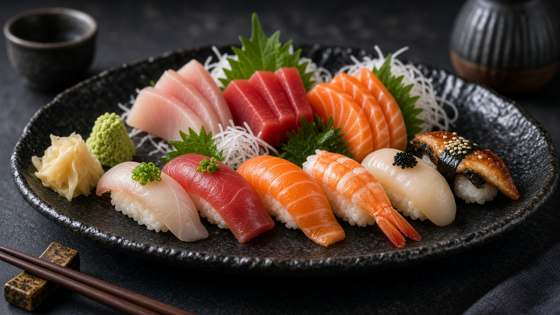
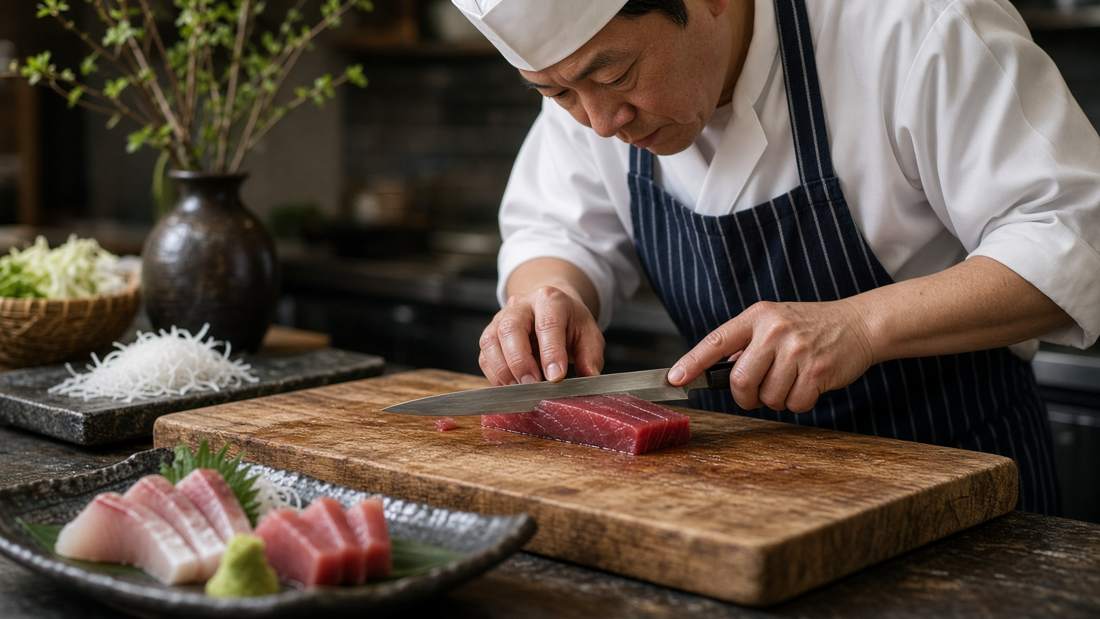
Sashimi, sushi, poke and crudo-style dishes use raw fish. Raw fish carries a parasite and bacteria risk, and only fish handled for raw consumption (often frozen first to kill parasites, per FDA guidance) should be used. Read about making sushi at home safely and the FDA's seafood safety page.
Pantry flavors
- Soy sauce, rice wine and mirin
- Fresh ginger, garlic and scallion
- Fish sauce and oyster sauce
- Miso, sesame oil and rice vinegar
- Lemongrass, lime leaves, chilies
Buying tips
Asian markets often sell live fish, shell-on shrimp and a wide range of species at good prices. Ask staff to clean and scale the fish, and look at Seafood Watch before buying species you do not know. Cook fish until it reaches 145 F (63 C) and flakes easily, as recommended in the FDA advice about eating fish.
Pick one technique, steaming or stir-frying, and practice it until it feels natural. These Asian seafood techniques reward simple ingredients and careful timing more than expensive equipment.