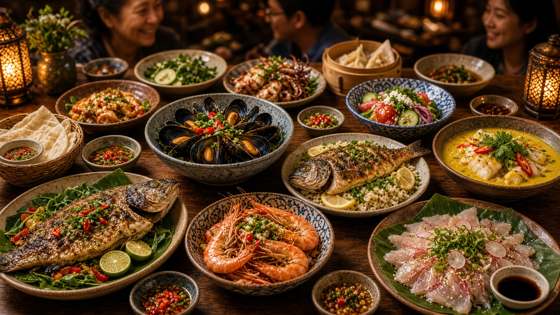
A good seafood and wine pairing is easier than its reputation: choose crisp, high-acid wines for light and briny dishes, fuller whites for richer sauces, and let the sauce and cooking method guide you more than the species. There is no law against red wine with fish, only a handful of useful habits.
Three rules that cover most dinners
- Match weight. Delicate poached sole wants a light wine; butter-poached lobster can take a fuller one.
- Use acid like lemon. Acidic wines refresh fried and buttery dishes the way a squeeze of citrus does.
- Watch the sauce. Spicy, tomato, cream or smoky sauces change the best match.
By type of seafood
Oysters and raw shellfish
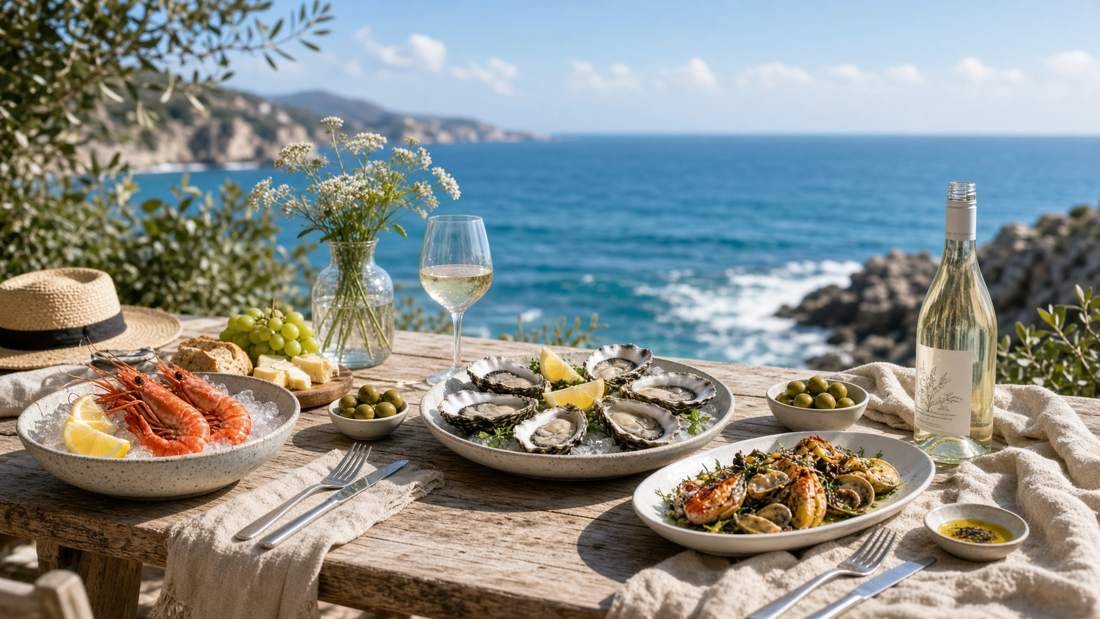
Dry, mineral whites such as Muscadet, Chablis, Albarino and crisp sparkling wines are classic partners for briny oysters. Their acidity works like lemon. See mignonette for oysters.
Shrimp, crab and scallops
Sauvignon Blanc, dry Riesling, Vermentino and unoaked Chardonnay suit the sweetness of shellfish. Scallops with brown butter or cream like a touch more body, such as a lightly oaked Chardonnay.
Lean white fish
Pinot Grigio, Verdejo, Gruner Veltliner and Picpoul are clean and bright. Add lemon butter, and Chablis works too.
Salmon and other oily fish
Pinot Noir is the classic red match, light-bodied and served slightly cool. Dry rose, Chardonnay and Pinot Gris also work. Smoked salmon likes Champagne or dry sparkling wine, and mackerel and sardines like crisp, high-acid whites.
Fried seafood
Sparkling wine cuts through oil better than almost anything. Cava, Prosecco and Champagne all suit fried calamari or fish and chips.
Spicy dishes
Off-dry Riesling or Gewurztraminer tames chili heat in Thai or Sichuan seafood dishes.
Tomato-based stews
Dry rose or a light red like Chianti or Beaujolais can handle cioppino and bouillabaisse; see cioppino.
Cooking method matters
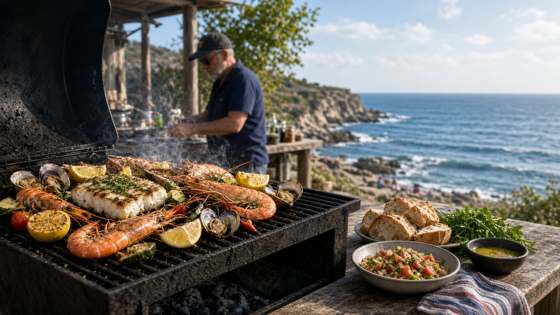
- Grilled or smoky: pick a wine with slightly more body or a light red.
- Steamed or poached: lean toward bright, light wines.
- Creamy chowders: fuller whites or Chardonnay.
Serving tips
Serve whites and sparkling wines well chilled, about 45 to 50 F, and take reds like Pinot Noir out of the refrigerator for a few minutes. Pour a small amount first and let guests taste with the food, since preferences differ. If you are cooking for guests, see seafood for entertaining. Beer is another option: seafood and beer pairings.
A note on health
Alcohol and seafood advice varies for pregnancy and other circumstances; the FDA offers advice about eating fish for those groups. Seafood choices that are sustainable are listed at Seafood Watch.
Budget and buying tips
Many of the best seafood wines are inexpensive. Muscadet, Vinho Verde, Picpoul, Albarino and Spanish Cava often cost far less than famous names and are made for the table. Ask the shop for a crisp, unoaked white under your budget, and buy a few bottles to compare. A wine that tastes sharp on its own often relaxes beautifully next to seafood.
Wines to be careful with
Big, tannic reds can make fish taste metallic, and heavily oaked whites can overwhelm delicate fillets. Very sweet wines tend to clash with savory seafood, except with spicy dishes where a touch of sweetness helps. If you are unsure, a dry sparkling wine rarely goes wrong.
Use this seafood and wine pairing guide as a starting point, then trust your own taste, because the best pairing is the bottle you enjoy with the plate in front of you.