Seafood gift certificates and holiday seafood sales both peak in the same few weeks, which is also when prices and demand are at their highest. A little planning helps you give a gift that gets used and buy a holiday feast without paying more than you need to. Here is what to know on both sides.
Giving and using seafood gift certificates
A gift certificate to a local fish shop, a farm or an online seafood seller is a thoughtful present for people who cook, since it lets them choose what they like. Before you buy, check a few points:
- Expiry and fees. Look for any expiration date or fee. Rules for gift cards vary by state and country, so check current rules where you live.
- How to redeem. Can it be used in store, online or both? Is delivery included or extra?
- Whether the seller will last. Choose an established shop or a well-reviewed online seller.
- Minimums. Some shops require a minimum order for delivery.
- Alternatives. A pre-set gift box can work well for recipients who like surprises, though not for those with allergies or restrictions.
If you receive one, use it sooner rather than later and ask the seller what is best that week. Gift cards are well suited to species that are only in season for a short time.
Holiday seafood sales: why prices climb
Demand for shrimp, lobster, crab, salmon, scallops and oysters rises around major holidays and festive meals, and supply cannot always keep up. That is a recipe for higher prices, shorter selection and sold-out items. Our guide to seasonal pricing fluctuations explains the pattern.
Planning holiday buys with seafood gift certificates
- Order early. Reserve fresh crab, lobster or whole fish a week or more ahead, and ask for a pickup day.
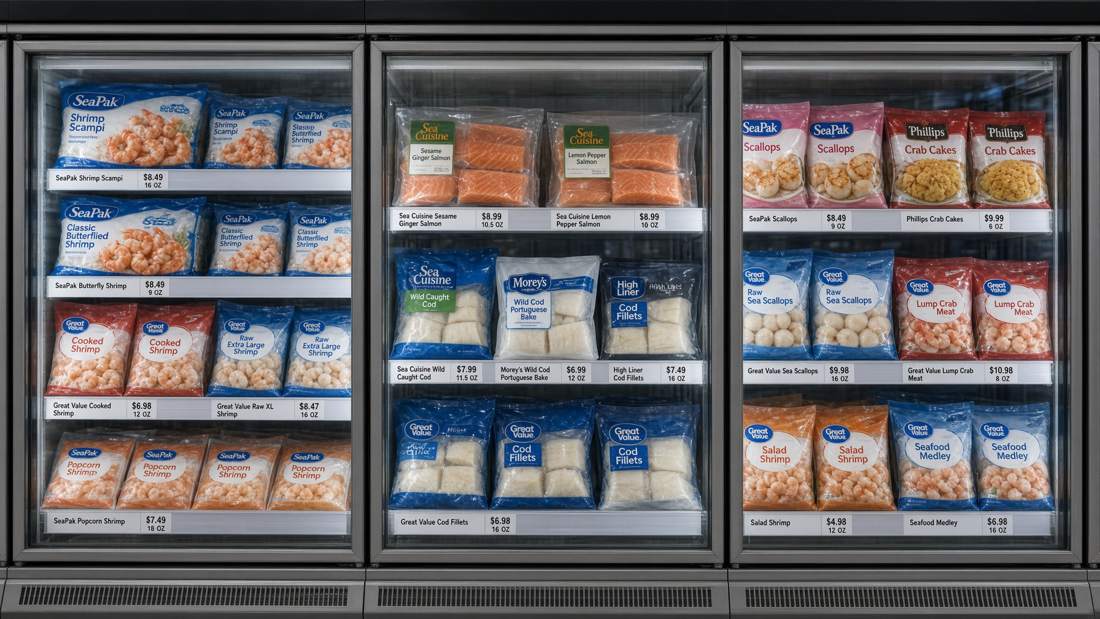
- Buy frozen ahead. Frozen shrimp, scallops and crab legs bought before the rush often cost less. Store them properly: freezer burn causes and prevention shows how.
- Be flexible. If your first-choice fish is scarce, ask for a substitute. FishWatch profiles can help you find a similar species.
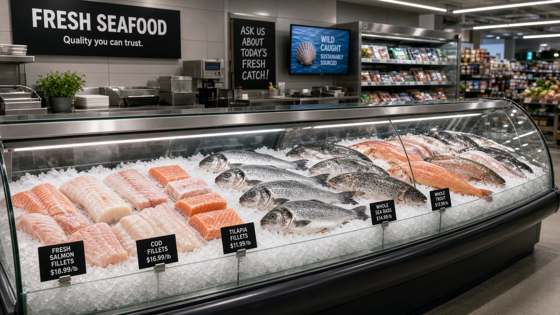
- Compare edible weight. Shell-on and whole items cost less per pound but yield less meat.
- Watch pre-order policies. Deposits and cancellation rules vary. Ask what happens if your order cannot be filled.
Holiday safety and storage
Large orders must be kept cold between pickup and dinner. Bring a cooler and ice, and clear refrigerator space in advance. See refrigerator organization for seafood. For raw shellfish and undercooked items, remember that certain groups should avoid them; the FDA advice about eating fish covers this.
Budget-friendly holiday ideas
Portion planning saves more than any coupon. As a rough guide, many cooks plan a modest serving of fish per person as a main course and less for a starter, then adjust for appetite and sides. Ask the seller to help with quantities, since they know how much a whole fish or a pack of shell-on shrimp really yields.
- Serve a mix: a few shrimp or oysters for starters and a baked fish as the main.
- Use mussels or clams, which usually cost less than lobster.
- Ask about whole-fish options that serve a crowd.
Whether you are giving or buying, seafood gift certificates and holiday seafood sales reward people who plan ahead. Reserve early, compare per-pound prices and ask the seller what is best this week.