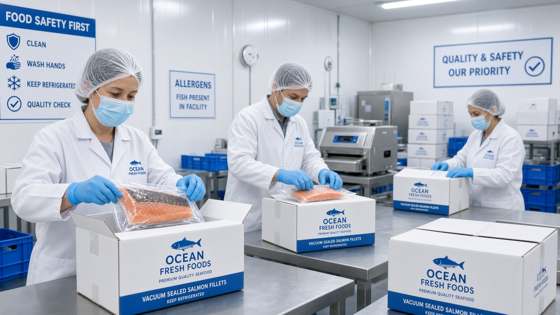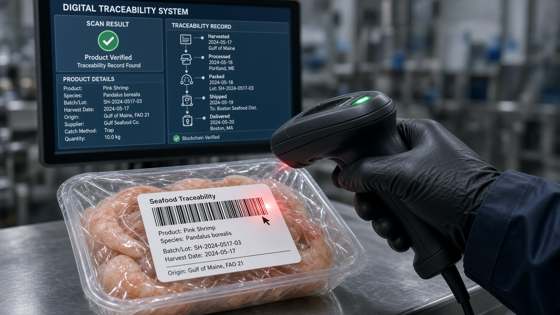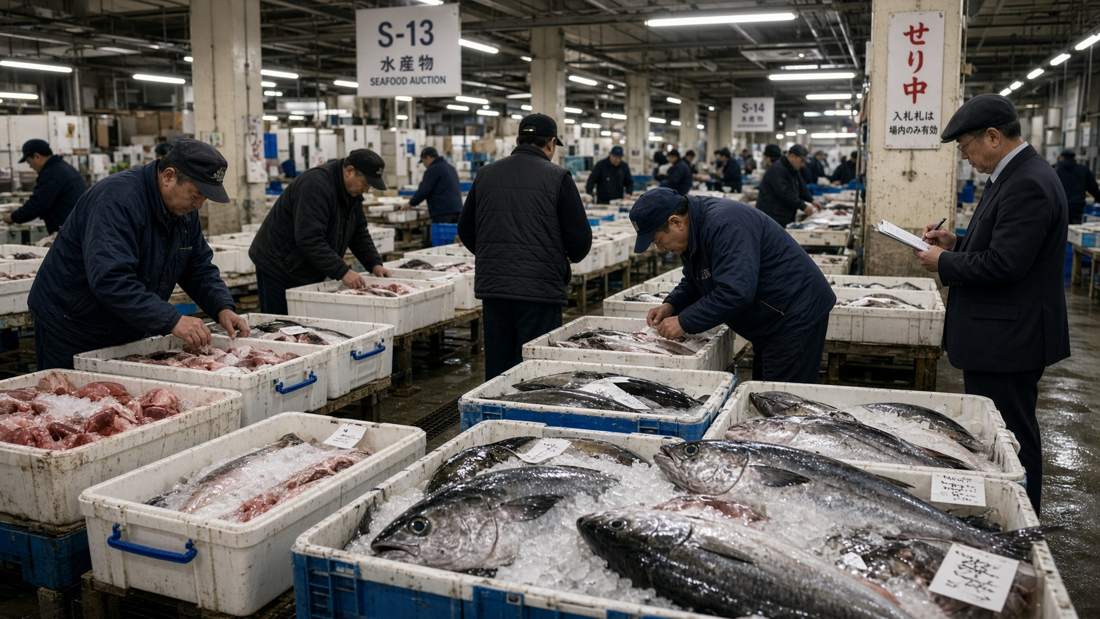
Recycling seafood packaging is easier once you know which parts are accepted in most areas and which need special handling. Seafood comes with trays, bags, boxes, cold packs and shells, and the right choice for each depends on what your local program takes.
Recycling seafood packaging: what is usually accepted
- Cardboard shipping cartons, if clean and dry. Remove tape and labels if your program asks.
- Paper wrapping that is not soaked in fish juice.
- Rigid plastic containers marked with accepted numbers, after rinsing.
- Metal cans, such as tuna cans, rinsed and with lids bent in.
- Glass jars.
Items that make recycling seafood packaging harder
Many programs do not accept thin plastic bags, vacuum-seal bags, foam trays and foam cooler liners at the curb, though some drop-off sites take foam or film plastics. Gel packs generally go in the trash unless the maker or seller offers a take-back. Soiled paper and heavily greasy packaging usually cannot be recycled. Check the instructions on your local program's site, since the rules vary widely.
Reusing before recycling
Cardboard boxes and foam coolers can be reused for storage or picnics, and gel packs can be washed and refrozen for lunch bags or cooler trips. Do not reuse a box that has held leaking raw fish to carry ready-to-eat food. Keep reused coolers clean with hot soapy water. Our guide to seafood shipping insulation explains what is inside your box.
Shells and the recycling of seafood byproducts
Some coastal areas run shell recycling programs that return oyster shells to the water to build reefs, and some use crushed shells in gardens. Ask a local seafood shop, your waste authority or a community program. Our article on composting seafood waste covers garden use.
Ask the seller
A quick message to the shop or online seller can reveal useful options. Ask whether they reuse ice packs, accept returned insulated boxes or sell fish in minimal packaging, such as paper wrap in place of a foam tray. At a counter, you can often bring your own clean container for fish, if the shop agrees, although some places have rules about customer containers for hygiene reasons. Sellers who have no answer today may start offering one if enough customers ask.
Some sellers use packaging made from recycled or compostable materials, take back boxes or ice packs, or give refills for coolers. It is fair to ask, and your questions encourage change. For wider context on how packaging affects the environment, see reducing plastic in seafood packaging.
Keep things clean
Rinse containers soon after use, so odors do not set in, and keep raw fish packaging away from other food. The FDA's safe food handling advice recommends washing hands and surfaces after handling raw seafood. If you reuse a cooler for food, keep it cold at 40 F or below, in line with the FDA's refrigerator thermometer page.
A little sorting makes recycling seafood packaging worthwhile: check your local list, reuse boxes and gel packs where you can, and send shells to a reuse program if one exists near you.