Water quality parameters for aquaculture are the numbers farmers watch every day, and they have a direct effect on the fillet you cook: firmness, flavor, and whether the fish tastes clean or faintly of mud. You do not need to read a lab report, but understanding the basics helps you judge which farmed fish is worth buying.
The water quality parameters for aquaculture that matter most
Farms track many readings, but a handful do most of the work in keeping fish healthy:
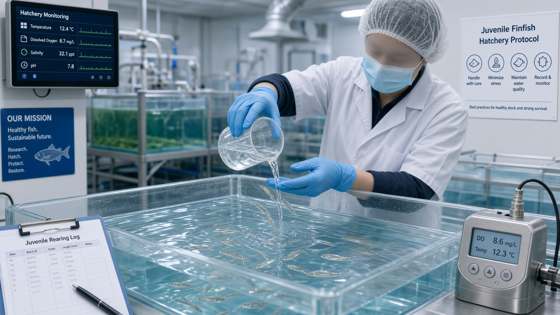
- Dissolved oxygen. Fish breathe oxygen dissolved in water. Low levels make them stop feeding and stress, which hurts growth and flesh quality.
- Temperature. Each species has a comfortable range. Salmon and trout prefer cold water; tilapia and catfish thrive in warm water. Outside its range, a fish eats less and is more prone to disease.
- Ammonia and nitrite. Fish waste produces these, and both are toxic at high levels. Farms use filters, water exchange or beneficial bacteria to keep them low.
- pH and salinity. The acidity and salt level must match the species, particularly for shellfish and for fish moved between fresh and salt water.
- Clarity and algae. Cloudy or algae-rich water can lower oxygen overnight and affect flavor.
How water quality parameters for aquaculture affect taste
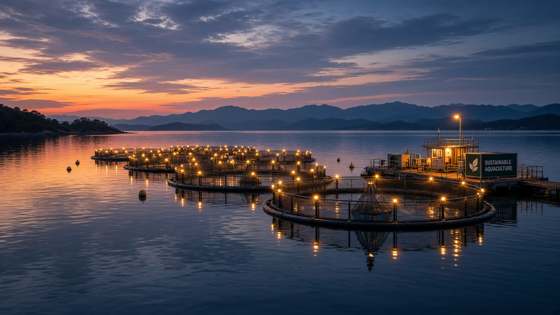
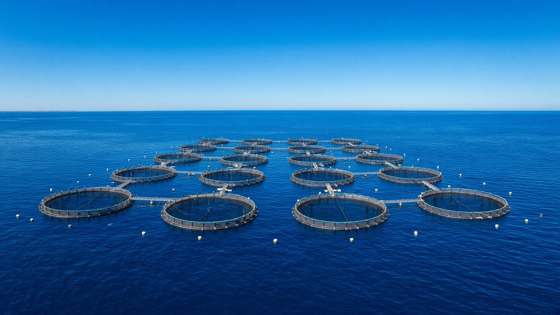
If you have ever eaten pond-raised fish that tasted earthy or muddy, you met a water quality issue. Certain algae and bacteria produce natural compounds with an earthy smell that fish absorb through the gills and skin. Responsible farms handle this by moving fish to clean water for a few days before harvest, a step often called purging or depuration. Fish from well-managed ponds taste clean, and the problem is far less common in tanks and in flowing or open-ocean systems.
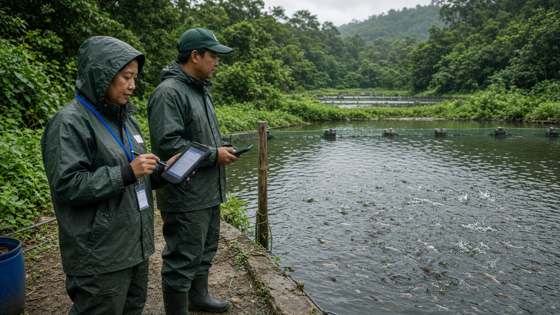
Healthy water also supports firm flesh and good color. Stressed fish release stress hormones and use up energy reserves, which can leave flesh softer and shorter-lived on the shelf. Our guide to pond aquaculture fundamentals shows how ponds are managed, and the page on recirculating systems explains how tanks keep water stable.
Water quality parameters for aquaculture and food safety
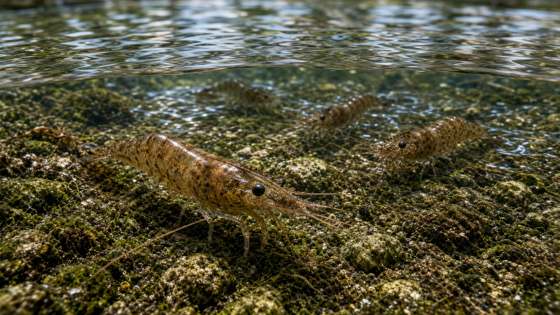
Water quality is also a food safety question. Shellfish filter water and can concentrate bacteria, viruses and natural toxins, so shellfish beds are classified and monitored by health authorities. The Interstate Shellfish Sanitation Conference works with states and federal agencies on this system in the United States. For fish, farms in clean water with good records have less trouble with contaminants. The EPA guidance on choosing fish and shellfish explains how water pollution can affect seafood and how to find local advisories.
What you can check at the counter
You cannot test the water, but you can read signals that suggest good husbandry:
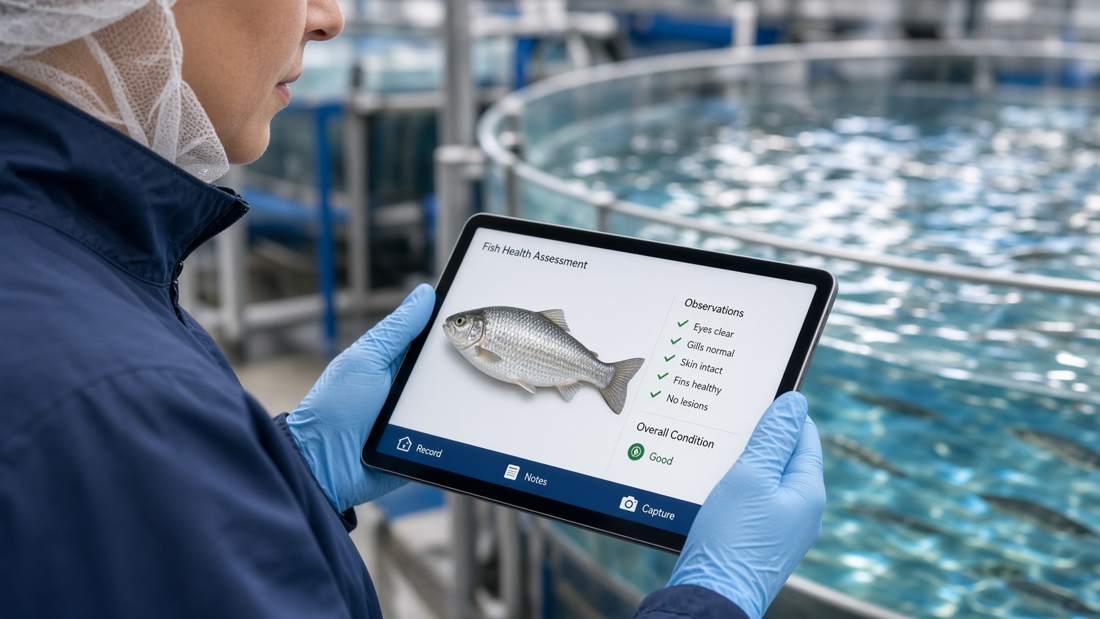
- Choose fish with clear, bright eyes if sold whole, moist and shiny flesh, and a clean, mild smell.
- Be wary of any strong muddy or musty odor, which can mean off-flavor or poor handling.
- Look for certification labels such as ASC or BAP, which set water-quality and effluent requirements; the Best Aquaculture Practices program is one example.
- Ask where the fish was raised and how recently it was harvested.
If your fish tastes muddy
Soaking fillets in milk or lightly acidic water for 20 to 30 minutes, then patting dry, can soften earthy notes. Strong seasoning, citrus, smoking or blackening also help. If the flavor is consistently off, try another seller or a different species.
Clean, well-aerated water is the quiet reason some farmed fish is excellent and some is forgettable. When you shop, treat origin, certification and a fresh, neutral smell as your best proxy for the water quality parameters for aquaculture that you cannot see.