Seafood in Minnesota means freshwater. Walleye from the northern lakes, trout and whitefish from Lake Superior, and farm-raised trout are the fish most tied to the state, and plenty of households keep walleye in the freezer for fish fries.
What the state is known for
Walleye is the signature fish, with northern pike, crappie and sunfish close behind among anglers. Lake Superior's North Shore supplies lake trout, whitefish and herring, and the Duluth and Grand Marais area has a long tradition of smoked fish. Wild rice is a regional food that often shares a plate with fish in northern cooking.
Where shoppers buy
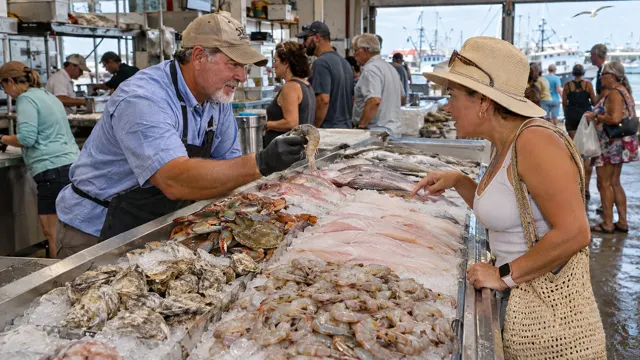
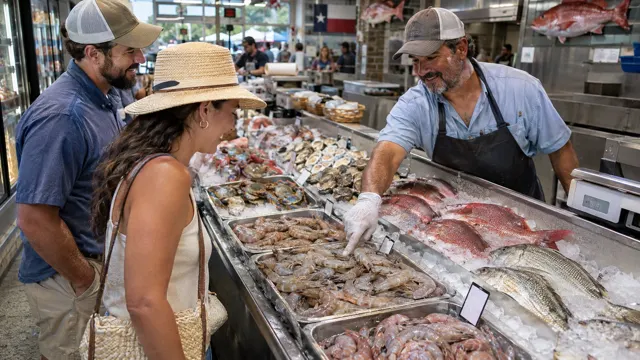
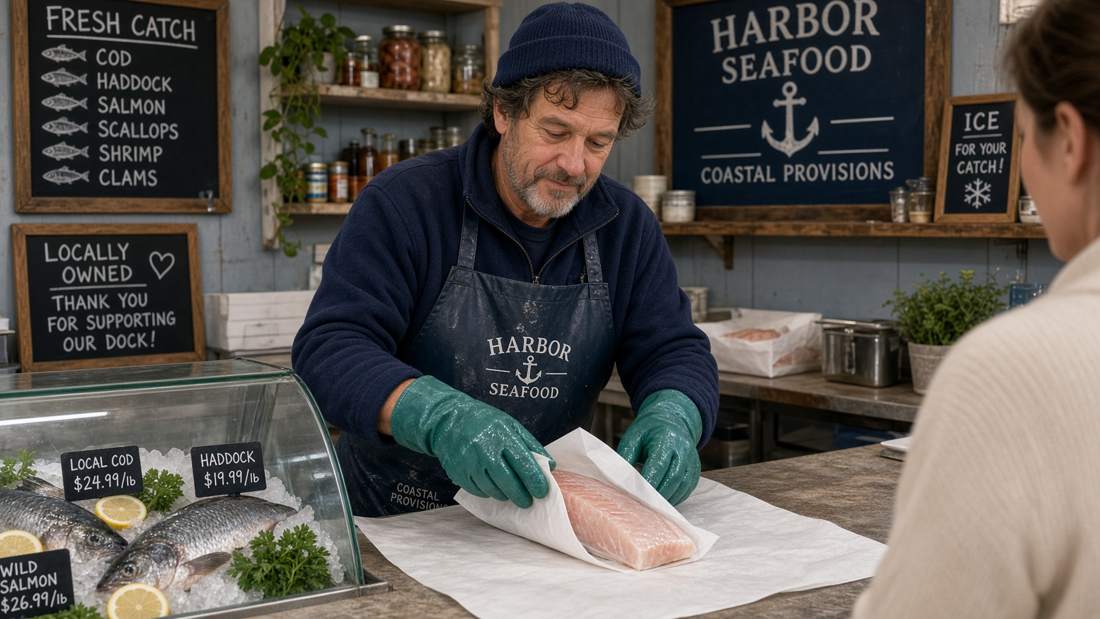
The Twin Cities have supermarket fish counters, Asian and Latin groceries and independent fish shops. Along the North Shore, local fish markets and smokehouses sell Lake Superior fish, and farmers markets across the state may include fish vendors. Minnesota Grown lists farms and markets and is a good place to look for farm-raised fish. The Duluth visitor site is a starting point if you are planning a trip to the lakeshore.
Why walleye is often frozen
Minnesota limits the sale of wild game fish from most of its inland waters, so walleye on store shelves and restaurant menus is commonly frozen and comes from other regions, Canada or farms. Ask whether the walleye is wild or farmed and where it came from. Frozen fillets are fine if packaging is intact, with no frost or ice crystals.
Buying and handling tips
- Look for the Minnesota Grown logo when you want local product.
- Choose smoked fish with a clear date and keep it refrigerated.
- Wrap fish tightly to prevent freezer burn and label it with the date.
- Thaw in the refrigerator, not on the counter.
Related reading: freezing fish, pan-frying fish and recreational and commercial catch rules.
Fish advisories and licenses
If you eat fish you or a friend caught, check the Minnesota Department of Health fish consumption guidance, which is especially important for children and anyone pregnant or nursing. Fishing licenses, seasons and limits are set by the Department of Natural Resources, and rules differ by lake, so check the current regulations for the water you plan to fish.
Seasonal and budget tips
Ice-fishing season brings a wave of fresh panfish and walleye to local freezers, and fish fries and church suppers are a low-cost way to taste regional fish. At the store, frozen walleye fillets sold in resealable bags are often cheaper than fresh, and farm-raised trout is usually a better value than most imported fillets. When you buy smoked fish on the North Shore, ask how long it will keep and whether it should be frozen if you will not eat it within a few days. For a lakeshore trip, bring a cooler and ice packs so purchases stay cold on the drive home, and check the current rules if you plan to transport fish you caught across state lines.