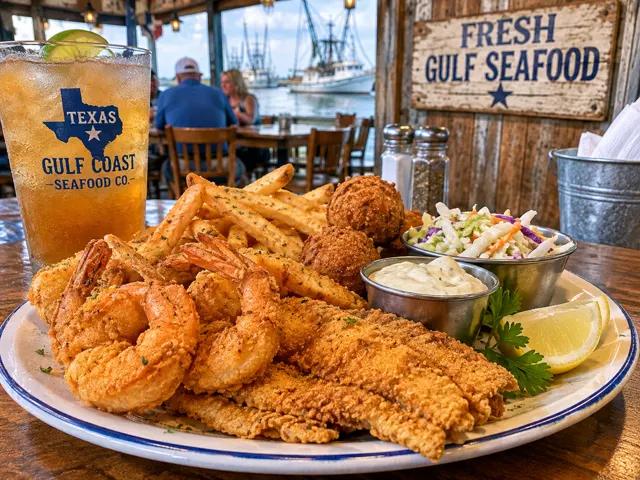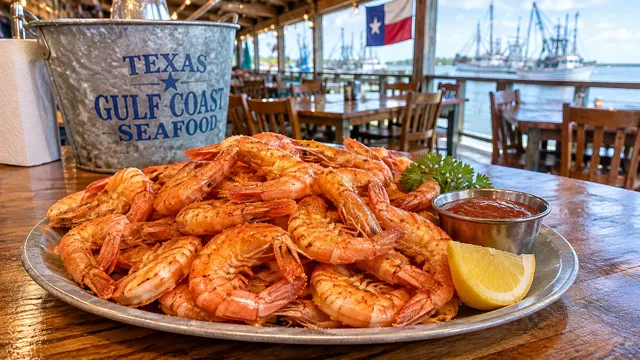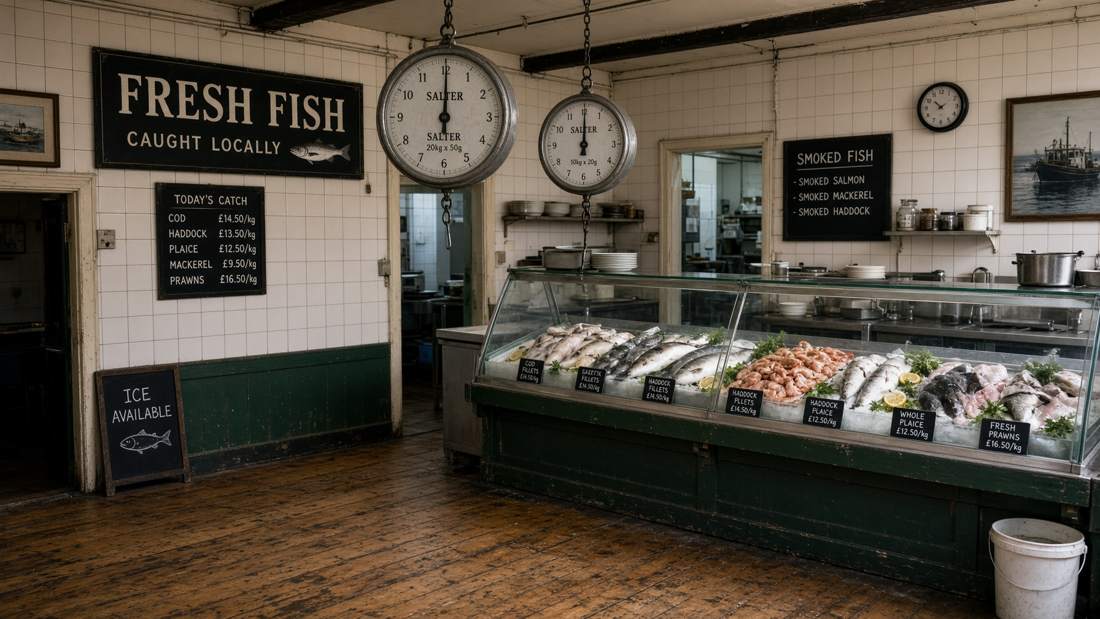
Seafood in Maryland is built around the Chesapeake Bay, whose shallow estuary supports blue crabs, oysters, striped bass (called rockfish locally) and clams. Crab feasts, with piles of steamed crabs on paper-covered tables, are one of the region's best-known meals.
Where shoppers find it
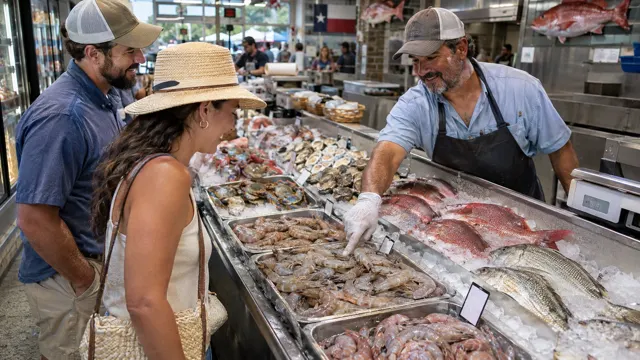
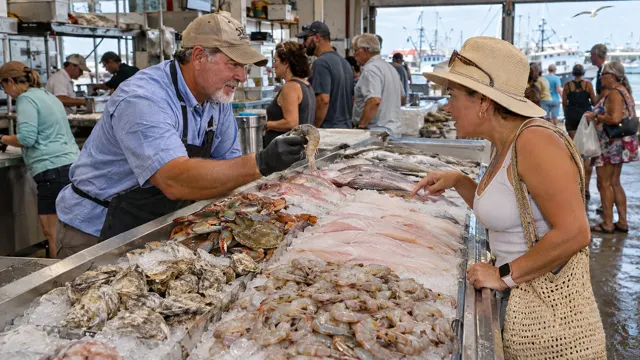
Buy crabs at waterfront markets and seafood shops around Annapolis, the Eastern Shore towns such as Crisfield and Tilghman Island, and the Baltimore area. Many carryouts sell steamed crabs by the dozen and bushel, and watermen sell at roadside stands in season. Maryland's Best connects shoppers to farmers and watermen who sell directly. Restaurants buy from licensed dealers and packers; households can often buy at the same places.
What to look for through the year
Blue crab season runs from spring into late fall, with the heaviest crabs in late summer and early fall. Soft-shell crabs, caught in molt, appear in late spring and summer. Oysters are harvested in cooler months and increasingly farmed, and rockfish is a favorite fish, with seasons and size limits set to protect the stock. Clams, eels and croaker add variety.
Choosing crabs
Choose live crabs that are lively and feel heavy; heavy crabs are full of meat. Steamed crabs should smell clean and sweet, and picked crabmeat should be sold cold and in a sealed container. Ask about the grade: jumbo, lump and backfin differ in texture and price, and labels should say where the meat was picked.
At the counter: checks and questions
- Ask whether crabmeat is local or imported; the price difference is often large.
- Do not buy crabs that are limp or smell of ammonia.
- Keep live crabs in a ventilated container, never in fresh water.
Health and legal basics
Maryland's natural resources department manages crabs, oysters and finfish and enforces size limits and seasons. The state environment department classifies shellfish waters and issues closures after heavy rain. Vendors must hold the right licenses, and recreational crabbers need a license to harvest in many areas.
For more detail, these guides help: live crab care, cracking crab and shellfish harvest areas.
Shopper resources: markets, sellers and trade groups
- Maryland's Best (watermen and farmers selling to consumers)
- Chesapeake Bay Foundation (consumer seafood and oyster information)
- Oyster Recovery Partnership
- Local Catch Network (community supported fisheries)