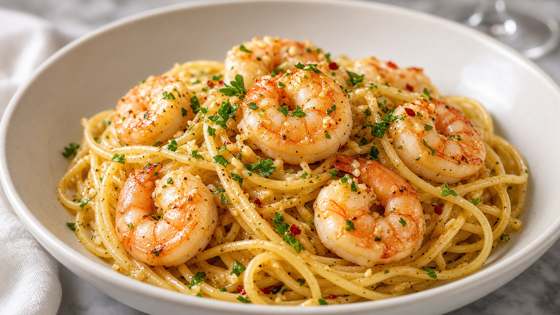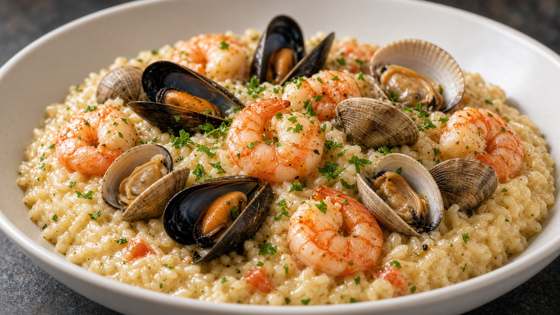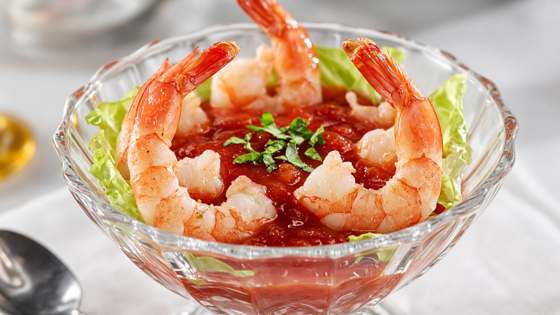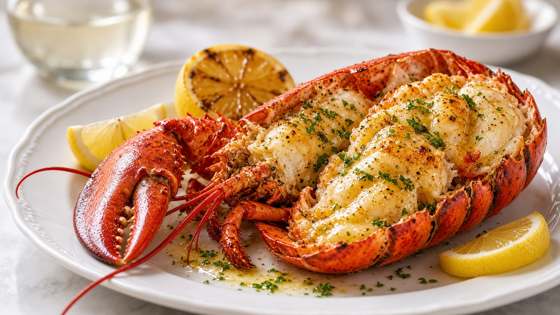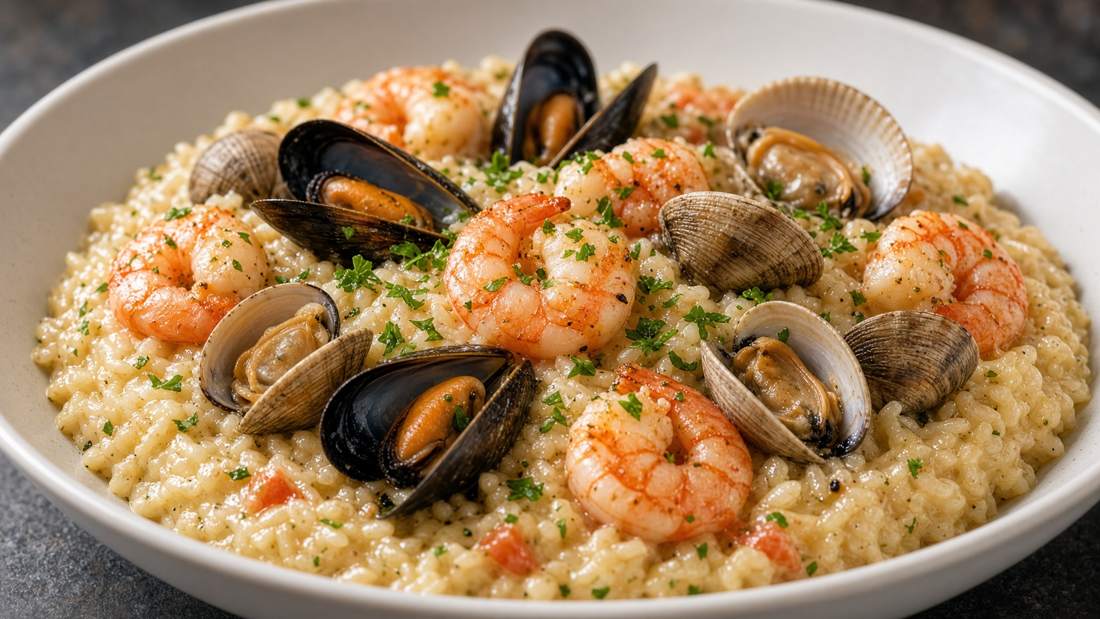
A good garlic butter shrimp recipe is mostly about restraint: hot pan, short cook, a lot of garlic and a squeeze of lemon at the end. The shrimp turn sweet and snappy, and the butter picks up their juices to make a sauce you will want to mop up with bread or rice. It suits a weeknight because the whole thing, from pan to plate, takes about 10 minutes once the shrimp are peeled.
Serves 4. Prep 10 minutes, cook 5 minutes. Difficulty: easy.
Ingredients
- 1 1/2 pounds (680 g) large raw shrimp (21 to 25 per pound), peeled and deveined, tails on or off
- 3 tablespoons (45 g) unsalted butter, divided
- 1 tablespoon (15 ml) olive oil
- 5 cloves garlic, minced
- 1/2 teaspoon kosher salt, plus more to taste
- 1/4 teaspoon black pepper
- 1/4 teaspoon red pepper flakes (optional)
- 2 tablespoons (30 ml) dry white wine or chicken broth
- Juice of 1/2 lemon and 2 tablespoons chopped parsley
Method for This Garlic Butter Shrimp Recipe
- Pat the shrimp very dry with paper towels. Wet shrimp steam instead of sear, which is the usual reason they turn out pale and watery. Toss them with the salt and pepper.
- Heat the oil and 1 tablespoon of butter in a large skillet over medium-high heat until the butter foam begins to subside.
- Add the shrimp in a single layer, working in two batches if they touch. Cook about 1 to 1 1/2 minutes without moving them, until the underside is pink and lightly golden.
- Flip and cook another 45 to 60 seconds. Shrimp are done when they are pink and opaque and curl into a loose C. A tight O means overcooked.
- Move the shrimp to a plate. Lower the heat to medium, add the remaining 2 tablespoons of butter, the garlic and pepper flakes, and stir for 30 seconds, just until fragrant. Browned garlic turns bitter.
- Pour in the wine and scrape up any browned bits. Simmer for 1 minute, return the shrimp with their juices, add the lemon juice and parsley, and toss to coat. Serve at once.
Buying the Right Shrimp
Most shrimp sold in the United States has been frozen at sea or at the plant, and that is fine for this dish. Look for bags with loose, separate shrimp and no heavy ice crystals, which suggest thawing and refreezing. Check the ingredient list: shrimp with only "shrimp" and maybe salt are easier to sear than those soaked in phosphates, which hold extra water. For help sorting wild from farmed and reading labels, the guide to handling and peeling shrimp covers the practical side, and the Seafood Watch ratings show which sources are better choices.
To thaw, leave frozen shrimp in the refrigerator overnight, or put them in a sealed bag under cold running water for 15 to 20 minutes. Do not thaw them on the counter. More detail is in the article on thawing seafood safely.
Swaps and Variations
Adjusting the garlic butter shrimp recipe
- No wine: use broth plus an extra squeeze of lemon.
- Dairy-free: replace the butter with olive oil and finish with a little extra lemon.
- Smaller shrimp (41 to 50 per pound) need only about 1 minute per side in total, so watch them closely.
- Shell-on shrimp add flavor but are messier; cook them 30 seconds longer per side.
- For more heat, add a teaspoon of smoked paprika with the garlic.
What to Serve With It
Steamed rice, crusty bread, buttered orzo or zucchini noodles all catch the sauce well. A crisp, dry white such as pinot grigio or sauvignon blanc works with the lemon and garlic. For a bigger plate, spoon the shrimp over linguine, which turns the dish into a quick cousin of shrimp scampi.
Storage and Reheating
Refrigerate leftovers within 2 hours in a shallow, covered container and eat them within 3 days. Reheat gently in a skillet over low heat for a minute or two, or microwave at 50 percent power in short bursts, until hot throughout. High heat will toughen them. Cooked shrimp can be frozen for about 2 months, though the texture is best fresh.
Troubleshooting
- Rubbery shrimp: they cooked too long. Pull them when just opaque; they continue to cook in the sauce.
- Watery sauce: the shrimp were wet or the pan was crowded. Dry them well and cook in batches.
- Bitter garlic: it browned too hard. Lower the heat before adding it.
- Gray, mushy shrimp with an ammonia smell: do not eat them. See the freshness signs guide.
Anyone with a shellfish allergy should skip this recipe, and the FDA advice about eating fish is a good starting point on seafood for pregnant people and children. Next time you want a fast garlic butter shrimp recipe, keep a bag of frozen shrimp and a head of garlic on hand and dinner is 10 minutes away.