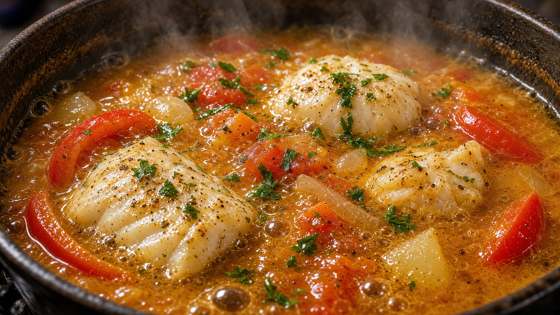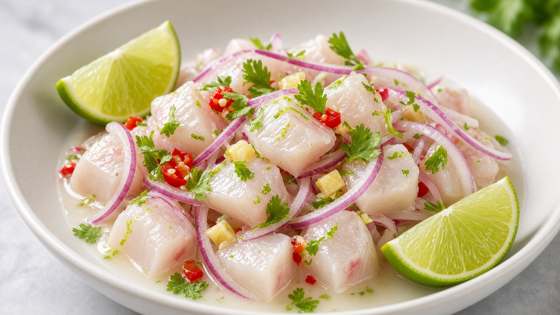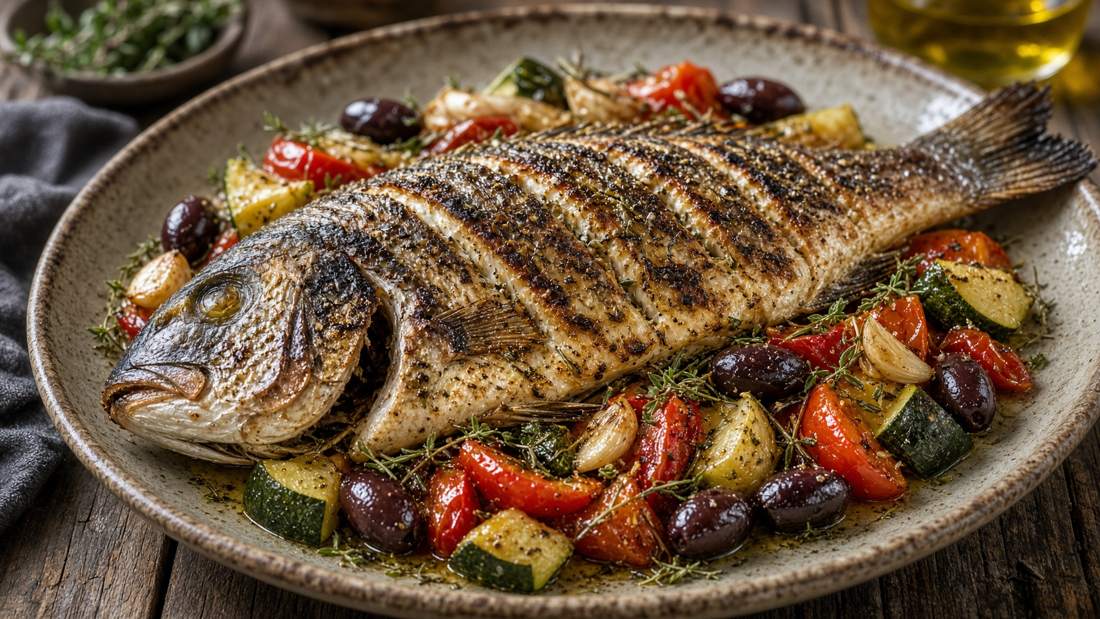
Fish stock from scratch is quick, cheap and a step up from any carton: about 40 minutes of gentle simmering turns bones and trimmings into a clear, delicate base for soups, chowders, risotto and sauces. Unlike meat stock, fish stock should never simmer for hours, because the flavor turns bitter and muddy.
Makes about 2 quarts (2 liters). Prep 10 minutes, simmer 25 to 30 minutes. Difficulty: easy.
Fish Stock from Scratch Ingredients
- 2 lb (900 g) bones, heads (gills removed) and trimmings from lean white fish such as cod, haddock, snapper, halibut or sole
- 1 tablespoon butter or oil
- 1 onion, 1 small leek (white part) and 1 celery stalk, all sliced
- 1/2 cup (120 ml) dry white wine (optional)
- 2.5 quarts (2.4 L) cold water
- Parsley stems, 1 bay leaf, 6 peppercorns, 2 strips lemon peel
Method
- Rinse the bones under cold water, removing blood and any gills, which make the stock bitter. Chop larger frames to fit the pot.
- Melt the butter in a large pot over medium heat. Sweat the vegetables 5 minutes without browning.
- Add the bones and wine, and cook 2 minutes. Pour in the cold water and bring slowly to a bare simmer.
- Skim the foam as it rises. Add parsley, bay, peppercorns and lemon peel.
- Simmer very gently for 20 to 30 minutes; do not boil and do not stir.
- Ladle through a fine strainer lined with damp cheesecloth. Do not press on the solids.
- Cool quickly by setting the pot in an ice bath, then refrigerate.
Which bones for fish stock from scratch
Choose lean, white, mild fish. Oily fish such as salmon, mackerel and bluefish give a strong, greasy stock. Your fishmonger will often give away frames and heads if you ask; just make sure they are fresh and smell sweet. See recognizing freshness in fish and fish waste to value and the circular economy. Shrimp shells make a quick, separate shellfish stock. FishWatch can guide you on sustainability, and the FDA advice about eating fish covers safe choices.
Storage and Uses
Refrigerate within 2 hours of cooking and use within 2 to 3 days. Freeze in 1-cup portions or ice-cube trays for up to 3 months. Use it for fish chowder, risotto, paella, bisques or poaching liquid. When reheating, bring it to a boil for a minute. Salt only when you use it, since the final dish may be seasoned later.
Troubleshooting
- Cloudy stock: it boiled or was stirred; keep it at a shiver.
- Bitter: gills, long cooking or oily fish.
- Weak flavor: more bones, or reduce it by a third.
- Too fishy: skip the heads and use fresher bones.
Why homemade stock is worth it
Store-bought broth often tastes salty and flat, and cartons rarely taste of fish. A homemade stock gives you control over salt, clarity and flavor, and uses parts of the fish that would otherwise be thrown away. If you buy whole fish or fillets regularly, saving the frames costs nothing. Freeze trimmings in a bag until you have about 2 pounds, then make a batch.
What to ask your fishmonger
Ask for fresh frames, heads and bones from white fish, with gills and guts removed. Many shops will bag these cheaply or for free, though availability varies. Fresh bones should smell clean and sweet, with no sour odor. Avoid anything slimy or discolored, and use the bones within a day or freeze them.
Technique notes that make the difference
- Cold water start: it draws flavor gradually and helps proteins rise as foam for skimming.
- Gentle heat: a few small bubbles, never a rolling boil, keeps the stock clear.
- Short time: 20 to 30 minutes is enough, since longer cooking pulls out bitter flavors from the bones.
- Light vegetables: skip carrots, which sweeten too much, and strongly flavored vegetables like cabbage or broccoli.
- Skip the salt: season the finished dish instead.
Shellfish and other variations
For a shellfish stock, use shrimp or lobster shells, sauteed briefly in oil with a spoonful of tomato paste before adding water, then simmered for about 20 minutes. Strain very well. A splash of white wine or a few fennel fronds add depth to fish stock. For an Asian-style stock, simmer with ginger, scallion and a little rice wine. Mixing different fish bones is fine as long as they are lean; one oily fish can overpower the pot.
Using the stock
- Use it as the base for fish soup or chowder.
- Cook rice or risotto in it for a seafood dish with real depth.
- Poach fillets in a shallow pan of stock and then reduce the liquid into a sauce.
- Thin pan sauces or deglaze after searing fish.
- Freeze a portion as a ready start for paella or bouillabaisse-style stews.
Food safety with stock
Cool the stock fast, since a big hot pot in the refrigerator cools slowly. Divide it into shallow containers or use an ice bath. Label with the date. When you reheat, bring it to a rolling boil, and discard stock that smells off. For current food storage guidance, check FDA and USDA recommendations. If you are pregnant or serving vulnerable people, use fish choices recommended in the FDA advice linked above.
A bag of bones is all it takes to start fish stock from scratch, so ask at the counter next time you buy fillets.