Halibut Nutrition Facts
Halibut is a delicious and nutritious fish that’s popular all around the world. Not only is it low in calories and fat, but it’s also packed with essential vitamins, minerals, and omega-3 fatty acids that can help keep your body healthy and strong. In this post, we’ll explore all the nutritional benefits of halibut and why you should consider adding it to your diet.
Halibut Nutrition Facts
A 3-ounce serving of halibut contains:
- Calories: 94
- Protein: 20.8 grams
- Fat: 1.2 grams
- Omega-3 Fatty Acids: 500–700 milligrams
- Vitamin B12: 30% of the Daily Value (DV)
- Vitamin D: 20% of the DV
- Niacin: 20% of the DV
- Phosphorus: 15% of the DV
- Selenium: 50% of the DV
Halibut is also a good source of other important nutrients, such as potassium, magnesium, and vitamin B6.
Health Benefits of Halibut
-
Heart Health: The omega-3 fatty acids found in halibut can help reduce inflammation, lower blood pressure, and decrease the risk of heart disease.
-
Brain Health: Omega-3s are also essential for brain health and can improve cognitive function, memory, and mood.
-
Bone Health: Halibut is an excellent source of vitamin D, which is important for bone health and can help prevent conditions like osteoporosis.
-
Weight Management: With only 94 calories per serving, halibut is a great choice for those looking to manage their weight while still getting plenty of protein and other nutrients.
FAQs
Q: How do you cook halibut?
Halibut can be cooked in a variety of ways, including grilling, baking, broiling, and sautéing. Check out our halibut recipe page for some delicious and healthy ideas.
Q: Is halibut safe to eat during pregnancy?
Yes, halibut is safe to eat during pregnancy. However, pregnant women should limit their intake of certain types of fish, such as swordfish, shark, and king mackerel, due to their high mercury content.
Q: Where can I buy halibut?
You can buy fresh wild-caught halibut directly from Global Seafoods, shipped to your door.
Conclusion
Halibut is one of the most nutritious fish you can eat — high in protein, rich in omega-3s, and low in calories. Whether you’re focused on heart health, brain function, or simply eating well, halibut deserves a regular place on your plate. Ready to try it? Shop our wild-caught halibut collection and get it delivered fresh to your door.
Also in News

Crab vs. Lobster: Which is Healthier?
Crab and lobster are both nutritious, low-calorie seafood options — but they differ in key nutrients. This side-by-side comparison breaks down calories, protein, omega-3s, and vitamins to help you choose the right one for your health goals.

The Health Benefits of Ikura: What You Need to Know
Ikura (salmon roe) is one of the most nutrient-dense foods in the ocean — packed with omega-3 fatty acids, vitamin B12, vitamin D, and selenium. Here’s everything you need to know about its health benefits, nutritional profile, and how to enjoy it.
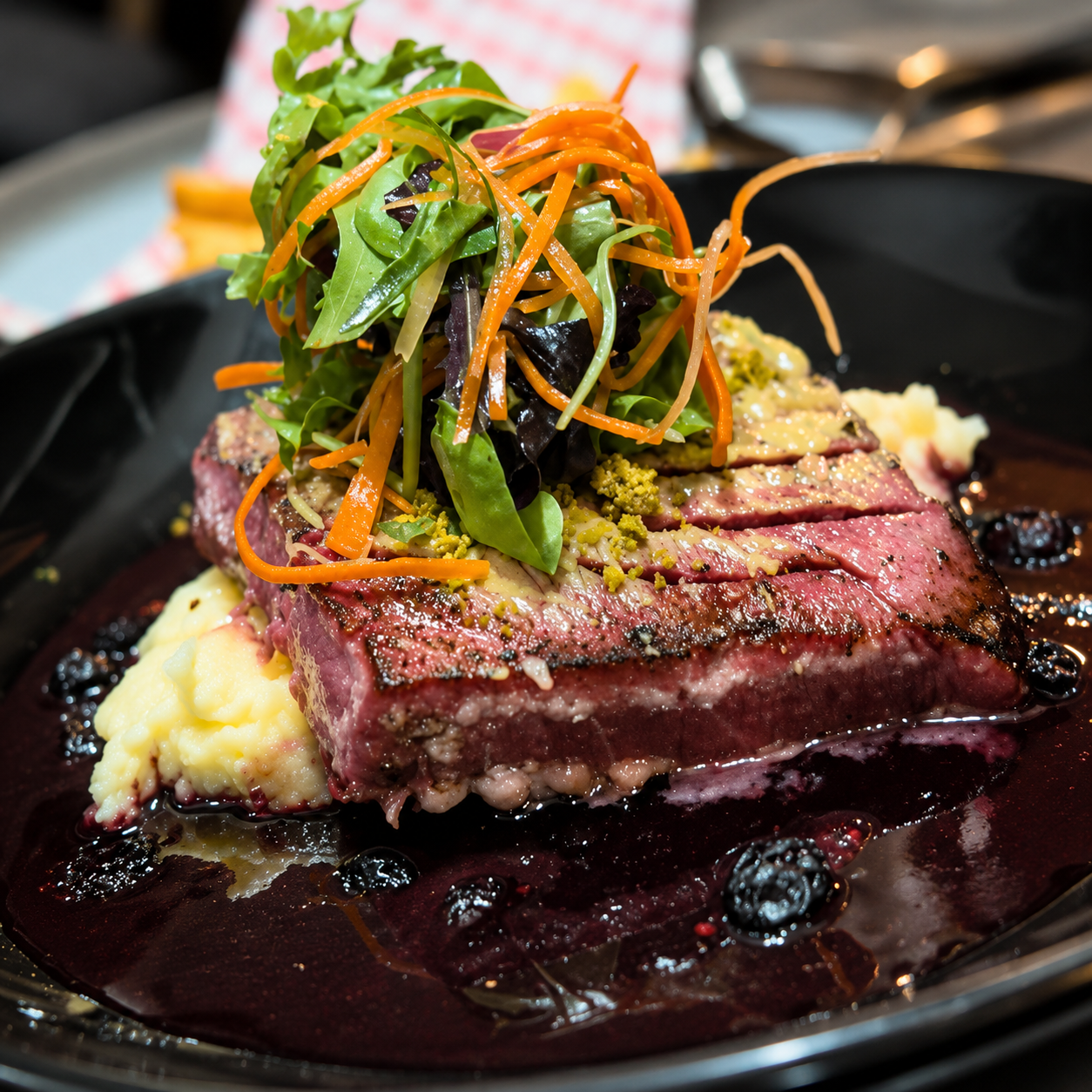
Tuna Medallions in Nuevo Vallarta | Chef Secrets Revealed
Discover the chef secrets behind perfectly seared tuna medallions inspired by Nuevo Vallarta coastal restaurants. This elegant seafood recipe combines sushi-grade tuna with creamy mashed potatoes, blueberry reduction sauce, crushed pistachios, and fresh mixed greens for a restaurant-style presentation packed with flavor and texture.
Go to Source
Author: Oleg Nikitenko

ScrewTheNews.com
ScrewTheNews.com
2000 Avenue of the Stars
Los Angeles, CA 90067
(214) 875-1305