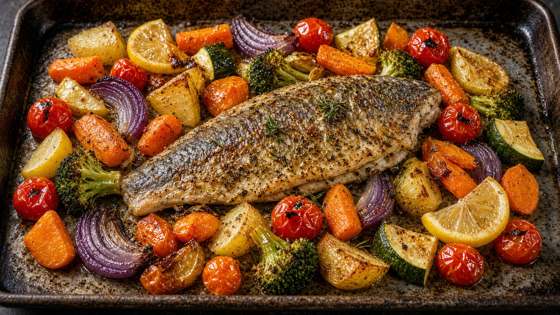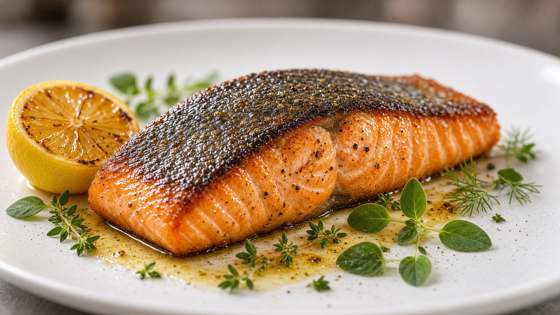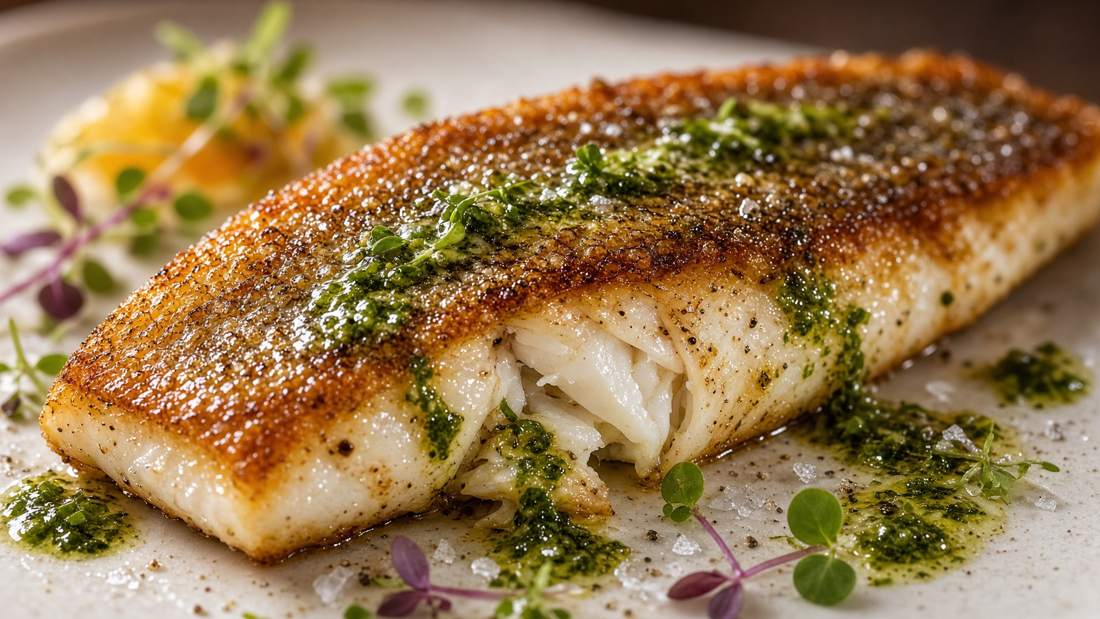
The key to a Mediterranean salmon sheet pan dinner is timing: potatoes need a head start, zucchini and tomatoes need less, and salmon needs only about ten minutes. Add the parts in stages and everything finishes together on one pan.
Serves 4. Prep 15 minutes, cook 30 to 35 minutes, difficulty easy. Use a large rimmed sheet pan, or two if it looks crowded.
Ingredients
- 4 salmon fillets, 5 to 6 oz (150 to 170 g) each
- 1 1/2 pounds (680 g) baby potatoes, halved
- 2 zucchini, cut into half-moons
- 1 cup (150 g) cherry tomatoes
- 1/2 cup (75 g) olives
- 1/3 cup (80 ml) olive oil
- 3 garlic cloves, minced
- 1 tablespoon lemon zest and juice of 1 lemon
- 2 teaspoons dried oregano
- Salt, pepper, parsley and crumbled feta (optional)
Mediterranean salmon sheet pan dinner method
- Heat the oven to 425 F (220 C). Mix the oil, garlic, zest, lemon juice and oregano in a bowl.
- Toss the potatoes with a third of the mixture, salt and pepper. Spread them cut side down and roast 15 minutes.
- Toss zucchini and tomatoes with another third. Push the potatoes aside, add the vegetables and roast 8 minutes.
- Pat the salmon dry, season and brush with the last of the mixture. Place on the pan with olives.
- Roast 9 to 12 minutes more, until the salmon reads 145 F (63 C) and flakes at the thickest point.
- Finish with parsley, feta and extra lemon.
Salmon choices and prep
Fillets of even thickness cook at the same pace; ask for center-cut. Remove any pin bones. Wild and farmed salmon differ in fat and price; compare with FishWatch and Seafood Watch. See how to choose fish at the market for shopping tips.
Variations on the Mediterranean salmon sheet pan dinner
- Swap the potatoes for chickpeas or cubed sweet potato.
- Add red onion wedges, bell pepper or asparagus.
- Use cod or halibut and cut the time slightly.
- Dairy-free: omit the feta.
Serving and pairing
Serve with a squeeze of lemon and a spoonful of yogurt-garlic sauce. A rose or a light Pinot Noir works well.
Storage
Cool within 2 hours, refrigerate in a covered container, and eat within 3 days. Reheat gently at 275 F (135 C), or flake the salmon over salad. Our guide to meal prep with seafood has other ideas.
Troubleshooting
- Potatoes undercooked: cut smaller or roast longer before adding the fish.
- Pan steams instead of roasts: use two pans.
- Salmon overcooked: check early and rest it.
- Bland: finish with salt, lemon and herbs.
Step-by-step tips for better results
Choosing the pan and oven setup
A heavy, rimmed aluminum half-sheet pan browns vegetables best. Dark pans brown faster than light ones, so watch the potatoes. Line the pan with parchment for easy cleanup, but skip it if you want the potatoes to crisp, since oiled metal gives a better crust. Use the middle rack and avoid crowding: vegetables touching are steamed, and spaced vegetables roast.
Getting the timing right for different fillet thicknesses
The 9 to 12 minute window assumes fillets about 1 inch (2.5 cm) thick. Thin tail pieces may be done in 6 to 8 minutes, so add them last or tuck them into foil. Thick center-cut pieces may need a little longer. The most reliable method is an instant-read thermometer inserted into the thickest part; 145 F (63 C) is the figure given in FDA guidance. If you prefer salmon a little softer, many cooks pull it a few degrees earlier and let carryover heat finish it, but follow the FDA guidance if you are cooking for children, older adults, pregnant people or anyone with a weak immune system.
Make-ahead and meal planning
- Mix the lemon-herb oil up to two days ahead and keep it in the refrigerator, then bring it to room temperature.
- Cut the potatoes and zucchini in the morning and keep them in covered containers in the refrigerator. Dry them well before oiling.
- Season the salmon only 15 to 20 minutes before cooking.
- Make a yogurt sauce with garlic, lemon and dill while the pan roasts.
Cost and shopping notes
Salmon is the main expense. Frozen individually wrapped fillets are often cheaper than fresh and perfectly good when thawed overnight in the refrigerator and patted very dry. Skin-on fillets usually cost a little less and help hold the fish together. Buy potatoes, zucchini and tomatoes in season for the best flavor, and use jarred olives to save time. For four servings, expect the most cost-effective version to be one large side of salmon cut into portions rather than individually cut fillets.
Serving it as a meal-prep lunch
Pack a portion of potatoes and vegetables with flaked salmon and a spoonful of sauce. Eat it cold over greens, or warm it gently in a microwave at reduced power so the salmon does not turn dry. Keep it refrigerated until lunch and use within the three-day window given above.
Questions cooks ask
- Can I use frozen vegetables? They release water and will not brown well, so fresh is better for this pan.
- Do I need to remove the skin? No. Roast skin side down; it peels away easily after cooking if you do not want to eat it.
- Is the white liquid on the salmon harmful? No. It is protein that sets on the surface, and a gentler oven or shorter time reduces it.
With staggered timing and a bright lemon-herb dressing, the Mediterranean salmon sheet pan dinner makes the case for roasting everything together. Check the EPA guidance on choosing fish and shellfish wisely when planning your weekly fish meals.